




Stationery Scissors OEM: Sourcing Practical Desk and School Scissors
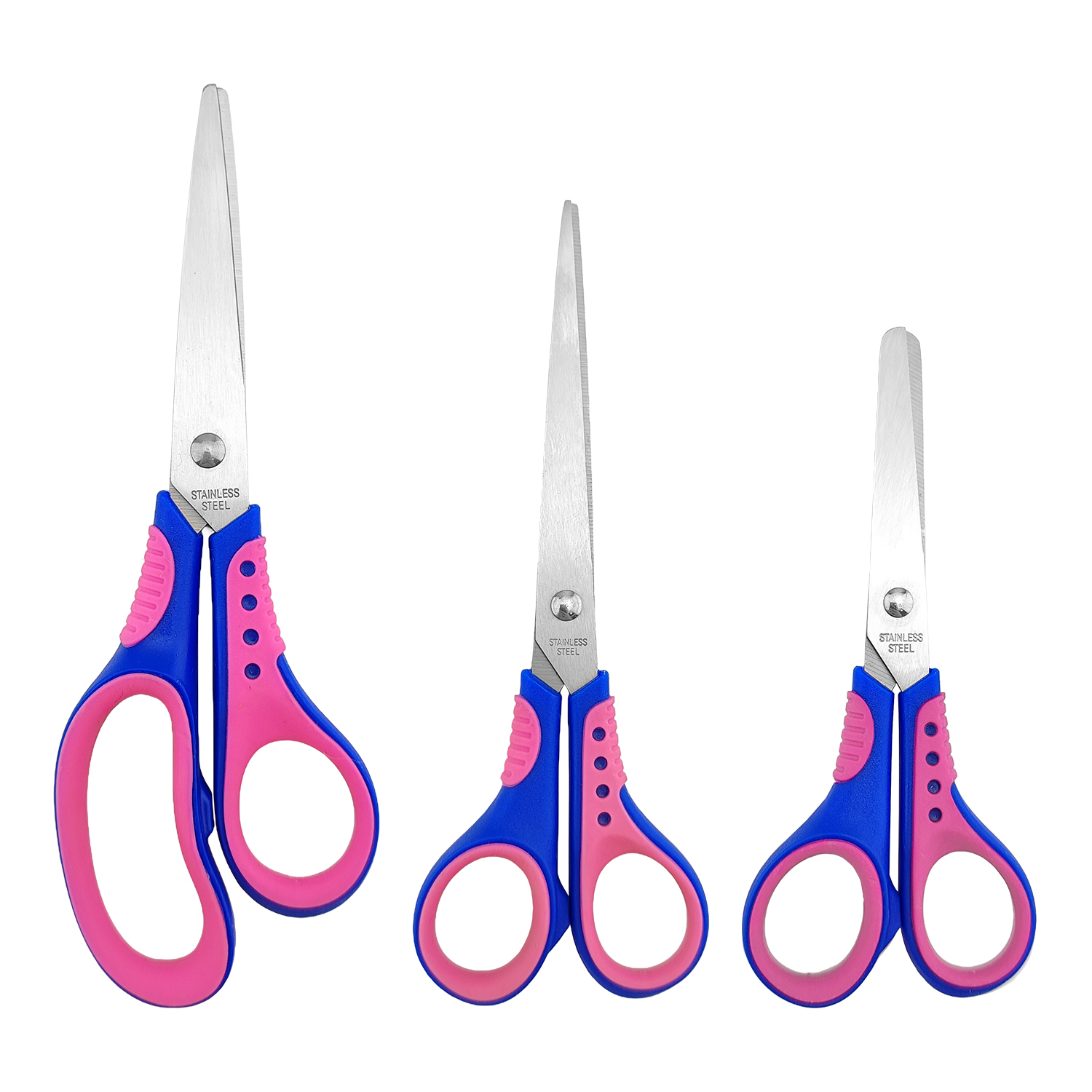
Stationery scissors look simple, but for retailers, distributors, school-supply brands, and promotional product buyers, they require careful sourcing. A stationery scissors OEM project may involve blade shape, handle comfort, color matching, packaging, safety expectations, and consistent production quality. The best result is not only a good-looking product, but a practical tool that fits the intended user and sales channel.
This guide explains how to approach a stationery scissors factory or manufacturer with clearer requirements. It focuses on buyer questions, supplier evaluation, and product decisions rather than broad claims. If commercial details such as MOQ, lead time, testing, or certifications matter to your market, they should be confirmed directly with the supplier before purchase.
Key Takeaways
- Define the user first: office staff, students, children, crafters, or gift buyers may need different scissor designs.
- Ask the stationery scissors manufacturer which customization options are available before finalizing artwork or packaging.
- Check samples for cutting feel, handle comfort, alignment, surface finish, and packaging durability.
- Do not assume compliance, material grade, MOQ, or testing results; request written confirmation for your target market.
What Stationery Scissors OEM Usually Means
OEM, or Original Equipment Manufacturing, generally means a factory produces goods for another company’s brand or sales channel. In stationery scissors, this can include standard models with private-label packaging, customized handle colors, printed logos, or more involved design adjustments. The scope depends on the manufacturer’s production capability and willingness to support customization.
The original article notes that stationery scissors OEMs can create specialized scissors for different consumer needs and that factories may produce traditional models as well as children’s stationery scissors and plastic stationery scissors. These product directions are useful starting points, but buyers should still specify the intended use. A pair of scissors for a desk drawer is not the same sourcing brief as a pair for school kits, craft sets, or promotional bundles.
Choosing the Right Product Type
Before discussing price or production timing, clarify the product category. Stationery scissors can vary in size, handle design, blade form, user age group, and packaging format. A buyer serving office-supply stores may prioritize clean design and everyday durability. A school-supply buyer may focus on child-friendly handling, clear labeling, and packaging that explains appropriate use.
Useful product-selection questions include:
- Who will use the scissors: adults, children, students, office workers, or hobby users?
- Will the product be sold individually, in multipacks, or as part of a stationery set?
- Is the target channel retail, wholesale, online, promotional, or institutional purchasing?
- Are handle colors, logo printing, card packaging, or custom barcodes required?
- Does the destination market require specific safety, labeling, or documentation checks?
How to Evaluate a Stationery Scissors Factory
A stationery scissors factory is responsible for turning materials and components into finished tools. The original article mentions machinery, skilled workers, design, production, and packaging as part of the manufacturing process. For buyers, the practical task is to verify how the factory manages each step and how it controls variation between samples and bulk goods.
Ask whether the supplier can explain its process for sample approval, pre-production confirmation, in-line checking, and final inspection. It is also reasonable to ask how defects are categorized, how color consistency is managed, and how packaging damage is prevented during carton loading. If you require third-party inspection, confirm whether the factory can cooperate with your inspection agency.
Comparison Checklist for Supplier Shortlisting
The table below can help buyers compare different stationery scissors OEM suppliers without relying only on unit price.
| Evaluation Area | What to Check | Questions to Ask |
|---|---|---|
| Product fit | Model range, handle options, children’s or plastic stationery scissors availability | Which existing models are closest to our target product? |
| Customization | Color, logo, packaging, labeling, and possible design changes | What can be customized, and what requires new tooling? |
| Quality control | Cutting performance, blade alignment, handle finish, opening and closing feel | What checks are performed before shipment? |
| Documentation | Product details, packaging information, test reports if applicable | Which documents can you provide for our market? |
| Commercial terms | MOQ, lead time, payment terms, sample cost, packing method | Please confirm these details in writing before order placement. |
Sample Review: Details Buyers Should Not Skip
Samples are more than visual references. They are a chance to judge whether the stationery scissors manufacturer understands your intended user. Open and close the scissors repeatedly to feel whether the movement is smooth. Cut common materials for the product’s purpose, such as paper, light card, or packaging inserts. Inspect whether the blades meet evenly and whether the handles have rough edges or visible defects.
For children’s stationery scissors, avoid vague assumptions. Ask the supplier which safety features are included, what age group the product is intended for, and what labeling is recommended. For plastic stationery scissors, confirm the expected use case and limitations. If your market has mandatory rules, request the relevant test information instead of relying on general descriptions.
Packaging, Branding, and Retail Readiness
Packaging can affect both sales presentation and logistics. A low-cost package that bends, tears, or hides important information may create problems in retail or e-commerce. Discuss packaging structure early: blister card, paper card, polybag, display box, multipack, or customized set packaging may each involve different artwork and cost considerations.
Private-label buyers should prepare logo files, color references, barcode requirements, warning text if needed, and destination-language labeling. If the scissors will be sold online, ask for product dimensions, package dimensions, and carton packing details after they are confirmed by the supplier. Do not invent these values for listings before the manufacturer provides verified data.
Working With a Manufacturer on OEM Development
A good OEM discussion should be specific. Instead of asking for “high-quality stylish scissors,” provide a target user, price position, expected channel, preferred colors, packaging idea, and any required documentation. This helps the manufacturer suggest realistic options and identify where customization may affect cost or production timing.
It is also useful to separate essential requirements from preferences. For example, essential requirements may include suitable cutting performance, safe packaging, and clear labeling. Preferences may include special colors, a gift-oriented presentation, or a particular handle shape. This distinction helps avoid delays when a preferred feature is difficult to produce or not necessary for the first order.
Practical FAQ
What should I prepare before contacting a stationery scissors OEM supplier?
Prepare your target user, order purpose, preferred product type, branding needs, packaging format, destination market, and any compliance or documentation requirements. A clear brief helps the supplier respond with relevant options.
Can a factory make children’s stationery scissors?
The original article states that factories may produce children’s stationery scissors. Buyers should still ask about intended age range, safety design, labeling, and any required testing for the destination market.
What should I check in a sample?
Check cutting performance, blade alignment, handle comfort, surface finish, opening and closing movement, logo placement if customized, and packaging strength. Compare the sample against your written specification.
Should I choose the lowest-priced supplier?
Price matters, but it should be compared with product consistency, communication, packaging quality, documentation support, and inspection cooperation. A cheaper quote may not be better if it creates returns or shipment issues.
What commercial details should be confirmed before ordering?
Ask the supplier to confirm MOQ, sample policy, production lead time, payment terms, packaging method, carton details, inspection arrangements, and any available product documentation in writing.
Stationery scissors OEM sourcing works best when buyers define the product clearly and verify supplier capabilities step by step. By combining sample testing, practical factory questions, and careful packaging planning, brands can build stationery scissors programs that are easier to purchase, inspect, and sell.
