




Stationery Scissors Supplier: Precision & Custom Solutions
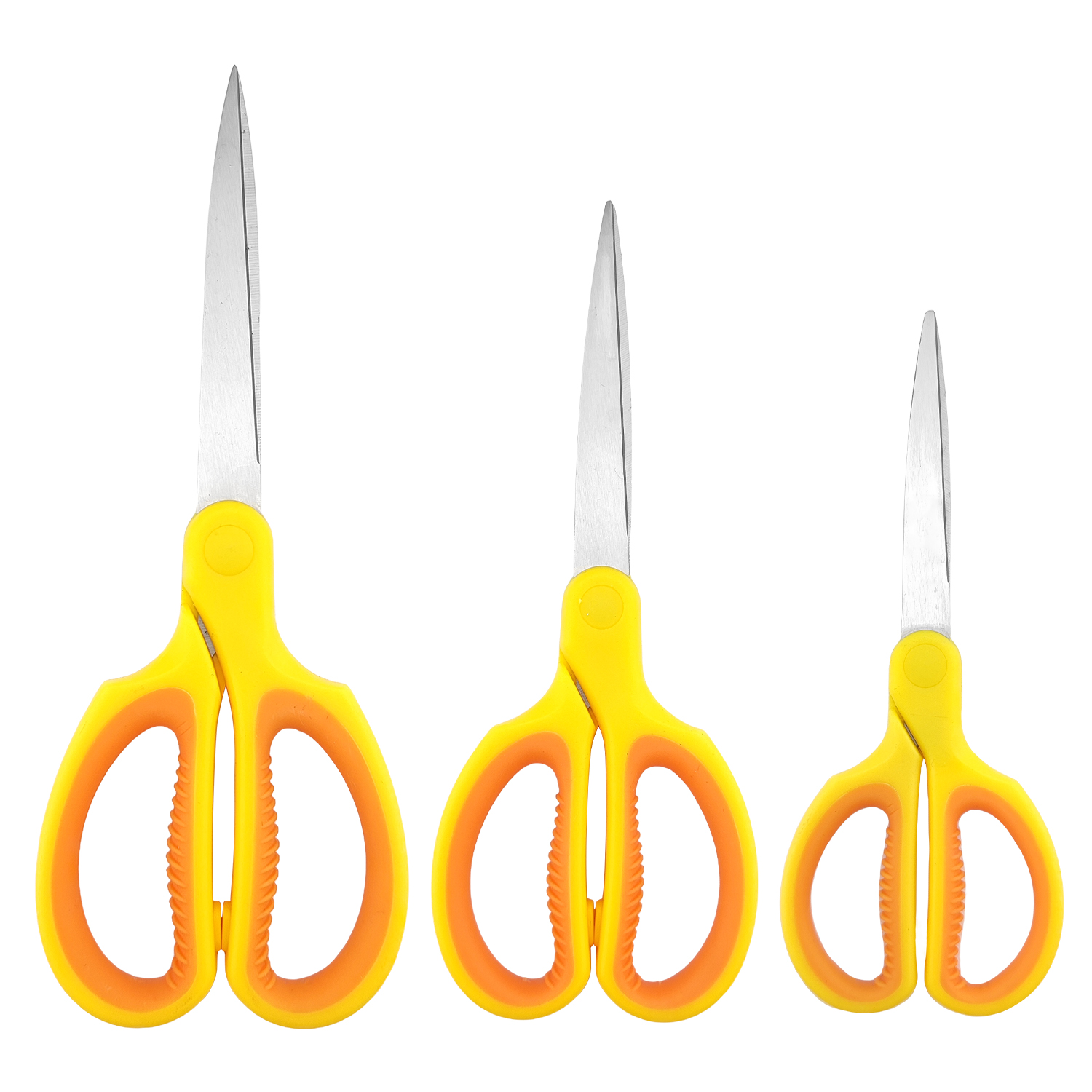
Choosing a stationery scissors supplier is not only about finding a low unit cost. For wholesalers, brand owners, school supply distributors, office product importers, and promotional product buyers, the real task is to identify a reliable source that can support consistent cutting performance, suitable packaging, brand presentation, and repeatable quality. Stationery scissors are simple products on the surface, but small differences in blade finish, handle comfort, pivot tightness, packaging protection, and inspection discipline can strongly affect customer satisfaction.
The original product focus is clear: stationery scissors for office, school, craft, and general cutting use, with OEM and custom options available. This guide expands that topic into a practical B2B sourcing framework. It explains what to compare, which questions to ask, and how to reduce risk before confirming a wholesale or OEM order.
Key Takeaways
- A good stationery scissors supplier should be evaluated on product consistency, customization support, packaging quality, communication, and inspection process.
- OEM stationery scissors projects require clear decisions on handle color, logo placement, packaging format, target user, and market positioning.
- Buyers should request samples and ask specific questions before confirming bulk production, especially for school, office, and craft channels.
- Do not rely only on photos. Check cutting feel, blade alignment, pivot stability, handle comfort, and packaging durability in real use.
What Buyers Should Expect From a Stationery Scissors Supplier
A capable stationery scissors supplier should help buyers match the right product to the sales channel. Office scissors may prioritize smooth cutting, comfortable handling, and professional packaging. School scissors may require careful attention to user age, grip comfort, and retail presentation. Craft scissors may need better control for paper, card, or light creative materials. For wholesale and OEM orders, the supplier should be able to explain which existing models are suitable and which design details can be customized.
Because commercial details vary by project, buyers should avoid assuming specifications that have not been confirmed. Instead of asking only for a price list, prepare a structured request. Include the target market, estimated order volume, preferred packaging, logo requirements, expected delivery schedule, and any regulatory or retailer requirements that apply in your market. If certifications, tests, or compliance documents are required, ask the supplier directly what can be provided and whether third-party testing is available for the specific product and order.
OEM and Custom Stationery Scissors: What Can Be Discussed
OEM stationery scissors sourcing usually involves adapting an existing product to suit a buyer's brand. Common discussion points include handle color, printed or labeled logo, packaging design, barcode placement, carton marks, assortment planning, and display format. Some buyers may want a coordinated office supply range, while others may need a school-season item with retail-ready packaging.
Customization should be approached carefully. A new color or package may be simple, while changes to the handle shape, blade size, or construction may affect tooling, sampling time, unit cost, and lead time. Buyers should ask whether the requested customization uses an existing mold or requires new development. They should also ask how pre-production samples are approved and how color, logo, and packaging proofs are controlled before mass production.
Product Selection for Office, School, and Craft Channels
Stationery scissors are used in many environments, so selection should start with the end user. Office buyers often need general-purpose scissors for paper, envelopes, labels, and light packaging. School supply buyers may need products suitable for classroom use and student handling. Craft and hobby buyers may care more about cutting control, grip comfort, and packaging that communicates use cases clearly.
- Define the primary user: adult office worker, teacher, student, crafter, or general household user.
- Confirm the main cutting material: paper, card, labels, light plastic packaging, or mixed stationery use.
- Check whether the handle size and grip style fit the intended user group.
- Review packaging needs for retail shelves, e-commerce shipping, wholesale cartons, or promotional kits.
- Request samples from the same model family that will be used for the final order.
Supplier Comparison Checklist
The table below can help purchasing teams compare stationery scissors suppliers in a consistent way. It is especially useful when reviewing several quotations that appear similar at first glance.
| Evaluation Area | What to Check | Questions to Ask |
|---|---|---|
| Product quality | Cutting smoothness, blade alignment, handle comfort, pivot stability | Can samples be tested before order confirmation? |
| OEM support | Logo, color, packaging, barcode, carton mark options | Which custom options use existing tooling? |
| Packaging | Retail display, shipping protection, label accuracy | Can packaging artwork be approved before production? |
| Inspection | Incoming material checks, in-process checks, final inspection | What inspection steps are used for this product? |
| Commercial terms | MOQ, lead time, payment terms, sample cost, freight method | What details must be confirmed before quotation? |
| Documentation | Compliance files, test reports, product photos, packing data | Which documents are available for the target market? |
Quality Checks Before Placing a Wholesale Order
For scissors, visual appearance is only one part of quality. Buyers should test actual use. Cut several sheets of paper from the base of the blade to the tip. Feel whether the scissors open and close smoothly without excessive looseness. Check whether the handles are comfortable during repeated use. Inspect the edges, rivet or screw area, blade finish, and packaging condition after shipping.
If the order is for a retail brand, keep approved samples as the control standard. Share written acceptance criteria with the supplier. This may include approved color, logo position, packaging layout, carton quantity, and general workmanship expectations. For larger programs, ask whether a pre-shipment inspection can be arranged and what sample size or inspection standard will be used.
How to Prepare a Better RFQ
A clear RFQ helps a stationery cutting tools supplier respond accurately. Vague requests such as "send best price" often lead to incomplete quotations. Instead, provide the buyer profile and project details. Mention whether the scissors are for office wholesale, school supply distribution, online retail, supermarket shelves, or promotional use. Include expected quantity, target packing style, delivery destination, and any deadline.
Ask for item photos, available sizes or models, packing information, sample availability, customization options, estimated production time, and shipping carton details. If your company requires specific documents or testing for a market, state that early. This avoids delays after price negotiation and helps both sides understand whether the product fits the project.
Practical FAQ
Can stationery scissors be customized with a private label?
Private label options may include logo application, packaging design, color selection, and carton marks, depending on the supplier's available models and production process. Buyers should ask which options are available for the exact item being quoted.
What should I test in a scissors sample?
Test cutting performance, opening and closing feel, blade alignment, handle comfort, packaging strength, and appearance consistency. Use the same type of material your customers are likely to cut.
Are school scissors and office scissors the same?
Not always. Office scissors usually focus on general desk use, while school scissors may need different size, grip, and user-suitability considerations. Buyers should define the intended age group and market requirements before ordering.
What information is needed for an OEM quotation?
Provide model preference, quantity, logo requirements, packaging style, target market, delivery destination, and any documentation needs. If you have artwork or brand guidelines, share them during the quotation stage.
How can buyers reduce risk in bulk orders?
Request samples, approve packaging proofs, confirm written specifications, keep reference samples, and discuss inspection arrangements before production. Clear communication is usually the best way to avoid misunderstandings.
Final Sourcing Advice
A stationery scissors supplier should be judged by more than product photos and quoted price. For B2B buyers, the best sourcing decision comes from matching the product to the end user, confirming OEM details in writing, testing samples, and asking direct questions about inspection, packaging, and documentation. With a clear RFQ and a disciplined approval process, buyers can build a more reliable stationery scissors program for office, school, craft, or wholesale channels.
