




Stop Ruining Your Fabric: 5 Scissors Maintenance Secrets
Good fabric scissors can make cutting feel controlled and accurate. Poorly maintained scissors do the opposite: they drag, chew threads, leave jagged edges, and make even simple sewing preparation frustrating. The most common cause is not mysterious. Many pairs are damaged by everyday habits such as cutting paper, storing them loose in a drawer, or letting residue build up around the pivot.
This guide explains five practical maintenance habits for fabric scissors, based on the original advice: use them only on fabric, clean them regularly, oil the pivot, sharpen them correctly, and store them safely. Whether you sew at home, run a small alteration service, or prepare fabric samples for product development, these steps help you get cleaner cuts and longer tool life.
Key Takeaways
- Reserve fabric scissors for fabric only; paper, tape, tags, cardboard, and plastic can dull or nick the blade edge.
- Clean blades after several projects, especially after cutting fusible materials, glue-backed fabric, or lint-heavy textiles.
- A single drop of suitable oil at the pivot can reduce friction and stiffness.
- Sharpen only when needed, and avoid aggressive pull-through sharpeners on good sewing shears.
- Store scissors dry, protected, and away from other tools that may chip the blades.
1. Keep Fabric Scissors for Fabric Only
The fastest way to shorten the useful life of fabric scissors is to use them as general household scissors. Paper may look harmless, but it is abrasive enough to dull a fine cutting edge. Cardboard, tape, hang tags, plastic packaging, and craft foam can also create small nicks. Once the blades are no longer smooth, they may push fabric instead of slicing it, especially on lightweight cotton, silk, lining, or knit fabric.
A simple system works best: label your fabric scissors clearly and keep a separate pair for paper patterns, shipping labels, and packaging. If several people use the same workspace, add a tag that says “fabric only” or store the shears with your sewing tools rather than in a shared drawer. For studios or classrooms, color-coding can prevent accidental misuse.
2. Clean Blades Before Residue Becomes a Problem
Fabric dust, lint, thread fibers, hand oils, adhesive from fusible interfacing, and glue residue can collect along the blades. This buildup changes how the blades slide against each other and can make the cut feel sticky. If moisture is trapped on the metal, corrosion can also become a risk.
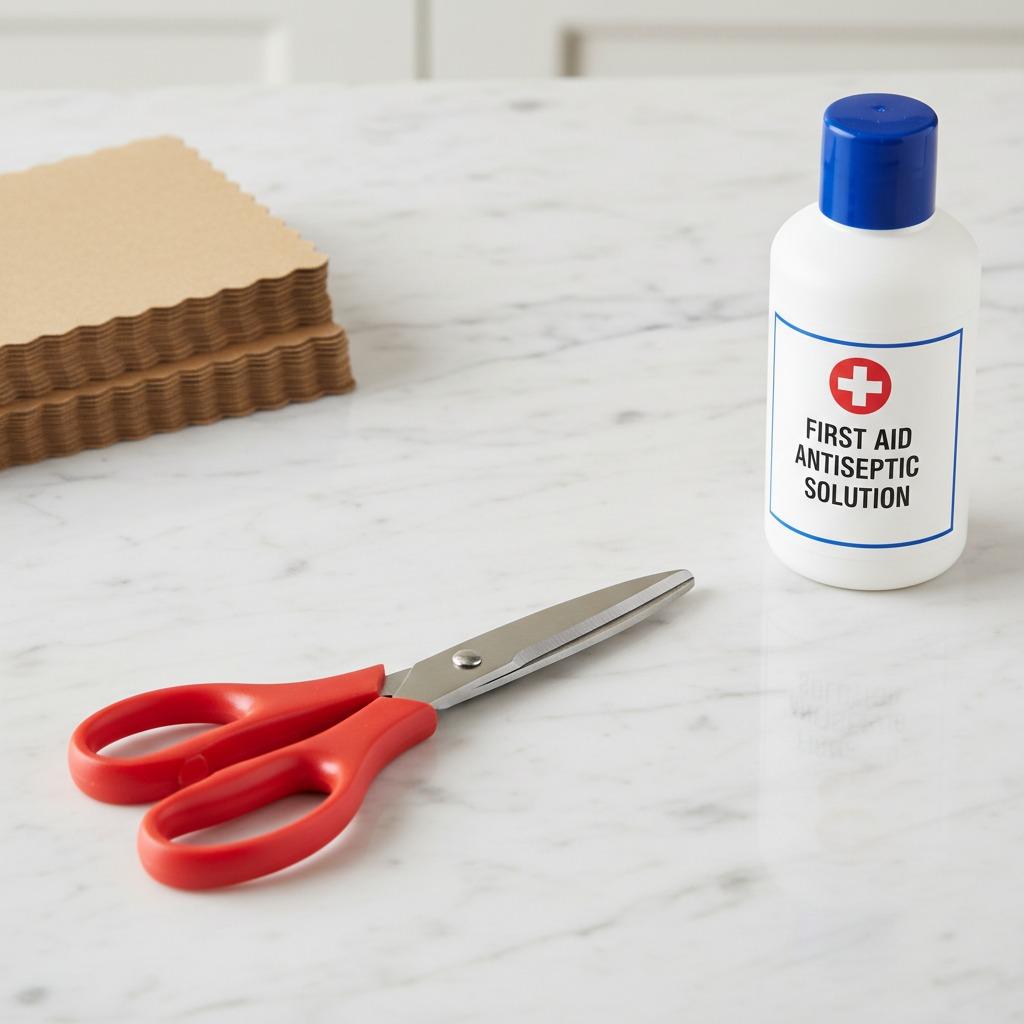
After every few projects, wipe the blades with a soft cloth. For sticky residue, use a cloth slightly dampened with rubbing alcohol or mild soapy water. Clean carefully along the blade faces, not toward your fingers. Dry the scissors immediately afterward. Avoid soaking the entire tool, especially if the handles include materials that may not tolerate water. If you are unsure how a specific handle material should be cleaned, ask the supplier or check the care instructions.
3. Oil the Pivot to Keep the Action Smooth
The pivot screw or joint is where friction concentrates. When dust and dryness build up there, scissors can feel tight, uneven, or squeaky. Uneven tension also affects cutting performance because the two blades need to meet consistently from heel to tip.
Open the scissors wide and place one small drop of sewing machine oil, mineral oil, or clipper oil at the pivot point. Open and close the blades 20 to 30 times to distribute the oil. Then wipe away any excess so it does not transfer to fabric. Do not over-oil; more oil attracts more dust. If the pivot has an adjustable screw, make small changes only. Too tight can cause fatigue and blade wear, while too loose can make fabric fold between the blades.
4. Sharpen at the Right Time and in the Right Way
Fabric scissors do not need constant sharpening. In fact, unnecessary or poor sharpening can remove too much metal or change the blade angle. The signs of dullness are easy to spot: the scissors drag through fabric, fail near the tip, leave ragged edges, or require extra hand pressure. A useful test is to cut a single layer of lightweight fabric, such as silk-like lining or a fine knit scrap. If the blades glide without snagging, sharpening may not be needed yet.
When sharpening is needed, use a method appropriate for sewing shears. A professional sharpening service is often the safest choice for higher-value scissors. If you use a sharpening stone, follow the existing bevel rather than inventing a new angle. The original article suggested about a 30-degree angle and 10 to 15 passes per side as a general DIY approach, but the correct angle can vary by scissor design. Avoid cheap pull-through sharpeners on good shears because they may grind unevenly or damage the edge.
5. Store Scissors So the Blades Stay Aligned
Many scissors are damaged between projects, not during cutting. A fall onto a hard floor can bend tips or knock the blades out of alignment. A drawer full of rulers, rotary cutters, pins, and metal tools can chip the cutting edge. Moisture can also encourage rust or staining.
Store fabric scissors in a sheath, case, pouch, or dedicated tray. If you hang them, make sure they cannot swing against hard surfaces. Keep them in a dry place and wipe them before storage if your hands are damp or oily. For travel, use a blade cover so the tips do not pierce the bag and the blades do not rub against other items.
Fabric Scissors Care Checklist
| Maintenance habit | Why it matters | Practical way to do it |
|---|---|---|
| Use only on fabric | Prevents dulling and blade nicks from abrasive materials | Keep separate scissors for paper, cardboard, tags, and plastic |
| Clean regularly | Removes lint, oils, adhesive, and residue that affect cutting | Wipe with a soft cloth; use rubbing alcohol or mild soapy water when needed; dry immediately |
| Oil the pivot | Reduces friction, stiffness, and uneven blade tension | Apply one drop at the joint, open and close 20 to 30 times, then wipe excess |
| Sharpen correctly | Restores clean cutting when blades begin to drag | Use a professional service or careful stone sharpening; avoid harsh pull-through tools |
| Store protected | Prevents rust, chips, drops, and misalignment | Use a sheath, case, or dry dedicated storage area |
How to Choose Scissors That Are Easier to Maintain
Maintenance matters, but product selection matters too. When comparing scissors for sewing, sample rooms, or household fabric projects, think beyond appearance. Ask whether the scissors are intended for fabric or general use. Check whether the handles feel comfortable for the length of cutting sessions you expect. Confirm whether the pivot can be adjusted, how the blades should be cleaned, and what sharpening method the supplier recommends.
If you are purchasing scissors for a team, school, workshop, or retail assortment, do not assume all models serve the same purpose. Ask the supplier clear questions: What materials are these scissors designed to cut? Are replacement or protective sheaths available? What care instructions should be given to end users? Are there packaging options for distinguishing fabric-only scissors from general scissors? These questions help reduce returns, misuse, and dissatisfaction without relying on unsupported claims.
Common Mistakes That Shorten Scissors Life
- Cutting paper patterns with the same scissors used for fabric cutting.
- Leaving adhesive residue on the blades after cutting fusible web or taped materials.
- Using too much oil and then storing the scissors without wiping them.
- Trying to fix every cutting issue with sharpening when the real problem is dirt or loose tension.
- Dropping scissors into a shared drawer with other metal tools.
Most of these mistakes are easy to correct. Build a short maintenance routine into the end of each sewing session: wipe, check the pivot, close the blades, and return the scissors to their case.
FAQ: Fabric Scissors Maintenance
How often should I clean fabric scissors?
For normal sewing, clean them after every few projects. Clean sooner if you cut lint-heavy fabric, fusible interfacing, adhesive materials, or anything that leaves residue.
Can I wash scissors under running water?
It is safer to wipe the blades with a damp cloth and dry them immediately. Avoid submerging handles unless the supplier’s care instructions say it is acceptable.
How do I know if my scissors need sharpening?
They may need sharpening if they pull threads, drag across fabric, fail to cut at the tip, or leave ragged edges after cleaning and tension checks.
Is it okay to cut paper patterns with fabric scissors?
It is better not to. Keep a separate pair for paper patterns and packaging so your fabric scissors stay smoother for textile cutting.
What should buyers ask when sourcing scissors in bulk?
Ask about intended use, recommended care, pivot design, packaging, sheath availability, handle options, and any documented quality or compliance information the supplier can provide.
