




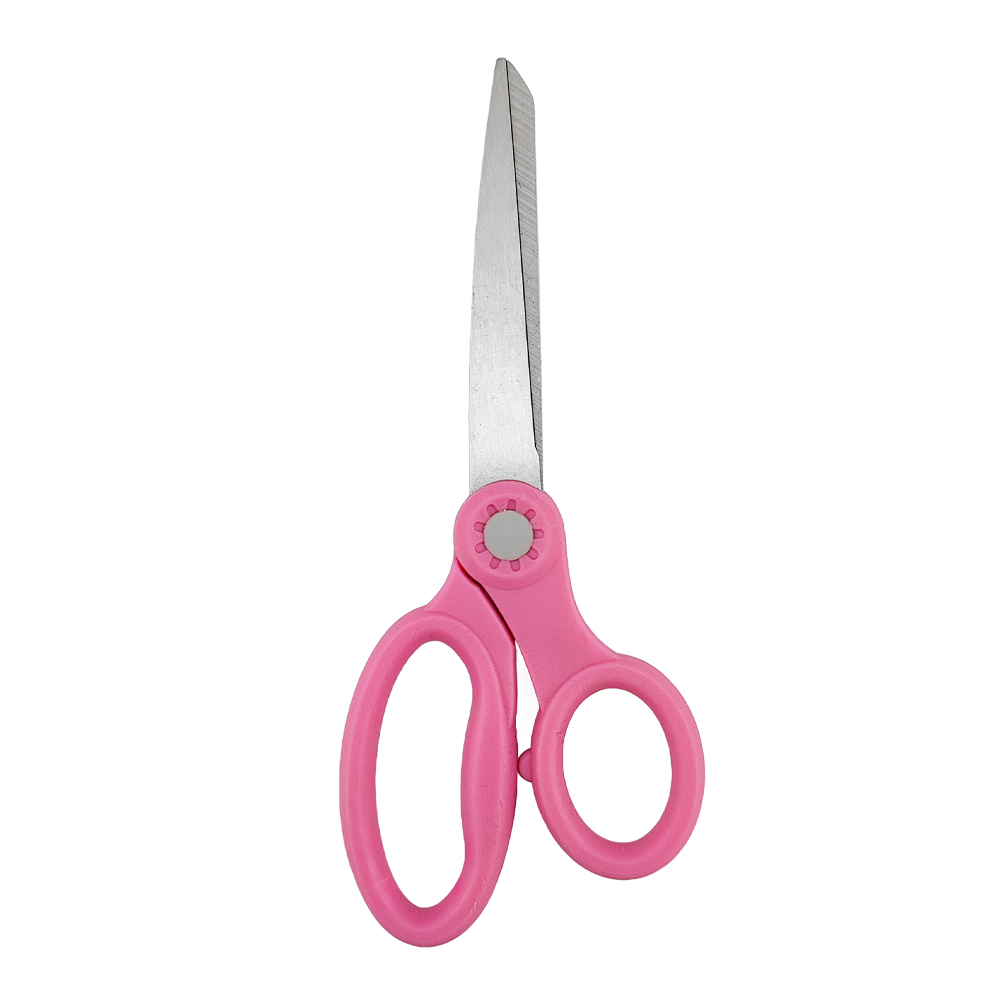
Pink Precision Household Scissors: Practical Buying Guide
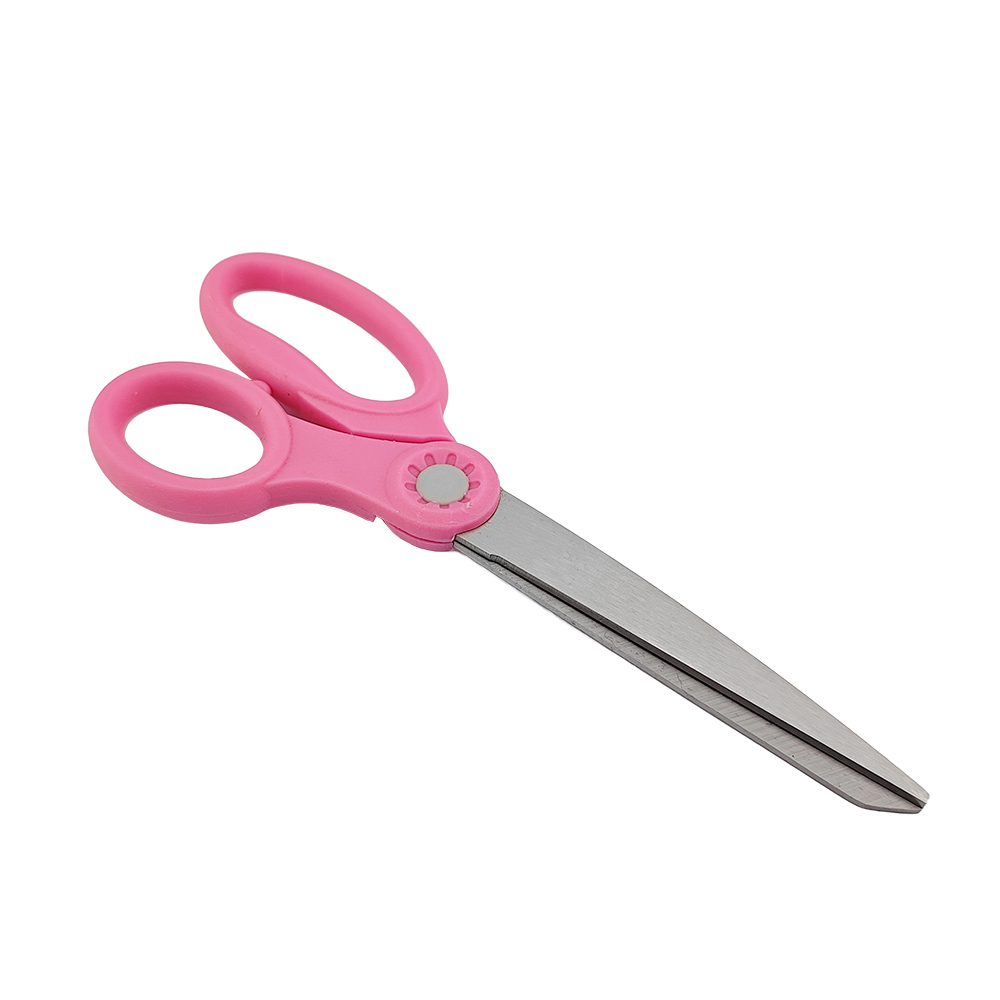
Pink Precision Household Scissors are designed for everyday cutting tasks where a general-purpose pair of scissors is more convenient than a specialized tool. The original product description highlights a pink design, an ergonomic handle made from durable plastic, stainless steel blades, and a secure pivot point for smooth operation. Those are useful details, but a good purchase decision should go further than color and basic appearance.
This guide explains how to evaluate household scissors for home, office, craft, retail, wholesale, or OEM sourcing. It avoids unsupported claims and focuses on practical checks buyers can make before adding a product to a personal toolkit or a commercial catalog.
What Pink Precision Household Scissors Are Best Used For
Household scissors are typically chosen for light to medium everyday cutting. Based on the original description, these pink scissors are positioned for paper, fabric, crafting, office work, and general cutting needs. That makes them suitable for many routine environments: a kitchen drawer, a desk organizer, a classroom supply kit, a sewing corner, or a retail household goods display.
They should not automatically be treated as industrial shears, heavy-duty kitchen poultry shears, or professional tailoring scissors unless the supplier provides clear product specifications and test information. For common household tasks, the main buying questions are whether the grip feels stable, whether the blades align well, whether the pivot opens smoothly, and whether the scissors are comfortable for repeated cuts.
Design, Grip, and Everyday Comfort
The original article describes an ergonomic handle made from durable plastic and notes that the scissors can be used by both right- and left-handed users. Comfort is important because even a sharp blade can become frustrating if the handle pinches, slips, or forces the wrist into an awkward angle.
When evaluating a sample, check the finger openings, edge smoothness, and handle balance. A handle that feels comfortable for one buyer may not fit every user, especially in schools, offices, or shared workspaces. For wholesale or OEM orders, request samples and ask different users to cut paper, thin packaging, thread, ribbon, and a small fabric offcut. The goal is not only to test sharpness but also to understand how the scissors feel after several minutes of repeated use.
Blade and Pivot Checks Before Buying
The source article states that the blades are made from stainless steel and that the pivot point supports smooth operation. Stainless steel is commonly valued for corrosion resistance, but buyers should still ask what grade is used if that detail matters for the intended market. Do not assume a specific steel grade, hardness level, coating, or food-contact suitability unless the supplier confirms it in writing.
For practical inspection, open and close the scissors slowly. The movement should be consistent rather than loose at one point and tight at another. Look along the cutting edges to see whether the blades meet properly from the pivot toward the tip. Test clean cuts on several common materials, and check whether the scissors fold, tear, or snag thin paper. A secure pivot is especially important for precision because blade separation can reduce cutting accuracy.
Comparison and Buying Checklist
Use the following checklist when comparing pink household scissors with other general-purpose scissors. It is useful for individual buyers, retailers, and sourcing teams reviewing supplier samples.
| Evaluation point | What to check | Why it matters |
|---|---|---|
| Handle comfort | Finger opening size, smooth edges, grip stability | Reduces discomfort during repeated household or craft use |
| Blade material | Supplier-stated stainless steel details, finish, edge alignment | Supports cutting performance and helps buyers compare options accurately |
| Pivot quality | Smooth opening and closing, no excessive wobble | Affects cutting control and long-term usability |
| Cutting range | Paper, fabric scraps, ribbon, labels, light packaging | Confirms the scissors suit the intended everyday tasks |
| User fit | Right- and left-hand comfort, hand size compatibility | Important for offices, schools, craft groups, and retail customers |
| OEM readiness | Packaging, color options, logo method, MOQ, lead time | Helps B2B buyers avoid unclear commercial expectations |
B2B Sourcing Guidance for OEM and Wholesale Buyers
If you are sourcing scissors from a factory, trading company, or Yangjiang scissors manufacturer, treat the pink design as only one part of the decision. Product consistency, communication, packaging, and after-sales handling are just as important as the sample itself.
Before confirming an OEM or wholesale order, prepare a written inquiry. Useful questions include:
- What blade material is used, and can the supplier provide a written specification?
- What handle material is used, and are color-matching options available for pink or custom colors?
- What logo methods and packaging formats can be quoted?
- What are the MOQ, sample cost, production lead time, and payment terms?
- Which inspection standards can be agreed before shipment?
- Can the supplier provide product photos, packaging artwork templates, and carton information?
- Are any market-specific compliance documents required for the buyer’s destination, and can the supplier support them?
Buyers should not rely only on attractive product photos. Ask for physical samples, keep an approved sample for comparison, and confirm all commercial details in the purchase order. If the product will be sold under a private label, define acceptable color tolerance, blade appearance, packaging print quality, and defect handling before production begins.
Use and Care Tips for Longer Service
Good household scissors last longer when they are used within their intended range. Avoid cutting wire, thick plastic, hard stems, or materials that may chip or bend the blades unless the supplier states that the scissors are designed for those uses. If the scissors are used for tape or adhesive labels, wipe residue from the blades after use.
- Store the scissors closed and dry to reduce accidental damage and moisture exposure.
- Use a separate pair for food, crafts, and office supplies if hygiene or adhesive transfer is a concern.
- Wipe the blades with a soft cloth after cutting sticky materials.
- Do not force the blades through materials that feel too thick or hard.
- Keep the pivot area clean so the opening action remains smooth.
For shared workplaces, label scissors by use area. This simple habit prevents craft scissors from being used on rough packaging or kitchen scissors from being used on paper glue and tape.
Key Takeaways
- Pink Precision Household Scissors are positioned for everyday cutting, crafting, office, and general household use.
- The original description identifies stainless steel blades, a durable plastic ergonomic handle, and a secure pivot point.
- Comfort, blade alignment, pivot smoothness, and sample testing matter more than color alone.
- B2B buyers should ask clear questions about specifications, MOQ, packaging, logo options, lead time, and inspection terms.
FAQ
Are Pink Precision Household Scissors suitable for fabric?
The original article mentions use on fabric. For best results, test a sample on the type of fabric you expect to cut. Thin craft fabric and thread are different from heavy upholstery or layered textiles.
Can these scissors be used by left-handed users?
The original description says the ergonomic handle is suitable for both right- and left-handed users. For bulk orders, it is still wise to test samples with actual left-handed users before purchasing.
What should OEM buyers confirm before ordering?
Confirm blade and handle materials, available colors, logo method, packaging, MOQ, lead time, inspection requirements, and any documents needed for the destination market.
How should household scissors be maintained?
Keep them dry, store them closed, wipe adhesive from the blades, and avoid cutting hard materials that exceed their intended household use.
