




Tailor Scissors China: Precision and Comfort Redefined
For sewing studios, craft retailers, garment workshops, and DIY product buyers, tailor scissors are small tools with a large effect on daily work quality. A clean cut helps fabric pieces align correctly, reduces fraying, and saves time during repetitive cutting. When buyers search for tailor scissors China, they are usually comparing price, comfort, consistency, packaging, and whether a supplier can support repeat orders with stable quality.
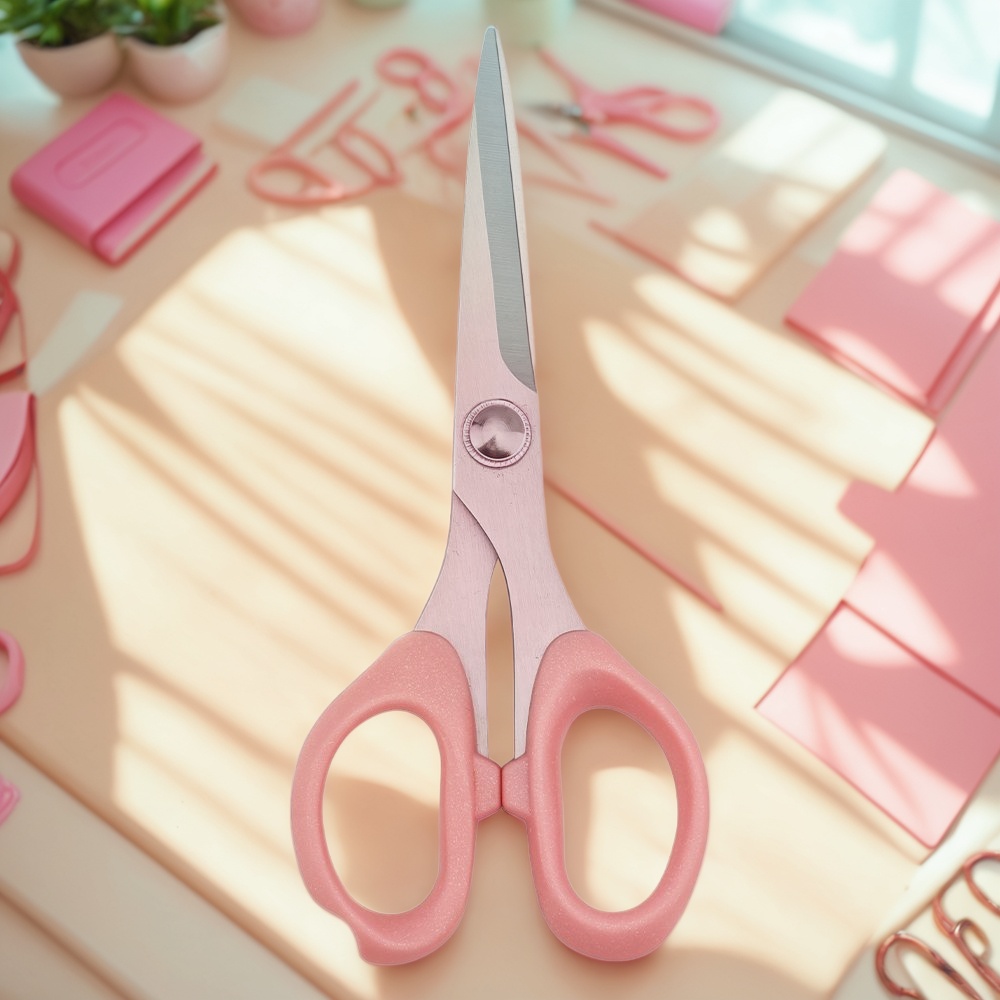
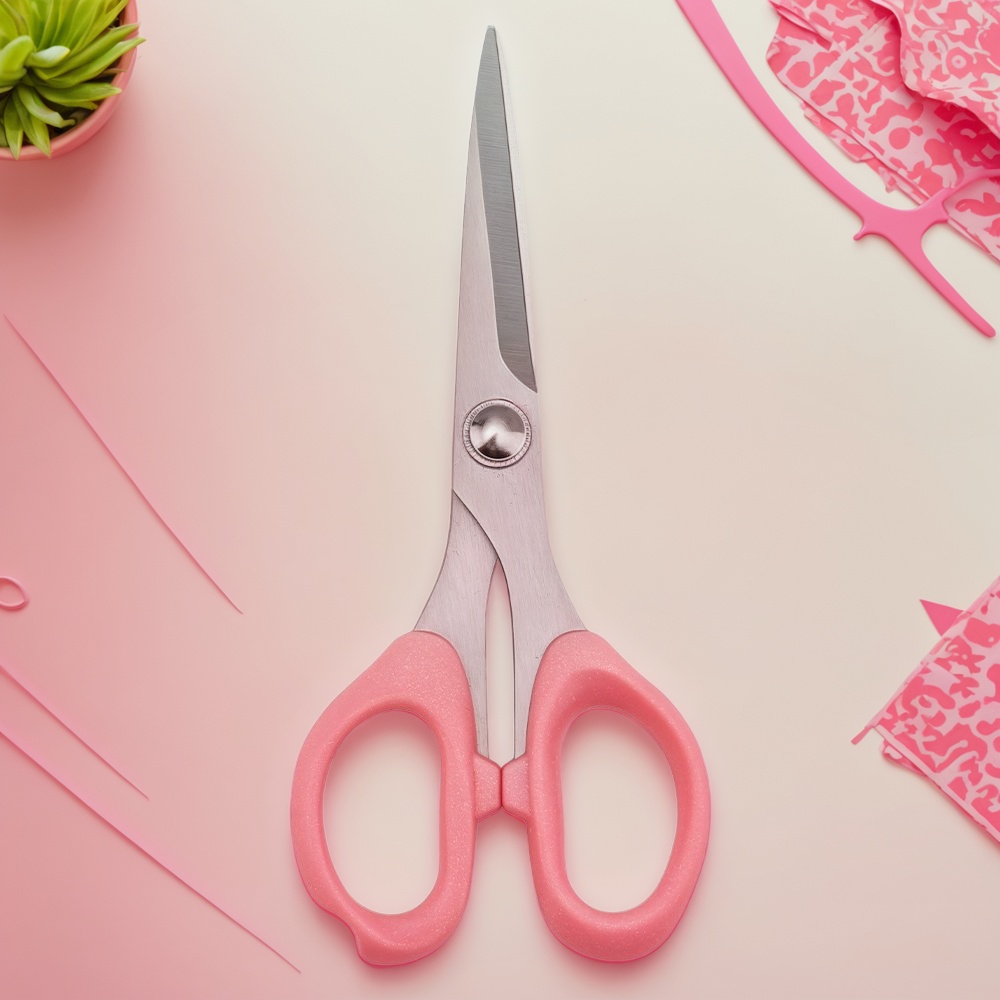
The original article introduced a pair of tailor scissors with stainless steel blades and soft blush-pink handles. Those explicit details remain useful: stainless steel is commonly chosen for cutting tools because it can offer practical corrosion resistance, while a comfortable handle can reduce strain during long sewing or crafting sessions. This revised guide looks beyond promotion and focuses on how to evaluate scissors, ask the right supplier questions, and choose a product that fits your market.
Key Takeaways
- Choose tailor scissors based on cutting feel, blade alignment, handle comfort, and the fabric types your customers use most often.
- Do not rely only on appearance; request samples and test them on lightweight, medium, and layered materials.
- For wholesale or OEM sourcing, ask suppliers about customization options, packaging, inspection process, lead time, and order requirements.
- Preserve product life by using fabric scissors only for fabric and keeping the pivot area clean and dry.
What Buyers Should Look For in Tailor Scissors
A good pair of tailor scissors should cut smoothly from the base of the blade to the tip. The blades should meet evenly without forcing the user to squeeze hard. For fabric work, the cutting edge must be sharp enough to move through cloth without dragging, chewing, or shifting the material. If the scissors are intended for professional tailoring, the buyer should pay attention to how they perform during repeated cuts, not just the first test.
Handle comfort is equally important. The original product description highlights soft blush-pink handles that are ergonomically sculpted for comfort and control. For retail customers, this can be a meaningful benefit because many users cut fabric for extended periods. For B2B buyers, comfort should be tested with different hand sizes and use cases, including straight cuts, curves, notches, and trimming threads or paper patterns if appropriate.
Comparison Checklist for Sourcing
| Check Area | What to Review | Questions to Ask a Supplier |
|---|---|---|
| Blade material | The source states stainless steel blades; confirm exact material details if needed. | What stainless steel type is used, and is documentation available? |
| Cutting performance | Test on common fabrics and layered samples. | Can you provide samples for cutting tests before bulk ordering? |
| Blade alignment | Check whether the blades close evenly from pivot to tip. | How is alignment inspected during production? |
| Handle design | Evaluate comfort, grip, and control during long use. | Are handle colors or materials customizable for OEM orders? |
| Packaging | Confirm whether packaging protects tips and edges in transit. | What packaging options are available for retail or wholesale? |
| Commercial terms | Review MOQ, lead time, payment terms, and after-sales process. | What are the current order requirements and replacement policies? |
How to Evaluate a China Tailor Scissors Manufacturer
When working with a China tailor scissors manufacturer, buyers should separate product claims from verifiable details. It is reasonable to ask for material information, sample availability, packaging photos, inspection standards, and whether customization is possible. However, avoid assuming capacity, certifications, or testing results unless the supplier provides current documentation.
For a first order, request several sample pieces rather than judging from a single unit. Use each pair repeatedly on the materials most relevant to your customers. If you sell to home sewists, test cotton, felt, craft fabric, and pattern paper. If your customers are garment workshops, test denim, lining fabric, knit fabric, and layered woven materials. Keep notes on cutting smoothness, handle comfort, pivot tightness, and whether the scissors stay aligned after repeated use.
OEM and Wholesale Questions to Prepare
Tailor scissors may look simple, but wholesale purchasing still requires a clear sourcing brief. A good brief helps the supplier quote accurately and reduces misunderstanding. Before contacting a tailoring tools supplier, prepare details such as target market, preferred handle color, packaging style, expected order quantity, and whether the product will be sold individually or as part of a sewing kit.
- Ask whether the blade and handle appearance shown in photos can be matched in production.
- Confirm if logo placement, color matching, barcode labeling, or retail packaging is available.
- Request the supplier's normal sample process, production lead time, and inspection method.
- Clarify who is responsible for packaging design files, shipping marks, and carton requirements.
- Ask how defects, transit damage, or order discrepancies are handled after delivery.
Product Selection for Different Users
Not every customer needs the same tailor scissors. A beginner may value comfort, simple packaging, and an approachable design. A professional tailor may prioritize long cutting sessions, clean blade movement, and reliability. A craft retailer may want a visually distinctive handle color, such as the soft blush-pink handle described in the original article, because color can help the product stand out on a shelf or in an online listing.
Buyers should also consider whether the scissors are positioned for fabric only or for general craft use. The original copy mentioned cutting fabric, paper, and other materials. In practice, fabric scissors usually perform best when reserved for fabric, because cutting paper can dull edges more quickly. If you market the product for mixed craft use, communicate realistic care guidance so customers understand how to maintain performance.
Use and Care Guidance for End Customers
Clear use instructions can reduce complaints and improve customer satisfaction. Include simple care advice on packaging, product pages, or instruction inserts. Scissors should be kept dry, wiped clean after use, and stored with the blade closed. Customers should avoid dropping them, twisting the blades through heavy material, or using them on wire, plastic sheets, or other hard materials unless the product is specifically designed for that purpose.
If the scissors begin to feel stiff, users can check whether lint has collected near the pivot. If the pivot is adjustable, small adjustments should be made carefully. If it is not adjustable, forcing the joint may damage the tool. For retailers, these practical details help set expectations and reduce returns caused by misuse.
FAQ
Are these tailor scissors made with stainless steel blades?
The original product description states that the scissors use stainless steel blades. Buyers who need a specific stainless steel grade should ask the supplier to confirm the material and provide supporting information.
Are the blush-pink handles only decorative?
The source describes soft blush-pink handles that are ergonomically sculpted for comfort and control. Buyers should still test samples to confirm comfort for their target users.
Can a tailoring tools supplier support OEM packaging?
Possibly, but this should not be assumed. Ask the supplier directly about logo printing, handle color options, packaging formats, label requirements, and order quantities.
How should buyers test samples before a wholesale order?
Cut several fabric types, test layered materials, check the tip performance, inspect blade alignment, and use the scissors long enough to judge hand comfort.
Should fabric scissors be used on paper?
They can cut paper if designed for general craft use, but fabric scissors often stay sharper longer when reserved for fabric. Include clear care guidance for customers.
Final Sourcing Advice
Sourcing tailor scissors from China is not only about finding an attractive product photo. The best decision comes from matching blade performance, handle comfort, packaging, and supplier communication to your sales channel. The stainless steel blades and soft blush-pink ergonomic handles described in the original product article provide a useful starting point, but B2B buyers should still verify samples, commercial terms, and quality expectations before placing a larger order.
Whether you are building a sewing kit, adding a fabric scissors line to a craft catalog, or comparing suppliers for private label tools, a structured evaluation process will help you choose scissors that customers can use confidently and repeatedly.
