




Tailor Scissors Made in China: Quality and Style
Tailor scissors made in China are widely considered by craft retailers, sewing-kit brands, distributors, and online sellers because they can cover a broad mix of functions, appearances, and price positions. For buyers, however, the real question is not simply where the scissors are made. The better question is how to judge whether a particular pair is suitable for fabric cutting, everyday craft use, or professional tailoring work.
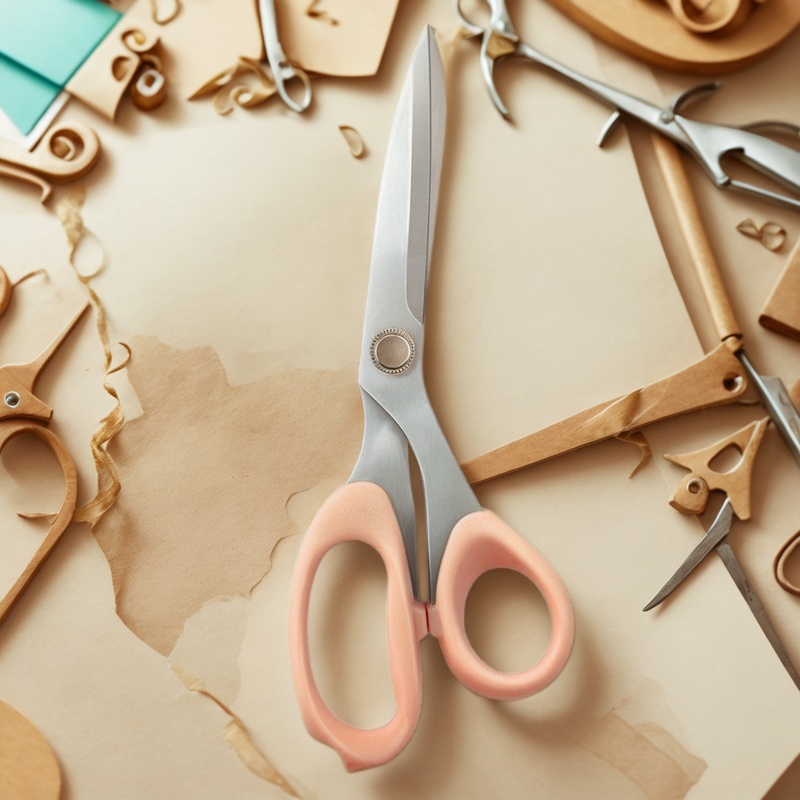
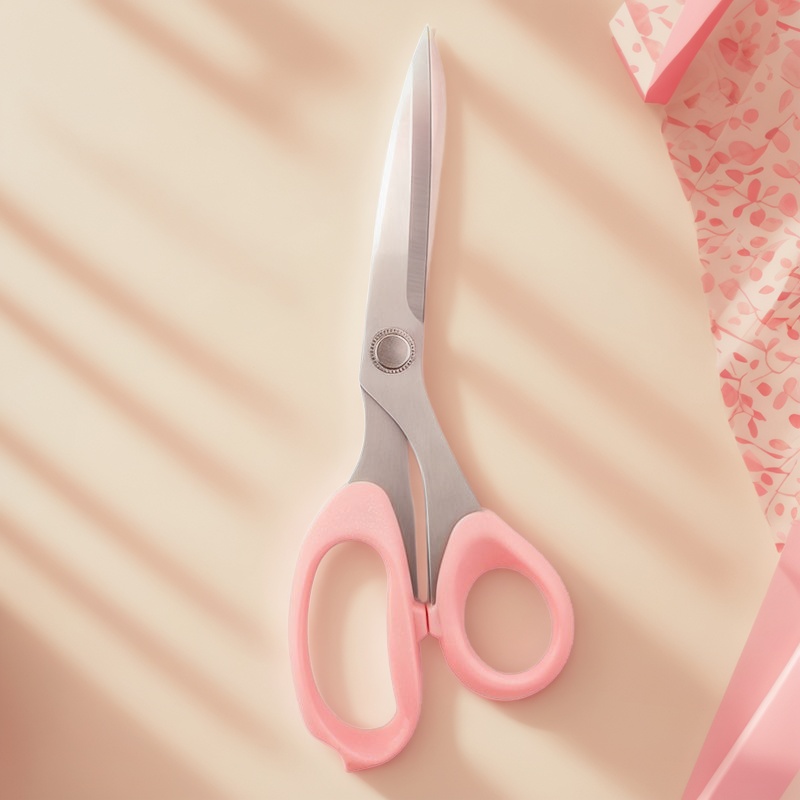
The original product description highlights several useful points: stainless steel blades, curved blades for smoother control, ergonomic handles, a textured grip, and a soft pastel pink handle option. These details suggest a product designed for practical cutting tasks while also paying attention to appearance and comfort. This guide explains how to evaluate those features carefully before placing a sourcing order.
Key Takeaways
- Do not judge tailor scissors by appearance alone; blade alignment, sharpness, comfort, and finish are more important.
- Ask suppliers clear questions about materials, packaging, samples, inspection standards, and customization options.
- Test scissors on the real materials your customers use, such as fabric, ribbon, and paper.
- Comfort features such as ergonomic handles and textured grips matter when scissors are used for long cutting sessions.
- Request written confirmation for any commercial details that are not shown in the product information.
What Buyers Should Look for in Tailor Scissors
A good pair of tailor scissors should cut cleanly, feel stable in the hand, and maintain control through repeated use. The source article states that the scissors use stainless steel blades and are intended to glide through materials such as delicate fabric, ribbon, and sturdy paper. For sourcing teams, these claims should be checked through sample testing rather than assumed across every production batch.
Start by reviewing the blade edge. A clean cutting edge should not catch fabric or leave frayed lines during normal use. Open and close the scissors several times to feel whether the pivot is too loose, too tight, or uneven. The blades should meet consistently from the base toward the tip. If the tip cannot close cleanly, detailed trimming work may be difficult.
Handle comfort is also important. The original description mentions ergonomic handles, a textured grip, and a stylish pastel pink option. These are useful features for craft, sewing, and retail buyers because many end users care about both function and visual presentation. Still, comfort depends on hand size and cutting habits, so sample testing with different users is recommended.
Why Chinese-Made Scissors Vary in Quality
China has a large manufacturing base for household tools, craft accessories, and cutting products. That scale creates choice, but it also means quality can vary between suppliers, product lines, and order specifications. Two scissors may look similar in photos but differ in blade finish, handle molding, pivot stability, packaging quality, and consistency from unit to unit.
For B2B sourcing, it is safer to treat every product page as a starting point, not a final specification. Ask the supplier to confirm which details are standard and which are optional. For example, if you need a specific handle color, branded packaging, barcode labels, or retail-ready presentation, confirm whether these are available and whether they affect lead time, cost, or minimum order quantity. Do not rely on assumptions.
Comparison and Sourcing Checklist
| Check Point | Why It Matters | Questions to Ask the Supplier |
|---|---|---|
| Blade material | The source mentions stainless steel blades, which can support durability and clean cutting when properly finished. | Can you confirm the blade material in writing and provide sample pieces for testing? |
| Blade alignment | Poor alignment can cause snagging, uneven cuts, or weak tip performance. | How do you inspect blade contact and cutting performance before shipment? |
| Handle design | Ergonomic handles and textured grips may reduce fatigue during repeated cutting. | Are handle colors, grip textures, or shapes fixed, or can they be customized? |
| Cutting application | The original content mentions fabric, ribbon, and paper; buyers should test their own target materials. | Which materials do you recommend for testing samples before bulk approval? |
| Packaging | Retail buyers need packaging that protects the product and communicates clearly. | What standard packaging is offered, and can you support private-label artwork? |
| Quality control | Batch consistency is essential for wholesale and marketplace sales. | What inspection steps are used, and can buyers arrange third-party inspection? |
How to Test Samples Before a Wholesale Order
Sample testing should be simple, repeatable, and tied to your sales channel. If you sell to sewing customers, test on common fabrics. If you sell craft tools, include ribbon, paper, and lightweight decorative materials. If the scissors are positioned for professional tailoring, focus on cutting precision, hand comfort, and consistency over longer use.
- Inspect the scissors visually for scratches, gaps, loose handles, uneven coating, or poor finishing.
- Open and close the scissors repeatedly to check smoothness and pivot stability.
- Cut straight lines and curves on the materials your customers are likely to use.
- Test the blade tip on small detailed cuts, not only long straight cuts.
- Ask several people to handle the scissors and comment on grip comfort and control.
- Record sample results and send clear feedback to the supplier before confirming an order.
This process helps prevent a common sourcing mistake: approving a product because it photographs well, then discovering later that it does not perform well enough for the intended user.
Balancing Style and Function
The original article emphasizes that modern made-in-China scissors can combine function with a more attractive design. This is relevant for e-commerce, gift sets, sewing kits, and craft supply displays. A pastel pink handle, a clean curved blade shape, or a textured grip can make the product easier to market, especially when customers compare many similar listings.
However, style should support the product rather than distract from weaknesses. If a handle looks appealing but feels slippery, it may disappoint users. If the blade shape looks elegant but does not cut smoothly through fabric, returns and poor reviews can follow. The best sourcing decision balances product photography, hand feel, cutting performance, and packaging presentation.
Supplier Questions for OEM and Private Label Buyers
If your business needs OEM, private label, or wholesale purchasing, prepare questions before speaking with a supplier. This keeps the conversation specific and reduces misunderstandings.
- What product details are fixed, and which parts can be customized?
- Can the supplier provide pre-production samples before bulk manufacturing?
- What packaging formats are available for retail, e-commerce, or bulk distribution?
- How are defects defined, reported, and handled after inspection?
- Can the supplier confirm lead time, MOQ, payment terms, and carton information in writing?
- Are there any documents, test reports, or compliance details relevant to your target market?
These questions are not only about negotiating price. They help confirm whether the supplier understands your channel, your end users, and your risk level.
Use and Care Tips for End Customers
For retailers and brand owners, clear use-and-care guidance can reduce complaints and extend product life. Customers should avoid using fabric scissors on hard materials unless the product is intended for that use. Even though the original description mentions fabric, ribbon, and paper, buyers should decide how they want to position the scissors and communicate that clearly.
After use, scissors should be wiped clean and stored dry. If lint or adhesive collects near the pivot, cutting may feel less smooth. Users should avoid dropping scissors because impact can affect blade alignment or tip accuracy. Simple care instructions on packaging or product pages can improve the customer experience without making unsupported performance claims.
FAQ
Are tailor scissors made in China suitable for professional use?
They can be, but suitability depends on the specific product and supplier. Test samples for blade alignment, cutting smoothness, handle comfort, and long-session usability before positioning them as professional tailor scissors.
What materials should I test before ordering?
Use the materials your customers will cut most often. Based on the source description, fabric, ribbon, and paper are relevant starting points, but your own sales channel should guide the final test list.
Can I request private-label packaging?
Many suppliers may offer packaging options, but this should be confirmed directly. Ask about artwork requirements, sample approval, lead time, MOQ, and any additional cost before placing an order.
What should I avoid when comparing suppliers?
Avoid comparing only by photo or unit price. Check sample performance, finish quality, supplier communication, inspection process, packaging, and after-sales handling.
Do ergonomic handles matter for tailor scissors?
Yes. Ergonomic handles and textured grips can improve comfort and control, especially during repeated cutting. Buyers should still test with real users because comfort is subjective.
Final Buying Advice
Tailor scissors made in China can be a practical option for craft, sewing, and wholesale product lines when evaluated carefully. The most useful approach is to combine product appearance with hands-on testing and clear supplier communication. Confirm the features that matter, test samples on real materials, and ask direct questions about quality control, packaging, customization, and commercial terms. This gives buyers a stronger basis for selecting scissors that look good, cut well, and match the expectations of their customers.
