




Tailor Scissors Manufacturer: Precision and Quality
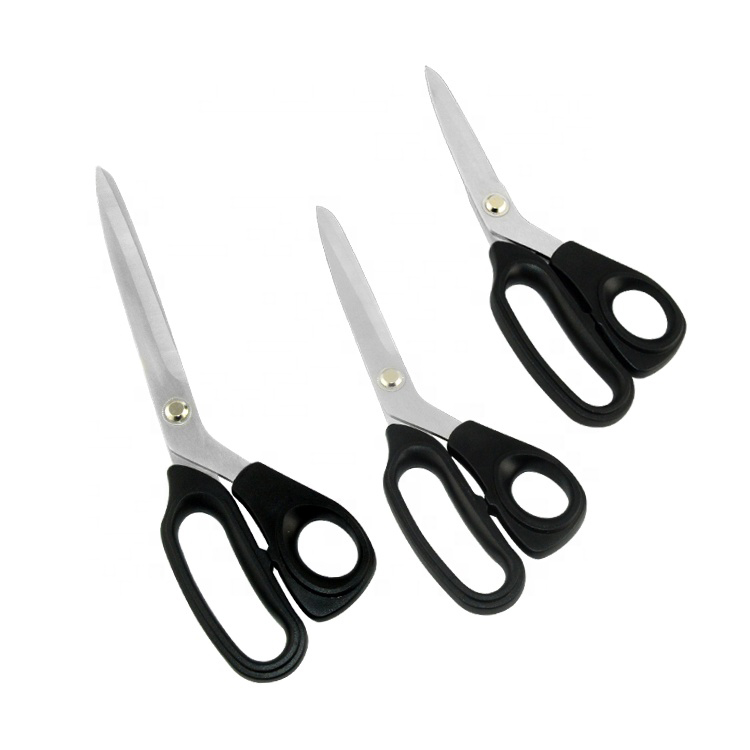
Choosing a tailor scissors manufacturer is not only about finding a sharp cutting tool. For distributors, sewing brands, fabric stores, and wholesale buyers, the decision affects customer satisfaction, repeat orders, warranty conversations, and the reputation of a product line. Tailors expect scissors that cut fabric cleanly, feel controlled in the hand, and hold up during daily use. Buyers need to translate those expectations into clear sourcing questions before placing an order.
The original product description highlights several useful features: premium stainless steel blades, clean cutting performance, an ergonomic handle, suitability for right- and left-handed users, a polished screw joint, smooth pivot motion, and rust-resistant steel. These are relevant selling points, but they should also become inspection points. A good sourcing process verifies how each feature is achieved, how consistently it appears across production, and how the supplier handles quality control.
Key Takeaways
- Ask suppliers to explain blade material, hardness control, edge finishing, and rust-resistance treatment instead of relying on broad quality claims.
- Check comfort with real cutting tasks, especially long fabric cuts, thread snipping, and repeated opening and closing.
- Confirm whether the scissors are designed for right-handed use, left-handed use, or both, and test the grip angle accordingly.
- Use samples, packaging checks, and written specifications before confirming wholesale or OEM orders.
- Do not assume MOQ, certificates, testing results, or custom branding options; request those details directly from the manufacturer.
What Professional Tailors Need From Scissors
Tailor scissors must do more than separate fabric. They should start a cut smoothly, continue through the material without chewing the edge, and stop cleanly when the user changes direction. For professional sewing rooms, costume workshops, alteration shops, and fabric counters, even small issues become obvious after repeated use. A blade that drags can slow production. A handle that creates pressure points can cause fatigue. A loose pivot can make cuts inaccurate.
When reviewing scissors for tailors, test them against the materials your customers actually use. Lightweight cotton, denim, lining fabric, felt, and layered cloth can behave very differently. If the supplier provides only one sample, ask whether additional samples from the same production batch can be inspected. Consistency is often more important than a perfect single display sample.
Blade Quality and Cutting Performance
The source article states that the scissors use premium stainless steel and rust-resistant steel. For sourcing, that information is a starting point, not the full specification. Buyers should ask what stainless steel is used, whether the material grade can be documented, how the blades are heat treated, and what inspection steps confirm edge sharpness. If the supplier cannot provide a grade or hardness range, record that limitation and decide whether it fits your market position.
Clean cutting is especially important for fabric because frayed edges create extra trimming work. During sample review, cut slowly and quickly, from the heel of the blade to the tip. The scissors should not force the fabric upward, leave uncut threads, or require excessive hand pressure. Also check whether the tips meet accurately; poor tip alignment makes detail cutting difficult.
Comfort, Handle Design, and User Fit
The original article mentions an ergonomic handle design that minimizes hand fatigue and accommodates both right- and left-handed users. That is useful, but buyers should verify it with practical handling. A handle may look comfortable in photos but feel narrow, slippery, or unbalanced after several minutes of cutting. Ask sample reviewers to test grip comfort with dry hands, longer fabric cuts, and repeated short snips.
If the scissors are marketed for both right- and left-handed users, confirm how the blade orientation and handle shape support that claim. Some scissors are symmetrical in appearance but still cut more naturally for one hand. For wholesale programs, this distinction matters because unclear labeling can lead to returns from professional users.
Pivot, Screw Joint, and Durability Checks
A polished screw joint and smooth pivot motion are useful features because they affect control and long-term cutting feel. The pivot should open and close without grinding, sticking, or wobbling. If the screw is adjustable, ask whether adjustment instructions are available for end users. If it is fixed, ask how the factory controls tightness during assembly.
Durability testing does not need to be complicated at the first sourcing stage. Open and close the sample repeatedly, cut several fabric types, and then check whether the blades still meet evenly. Look for burrs, looseness, uneven resistance, or handle movement. For larger orders, ask the manufacturer what in-process and final inspections are performed, and whether inspection photos or reports can be provided before shipment.
Comparison Checklist for Supplier Evaluation
| Evaluation Area | What to Check | Questions to Ask the Manufacturer |
|---|---|---|
| Blade material | Stainless steel claim, surface finish, rust resistance | What steel grade is used, and can it be confirmed in writing? |
| Cutting quality | Clean fabric edge, tip alignment, smooth start | How is sharpness inspected before packing? |
| Handle comfort | Grip shape, pressure points, balance | Is the design intended for right-handed, left-handed, or ambidextrous use? |
| Pivot joint | Smooth opening, no wobble, consistent tension | Is the screw adjustable, and how is joint tightness controlled? |
| Wholesale readiness | Packaging, labeling, carton protection, barcode needs | What OEM packaging options, MOQ, lead time, and artwork requirements apply? |
OEM and Wholesale Sourcing Questions
For B2B buyers, the best manufacturer is not always the lowest quoted supplier. Communication speed, sample accuracy, packaging control, and production consistency are equally important. Before negotiating price, prepare a written specification sheet. Include product size, intended market, packaging format, logo needs, labeling language, carton requirements, inspection standard, and any retail compliance requirements that apply in your sales region.
Do not assume that custom branding, private-label packaging, mixed cartons, replacement parts, or documentation are automatically available. Ask the supplier to confirm each item. If you need certificates or test reports, request current documents and check whether they relate to the exact product being ordered. If commercial details such as MOQ, lead time, payment terms, or sample cost are missing, treat them as open questions to clarify before approving production.
How to Review Samples Before Ordering
- Inspect the scissors visually for scratches, blade gaps, handle defects, and packaging damage.
- Cut several fabrics and check whether the edge stays clean from the blade heel to the tip.
- Open and close the scissors repeatedly to feel pivot smoothness and tension consistency.
- Ask both right- and left-handed users to test comfort if the product is promoted for both.
- Compare multiple samples, not just one, to judge consistency across pieces.
- Record any changes requested and ask the manufacturer to confirm them before mass production.
Use and Care Guidance for End Customers
Clear care guidance can reduce complaints after sale. Tailor scissors should generally be kept for fabric and thread rather than paper, wire, or hard plastic, because unsuitable materials can dull the edge. Users should wipe the blades dry after use, store the scissors safely, and avoid dropping them on the tips. If the pivot allows adjustment, small changes should be made carefully so the blades do not become too tight or too loose.
Retailers and wholesalers can include simple care instructions on packaging or product pages. This helps professional users understand how to protect the cutting edge and helps buyers position the product as a tool for sewing, tailoring, alteration, and fabric preparation.
FAQ
What should buyers ask a tailor scissors manufacturer first?
Start with blade material, cutting performance, handle design, pivot construction, packaging options, MOQ, lead time, and quality inspection process. Ask for written specifications rather than relying only on photos.
Are stainless steel tailor scissors always rust-proof?
Stainless steel is generally chosen for corrosion resistance, but performance depends on the steel grade, surface treatment, storage conditions, and care. Ask the supplier how rust resistance is controlled and documented.
How can I test whether scissors are suitable for professional tailors?
Cut the same fabrics your customers use, including long straight cuts and small detail cuts. Check blade alignment, tip accuracy, handle comfort, and pivot smoothness after repeated use.
Can one model work for both right- and left-handed users?
The source describes accommodation for both right- and left-handed users, but buyers should verify this with samples. Blade orientation, grip shape, and cutting visibility can affect real comfort.
What should be confirmed for OEM or wholesale orders?
Confirm logo method, packaging artwork, carton details, barcode needs, inspection criteria, MOQ, production lead time, payment terms, and whether any requested documents apply to the exact scissors being purchased.
