




Tailor Scissors OEM: Precision Sourcing Guide for Bulk Buyers
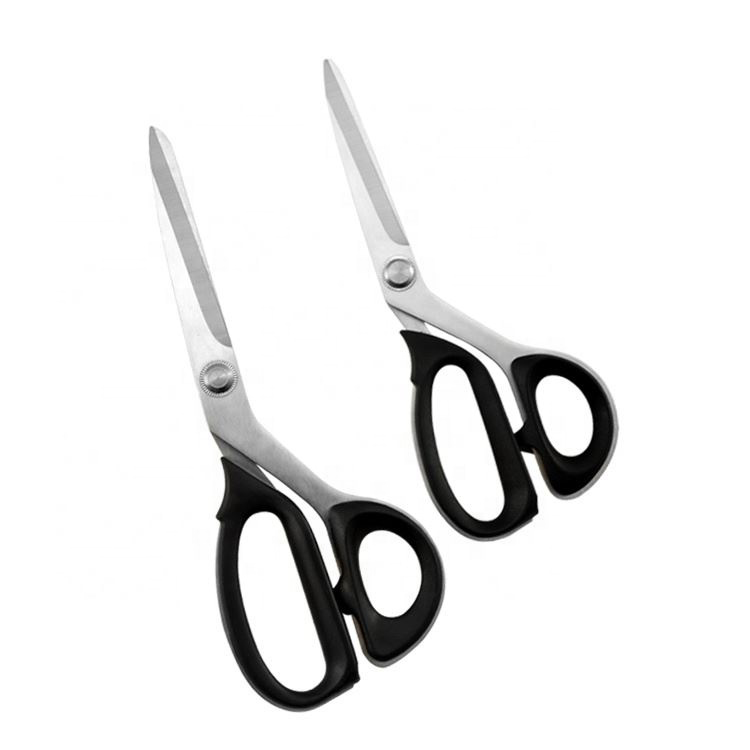
Tailor scissors are simple tools, but poor sourcing decisions can create real problems for sewing studios, uniform suppliers, craft retailers and private-label brands. A pair that feels sharp in a sample may not perform consistently across a bulk order. Handles may fit one user but cause fatigue during daily cutting. Packaging may look acceptable online but fail during transport. For buyers considering tailor scissors OEM, the goal is not only to find a good-looking product; it is to define requirements clearly, verify samples carefully and ask the right commercial questions before committing to production.
The original product information highlights stainless steel blades, an ergonomic design, a symmetric pivot point and bulk ordering as useful points for buyers. Those are practical starting facts. However, an OEM order should go further than a short product description. Buyers should confirm materials, blade finish, handle construction, branding options, packaging, inspection standards and after-sales procedures directly with the supplier.
Key Takeaways
- Tailor scissors OEM sourcing works best when buyers provide clear cutting, handle, branding and packaging requirements.
- Stainless steel blades are stated in the source, but buyers should still ask the supplier to confirm blade grade, hardness and finish.
- Bulk purchasing may improve planning efficiency, but MOQ, lead time, pricing and payment terms must be verified before ordering.
- Samples should be tested on the actual materials your customers cut, not only on paper or thin fabric.
- Eco-friendly claims should be supported by specific material, packaging or process information from the supplier.
What Tailor Scissors OEM Means for Buyers
OEM, or original equipment manufacturing, usually means a supplier produces scissors according to a buyer's requested design, branding or packaging arrangement. In the tailor scissors category, this may involve logo placement, handle color, retail card design, barcode labeling, carton marks or a selected assortment for wholesale distribution. The exact scope depends on what the supplier can offer, so buyers should avoid assumptions.
For B2B buyers, the most important step is to convert broad expectations into measurable requirements. Instead of requesting “high quality tailor scissors,” define the intended use: garment cutting, sample room work, sewing kits, craft retail, school supply programs or promotional bundles. A professional tailor may need a different balance, blade length and grip comfort than a consumer using scissors occasionally at home.
Blade and Cutting Performance Questions
The source article states that the scissors use stainless steel blades and are designed for sharpness and durability. That is useful, but stainless steel can vary widely. Before placing a bulk order, ask the supplier which stainless steel grade is used, whether blade hardness can be provided, how the edge is finished and how sharpness is checked during production.
Cutting performance should be evaluated with real materials. If your market includes denim, felt, cotton, lining fabric or layered textiles, send the supplier the intended cutting standards or request samples for in-house testing. Check whether the blades cut cleanly from base to tip, whether the pivot remains stable and whether the scissors chew or push fabric near the end of the cut.
Handle Comfort and Daily Use
The original content mentions ergonomic design for prolonged use and reduced hand fatigue. In sourcing terms, that should be tested with multiple users. Handle shape, finger opening size, surface texture and weight distribution affect comfort. A product that feels comfortable for a few minutes may not suit users who cut fabric for several hours.
If you sell into professional sewing or tailoring channels, request several sample pieces and gather feedback from actual operators. Ask whether the handle material, color and finish are customizable. Also confirm whether left-hand options, different sizes or assorted models are available if your product line needs broader coverage.
OEM Comparison Checklist
The table below can help buyers compare offers from different tailor scissors suppliers without relying only on unit price.
| Check Area | What to Ask the Supplier | Why It Matters |
|---|---|---|
| Blade material | What stainless steel grade and hardness are used? | Helps predict cutting durability and consistency. |
| Sample testing | Can samples be tested before bulk confirmation? | Reduces risk before production starts. |
| Pivot structure | How is pivot tension controlled during assembly? | Affects smooth operation and straight cutting. |
| Handle design | What handle materials, colors and shapes are available? | Supports comfort, branding and market positioning. |
| Branding | Where can logos or labels be applied? | Clarifies OEM customization options. |
| Packaging | What retail, wholesale and carton packing options exist? | Protects goods and supports channel requirements. |
| Quality control | What inspections are performed before shipment? | Improves consistency across bulk orders. |
Eco-Friendly Claims Need Evidence
The previous article referred to eco-friendly tailor scissors and sustainable materials. These phrases can be useful for marketing only when the supplier can explain them clearly. Buyers should ask what part of the product or packaging supports the claim. Is it reduced plastic packaging, recyclable packaging, a specific handle material, a longer-lasting blade design or another documented feature?
Avoid placing broad environmental claims on retail packaging unless the supplier provides adequate supporting information for your market. Requirements differ by country and sales channel. When in doubt, use factual wording such as packaging material, care instructions or repairability information rather than vague claims.
Bulk Ordering and Commercial Planning
Ordering tailor scissors in bulk can help wholesalers, retailers and brand owners keep stock consistent across product lines. It can also simplify packaging and labeling when the order is planned carefully. However, buyers should confirm commercial details instead of assuming them. Ask about MOQ, sample cost, lead time, payment terms, carton quantity, shipment method and replacement policy for defective goods.
It is also wise to separate sample approval from mass production approval. Keep a signed or clearly documented reference sample. Confirm whether the bulk order should match the sample in blade finish, handle color, logo placement, packaging artwork and carton marks. Small differences can become large problems when products are distributed to multiple sales channels.
How to Review Samples Before Ordering
- Inspect appearance first: blade surface, handle finish, logo position and packaging condition.
- Open and close the scissors repeatedly to check smooth movement and pivot stability.
- Cut the real materials your customers use, including layered fabric if relevant.
- Compare several sample pieces to see whether performance is consistent.
- Check packaging strength, barcode readability and carton labeling requirements.
- Record approval notes so the supplier understands what must be repeated in bulk production.
Practical FAQ
What should I confirm before buying tailor scissors OEM?
Confirm blade material details, cutting performance, handle design, logo options, packaging, MOQ, lead time, inspection process and shipment terms. Ask for samples before approving a bulk order.
Are stainless steel tailor scissors always the best choice?
The source product states stainless steel blades, which are common for scissors. The best choice still depends on blade grade, edge finish, pivot quality and the materials being cut.
Can tailor scissors be ordered with private-label packaging?
Many OEM projects include branding or packaging customization, but availability depends on the supplier. Buyers should ask what logo, label, card, blister or carton options are supported.
How do I evaluate eco-friendly tailor scissors claims?
Ask the supplier to identify the exact material, packaging choice or production practice behind the claim. Use only claims that can be supported with clear documentation for your sales market.
What is the main risk in bulk ordering scissors?
The main risk is inconsistency between approved samples and mass production. A documented reference sample, clear specifications and pre-shipment inspection can reduce that risk.
Final Sourcing Advice
Tailor scissors OEM can be a practical route for buyers who need consistent cutting tools, branded packaging or wholesale supply. The best results come from detailed questions and careful sample review. Rather than judging only by appearance or price, compare cutting performance, user comfort, packaging durability and supplier communication. A well-defined order helps protect both the buyer and the end user.
