




Tailor Scissors: PrecisionCraft Comfort-Handled Blades
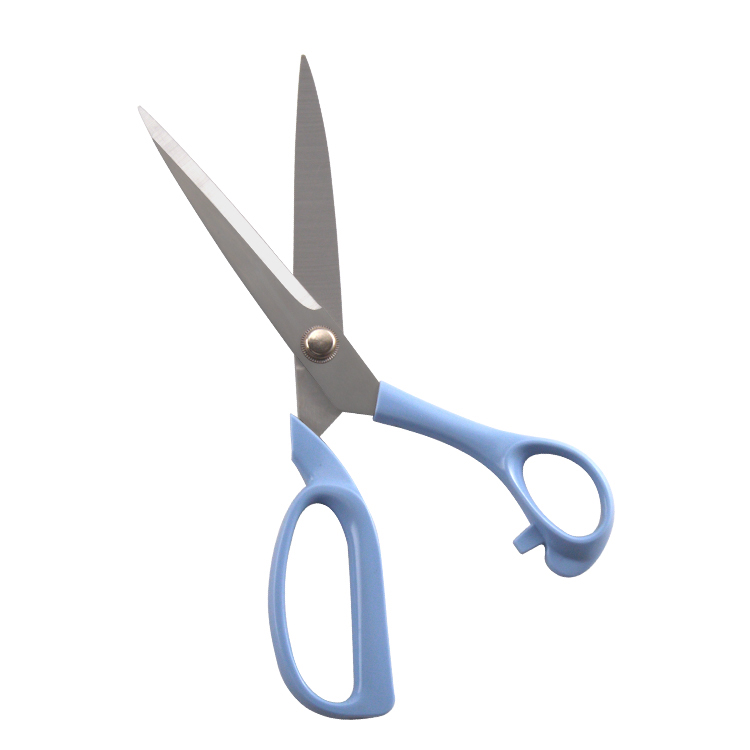
Tailor scissors are one of the most important tools on a sewing table. A clean cut affects how fabric pieces align, how patterns transfer, and how much correction is needed during sewing. The PrecisionCraft Comfort-Handled Scissors are presented as tailor and craft scissors with stainless steel blades, a light blue ergonomic handle, and a pivot screw for cutting control. Those details make them relevant for dressmaking, pattern work, craft projects, and general fabric preparation.
This guide explains how to evaluate tailor scissors for real use. It focuses on product selection, daily handling, care, and practical questions to ask before buying. It does not assume a specific blade length, steel grade, coating, hardness, or commercial package unless those details are confirmed by the supplier.
Key Takeaways
- Choose tailor scissors based on fabric type, comfort, control, and maintenance needs.
- Stainless steel blades can support clean cutting, but buyers should confirm grade, blade length, and edge finish.
- An ergonomic handle is useful for long cutting sessions, especially when cutting multiple pattern pieces.
- A pivot screw may help stability, but users should check tension and alignment before regular use.
- Keep fabric scissors dedicated to fabric to protect blade sharpness.
What Makes Tailor Scissors Different?
Tailor scissors are designed for controlled cutting across textiles. Compared with general household scissors, they need to move smoothly through fabric without dragging, chewing, or pushing the cloth out of place. Good tailor scissors should help the user keep the lower blade close to the cutting surface, especially when trimming long pattern lines.
The PrecisionCraft Comfort-Handled Scissors are described with stainless steel blades and an ergonomic handle. Stainless steel is commonly used in scissors because it can resist everyday corrosion better than untreated carbon steel, but performance still depends on blade geometry, edge quality, adjustment, and use. The light blue handle is described as ergonomic, which matters because fabric cutting can involve repeated opening and closing motions over long sessions.
How to Choose Tailor Scissors for Fabric
Before buying, consider the way the scissors will be used. A garment maker cutting cotton patterns has different needs from a crafter trimming felt, interfacing, or mixed materials. The best choice is not only the sharpest pair; it is the pair that cuts the intended fabric cleanly while staying comfortable in the hand.
- Check the fabric range. Ask whether the scissors are recommended for lightweight woven fabric, thicker cloth, craft materials, or mixed use.
- Confirm blade details. Request the blade length, material grade, edge type, and whether the scissors are intended for right-handed, left-handed, or general use.
- Test handle comfort. The handle should allow a secure grip without pinching the fingers or forcing the wrist into an awkward angle.
- Inspect the pivot. A pivot screw should feel stable. The blades should open and close smoothly without looseness or grinding.
- Review packaging and after-sales information. For retail or workshop buying, ask how the scissors are packed and how defects or adjustment issues are handled.
Comfort and Control During Long Cutting Sessions
Comfort is more than a pleasant handle shape. It affects accuracy. When the hand becomes tired, it is easier to lift the fabric, veer away from the cutting line, or create uneven edges. The original description highlights a light blue ergonomic handle that is intended to reduce hand fatigue during extended cutting sessions. That feature is useful for tailors, sewing students, small studios, and hobbyists who cut several pieces at once.
Control also depends on balance. Scissors that feel too loose may fold fabric instead of slicing it. Scissors that feel too tight may strain the hand. The pivot screw mentioned in the source is relevant because it can contribute to stability. If the screw is adjustable, confirm the proper adjustment method with the supplier. If it is not intended for user adjustment, avoid forcing it.
Comparison Checklist for Buyers and Users
| Evaluation point | Why it matters | What to check before purchase |
|---|---|---|
| Blade material | Affects cutting feel, durability, and care needs | Confirm stainless steel grade and edge finish with the supplier |
| Handle design | Influences comfort during repeated cutting | Check grip size, finger clearance, and hand orientation |
| Pivot screw | Helps determine blade alignment and cutting stability | Ask whether it is adjustable and how tension should feel |
| Fabric suitability | Prevents poor cutting results or premature dulling | Ask which fabrics or craft materials are recommended |
| Care requirements | Extends useful life and preserves sharpness | Ask how to clean, dry, store, and sharpen the scissors |
Use Tips for Cleaner Fabric Cuts
Even good tailor scissors need correct handling. Lay fabric flat on a stable surface and avoid lifting the cloth high while cutting. For long lines, use smooth, full strokes and keep the lower blade near the table. For curves and notches, slow down and rotate the fabric rather than twisting the scissors sharply.
Keep these scissors dedicated to fabric whenever possible. Cutting paper, cardboard, wire, tape, or hard plastic can dull the edge or leave adhesive residue. If the scissors are used for craft materials as well as fabric, clean the blades after use and check whether the next fabric cut still feels smooth. A pair reserved for fine fabric is often worth separating from a pair used for general craft work.
Care and Maintenance Basics
Care is simple but important. Wipe the blades after use, especially if they contact sizing, chalk, adhesive, or damp fabric. Store the scissors closed in a dry place. Avoid dropping them, because impact can damage the tips, shift blade alignment, or affect pivot tension. If the blades begin to snag, do not keep forcing cuts through fabric; that can worsen the edge and distort the cloth.
Sharpening should be done carefully. Ask the supplier whether the blade design is suitable for professional sharpening and whether there are recommended sharpening angles or restrictions. Do not assume every stainless steel scissor can be sharpened the same way. If the pivot screw becomes loose or overly tight, ask for adjustment guidance rather than using excessive force.
Questions to Ask Before Ordering
For consumers, studios, or wholesale buyers comparing tailor scissors, clear product information helps prevent mismatched expectations. Since the available description does not specify size, steel grade, packaging, or minimum order details, these should be treated as buyer questions rather than assumptions.
- What is the exact blade length and total scissor length?
- What stainless steel grade is used for the blades?
- Are the scissors suitable for both fabric and craft materials?
- Is the pivot screw adjustable by the user?
- Are samples available for cutting tests before larger orders?
- What packaging options are available for retail, studio, or bulk purchasing?
- What quality checks are performed before shipment?
FAQ
Are tailor scissors different from regular scissors?
Yes. Tailor scissors are intended for more controlled fabric cutting. They usually need a smoother cutting action and better edge control than general household scissors.
Can these scissors cut materials other than fabric?
The source mentions fabric and other materials, but suitability depends on the material. Ask the supplier which craft materials are recommended, and avoid hard items that may dull the blades.
Why does an ergonomic handle matter?
An ergonomic handle can reduce discomfort during repeated cutting. It is especially helpful when cutting multiple pattern pieces or working for long periods.
How should tailor scissors be stored?
Store them clean, dry, and closed. Keep them away from moisture and protect the tips from impact.
What should I ask before buying in quantity?
Confirm blade size, stainless steel grade, packaging, sample policy, quality checks, and whether the pivot screw is adjustable. These details should be verified directly with the supplier.
