




Tailor Scissors Supplier: Precision Sourcing Guide
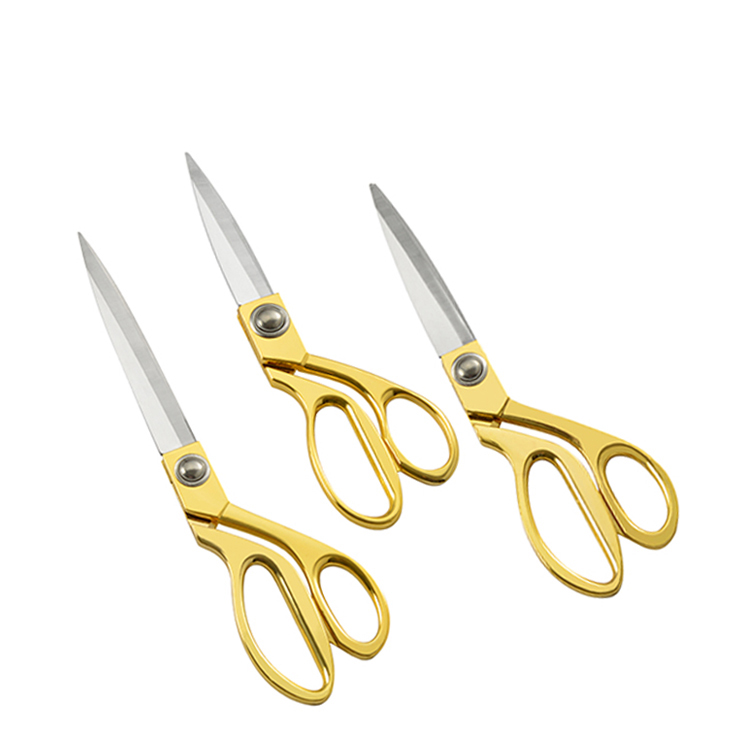
Choosing a tailor scissors supplier is not only about finding a sharp blade. For importers, sewing tool distributors, garment workshop buyers, craft retailers, and OEM customers, the right sourcing decision affects product consistency, customer complaints, repeat orders, and brand reputation. A pair of tailor scissors may look simple, but professional users judge it by how cleanly it cuts fabric, how comfortable it feels during long sessions, and how reliably each shipment matches the approved sample.
The original product information highlights stainless steel construction, a golden handle finish, and an ergonomic grip designed for comfort and control. Those are useful starting points, but B2B buyers should still verify the details through samples, written specifications, packaging checks, and supplier communication before placing a wholesale or private-label order.
Key Takeaways
- Start with the cutting task: tailoring, dressmaking, upholstery, craft retail, or general fabric use.
- Confirm explicit material, finish, size, packaging, and branding details with the supplier before ordering.
- Request production samples and compare them with any future shipment reference sample.
- Evaluate comfort, blade alignment, surface finish, and cutting performance across different fabrics.
- Ask practical B2B questions about lead time, inspection process, export packaging, and OEM support.
What Buyers Should Confirm First
A good sourcing process begins with clear commercial and product questions. If you are buying tailor scissors for resale, the product must fit your market position. A premium sewing store may need refined presentation and consistent finish, while a wholesale hardware or craft channel may prioritize practical packaging and dependable availability.
Ask the supplier to confirm the scissor length, blade thickness, handle material, net weight, carton packing, available colors, and whether logos or custom packaging are possible. If you need OEM or private-label service, request artwork guidelines and approval steps. Do not assume that a displayed product photo represents every available specification. Written confirmation helps prevent confusion between sample, quotation, and bulk production.
Material and Cutting Performance
The source article states that the scissors are made from stainless steel. For buyers, that fact is useful but not complete enough for a purchasing decision. Stainless steel can vary in hardness, corrosion resistance, edge retention, and finishing quality, so it is reasonable to ask the supplier what material specification they use and whether it can be documented in the quotation or product sheet.
When testing samples, do not judge sharpness on paper only. Tailor scissors are intended for fabric work, so evaluate them on several common textiles such as light lining fabric, cotton, denim, and multi-layer fabric if those match your customer base. Look for smooth cutting from the pivot to the tip, not just at the middle of the blade. Poor alignment often appears near the tip, where fabric may fold instead of separating cleanly.
Ergonomic Handle and Golden Finish
The original description mentions ergonomic grip and golden handles. These features can help the product stand out, but they should be evaluated practically. A handle that looks attractive in product photos still needs to fit the hand well and remain comfortable during repeated cutting. Buyers should test grip clearance, finger opening size, handle edge smoothness, and the balance between blade and handle.
The golden finish should also be checked under normal handling. Ask whether the finish is decorative, protective, or both, and request care instructions if the surface needs special handling. During sample review, inspect whether the finish is even around curves, inner handle areas, and edges. For retail buyers, visual consistency matters because scissors are often displayed in clear packaging or photographed for online listings.
Comparison Checklist for Supplier Evaluation
| Evaluation Area | What to Check | Why It Matters |
|---|---|---|
| Blade performance | Clean cutting on relevant fabrics from heel to tip | Reduces returns from professional and craft users |
| Material details | Confirmed stainless steel specification and finish description | Helps buyers compare offers accurately |
| Handle comfort | Grip shape, opening size, smooth edges, hand fatigue | Important for tailors and workshop users |
| Surface quality | Golden handle finish, scratches, burrs, color consistency | Affects retail presentation and perceived value |
| Packaging | Individual packing, carton strength, barcode or label options | Protects products during export and supports resale |
| OEM process | Logo method, artwork approval, sample confirmation | Prevents branding errors in private-label orders |
Wholesale and OEM Sourcing Questions
Before confirming an order with any tailor scissors supplier, prepare a short but specific question list. This saves time and makes quotations easier to compare. Useful questions include:
- What sizes and handle colors are currently available for this tailor scissors model?
- What stainless steel specification is used, and can it be listed on the proforma invoice or product sheet?
- Can the supplier provide pre-production samples for approval before bulk production?
- What packaging options are available for wholesale, retail display, or private-label orders?
- What inspection steps are used for blade alignment, sharpness, surface finish, and packing?
- What are the current lead time, MOQ, payment terms, and export carton details?
These questions do not replace physical sample testing, but they reveal how clearly the supplier communicates. A responsive supplier should be able to explain product options, confirm limitations, and document what is included in the quotation.
Sample Testing Before Bulk Orders
Sample approval is one of the most important steps in sourcing tailor scissors. Keep one approved sample as a benchmark, and share clear feedback if changes are required. For example, if the handle finish has a visible scratch, describe where it appears. If the blade tip does not cut cleanly, test multiple units and report whether the issue is isolated or repeated.
Buyers should also test packaging durability. Scissors are pointed tools, so packaging must prevent movement, protect the edge, and reduce carton damage during transport. If the product will be sold online, consider whether the package can survive small-parcel delivery after leaving your warehouse. For retail shelves, check whether the product information, barcode area, hanging hole, and visual presentation match your sales channel.
Use and Care Guidance for End Customers
Even B2B buyers should consider the instructions their customers will receive. Good use-and-care guidance can reduce complaints and extend product life. Tailor scissors should generally be used for fabric rather than hard wire, plastic sheets, or paperboard unless the supplier confirms suitability. Users should wipe the blades after use, store the scissors dry, and avoid dropping them because impact can affect blade alignment.
If you sell to sewing schools, craft stores, or garment workshops, include simple care instructions on the package or product page. Clear guidance helps users understand that precision cutting tools perform best when used for the right materials and stored properly.
FAQ
What should I ask a tailor scissors supplier before ordering?
Ask about size options, stainless steel specification, handle finish, sample availability, packaging choices, OEM logo options, MOQ, lead time, and inspection process. Request written confirmation for any detail that affects your purchase decision.
How can I test tailor scissors samples?
Test clean cutting on fabrics relevant to your buyers, including light and heavier materials if needed. Check the full blade length, especially the tip. Also inspect handle comfort, pivot smoothness, surface finish, and packaging protection.
Are golden handle tailor scissors only decorative?
The source product features a golden handle finish, but buyers should ask the supplier to clarify the finish type, care requirements, and expected appearance standard. Do not assume performance benefits unless the supplier confirms them in writing.
Can tailor scissors be customized for OEM orders?
Customization may be possible depending on the supplier and order details. Buyers should ask about logo placement, packaging artwork, sample approval, MOQ, production lead time, and whether customized samples can be provided before bulk production.
What makes a supplier suitable for wholesale buyers?
A suitable supplier provides consistent samples, clear specifications, stable communication, practical packaging options, and a transparent quality-check process. Price matters, but consistency and documentation are often more important for repeat wholesale orders.
For buyers comparing tailor scissors suppliers, the best approach is practical: define the target user, verify the product details, test samples carefully, and document every agreed specification before production. This reduces sourcing risk and helps you offer scissors that meet the expectations of tailors, designers, workshops, and craft customers.
