





Tailor Scissors Wholesale: Best Options for Crafting & Sewing
For sewing studios, garment factories, craft retailers, training schools, and alteration shops, scissors are not a minor accessory. They affect cutting accuracy, fabric waste, hand comfort, and the consistency of finished work. Buying tailor scissors wholesale can reduce procurement effort and help standardize tools across a team, but only if buyers understand what to evaluate before placing an order.
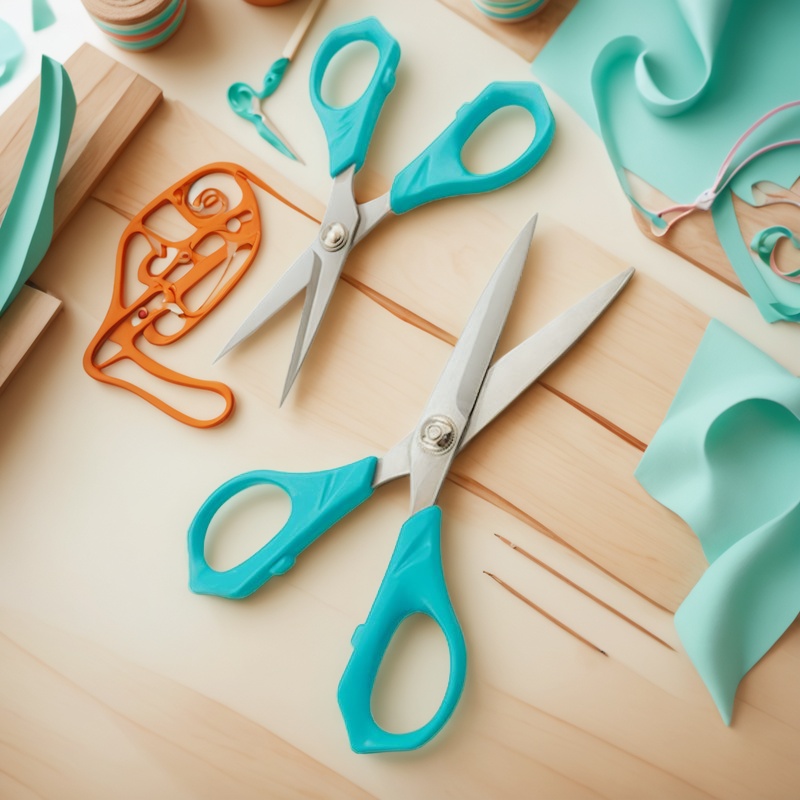
This guide explains how to choose scissors for sewing in a B2B context, what to ask a supplier, and how to compare options without relying on vague claims. The original product image is shown below for reference.
Key Takeaways
- Wholesale tailor scissors should be assessed by cutting purpose, handle comfort, blade alignment, packaging, and after-sales support.
- A two-scissor set can be useful when teams need one larger pair for fabric cutting and one smaller pair for trimming or detail work.
- Do not assume material grade, certifications, or testing results unless the supplier provides written documentation.
- Before bulk purchasing, request samples and test them on the fabrics your team actually cuts.
Why Tailor Scissors Matter in Professional Sewing
In textile work, a poor cut can lead to uneven seams, inaccurate pattern pieces, frayed edges, or wasted material. General-purpose office scissors are rarely suitable for repeated fabric cutting because they may crush fibers, drag through layered cloth, or become uncomfortable during long sessions.
Professional sewing environments often use several cutting tools at the same workstation. A larger pair may be used for long, smooth cuts on fabric panels, while a smaller pair can help with trimming threads, snipping notches, and working around tight corners. When buying at wholesale level, the goal is not only to find a sharp scissor; it is to choose a consistent tool that can be reordered, distributed, and maintained across multiple users.
What to Look for in Scissors for Sewing
The best tailor scissors for one buyer may not be the best for another. A sewing school, a fashion sample room, and a craft retail brand may each prioritize different features. However, several practical selection points apply to most wholesale purchases.
- Cutting role: Decide whether the scissors are mainly for fabric panels, thread trimming, pattern work, embroidery, or general craft use.
- Blade feel: A good sample should open and close smoothly without grinding, looseness, or blade crossing.
- Edge performance: Test on lightweight fabric, thicker fabric, and any specialty materials your team handles.
- Handle comfort: Check whether the grip fits different hand sizes and whether it remains comfortable during repeated cuts.
- Control: The scissor should feel stable at the tip as well as near the pivot, especially for detailed work.
- Appearance and color: A recognizable color, such as the aqua-colored set shown, can help teams separate fabric scissors from paper or utility scissors.
Comparing Common Tailor Scissor Options
Before selecting a wholesale SKU, compare the intended use of each scissor type. The table below provides a practical checklist for B2B buyers.
| Option | Best Use | What to Check Before Bulk Order |
|---|---|---|
| Larger fabric scissors | Long cuts through fabric and pattern pieces | Smooth blade movement, comfortable handle, clean cutting on target fabrics |
| Smaller detail scissors | Thread trimming, notches, corners, and small craft tasks | Tip accuracy, hand control, ease of use in tight areas |
| Two-piece scissor set | Teams needing one main cutting tool and one detail tool | Consistency between sets, packaging durability, replacement availability |
| Retail-ready sewing scissors | Craft stores, online shops, sewing kits, or gift bundles | Barcode needs, packaging design, labeling requirements, carton protection |
Wholesale Sourcing Questions to Ask Suppliers
When sourcing tailor scissors wholesale, buyers should avoid relying only on product photos. A supplier may describe a scissor as durable, sharp, or professional, but those words need to be supported by samples, specifications, and clear communication. Ask practical questions before making a purchasing decision.
- What materials are used for the blade and handle, and can the supplier provide written specifications?
- Is the product available as a single scissor, a two-piece set, or custom packaging for retail channels?
- Can samples be provided before a bulk order, and are sample costs or shipping fees charged?
- What is the minimum order quantity, and does it vary by color, packaging, or customization?
- What inspection process is used for blade alignment, sharpness, handle defects, and packaging condition?
- Can cartons be labeled according to warehouse or marketplace requirements?
- What are the payment terms, production lead time, and shipping options?
- How are damaged, defective, or inconsistent items handled after delivery?
These questions do not assume a supplier’s capacity or certification status. Instead, they help buyers collect the information needed to compare offers fairly.
Sample Testing Before a Wholesale Order
Sample testing is one of the most effective ways to reduce sourcing risk. Ask several staff members to use the sample scissors during normal work rather than testing them only for a few seconds. A scissor that feels fine at first may become uncomfortable after repeated cutting, or it may struggle with the fabrics most common in your production.
Create a simple internal test sheet. Record how the scissors perform on cotton, denim, lining, felt, synthetic fabrics, or any other materials relevant to your business. Note whether the blades snag, whether the tip cuts cleanly, and whether the handle causes pressure points. If you are buying for resale, also evaluate packaging, surface finish, color consistency, and how well the product would survive transport and shelf handling.
Packaging, Branding, and Inventory Considerations
Wholesale sewing tools often need more than a good product. For factories and studios, packaging should protect the blades and make warehouse handling easier. For retailers, presentation, labeling, and barcode placement may matter just as much as the scissor itself.
If private label or OEM packaging is required, confirm artwork format, color matching process, approval steps, carton quantities, and any extra cost. Do not assume that customization is available at every order size. For repeat purchasing, ask whether the same color and packaging can be supplied consistently, because small differences can create problems for retail listings or inventory records.
Care and Use Tips for Longer Service Life
Even good scissors perform poorly if they are misused. Fabric scissors should be kept separate from paper, cardboard, plastic ties, and general workshop cutting. In shared sewing rooms, labeling each pair or assigning scissors to specific stations can reduce damage.
- Wipe blades after use, especially when cutting lint-heavy or treated fabrics.
- Store scissors closed and protected to avoid tip damage.
- Keep them dry and away from corrosive materials.
- Do not force the blades through materials they are not designed to cut.
- Check the pivot regularly and remove scissors from use if they become loose, bent, or unsafe.
Practical FAQ
What is the advantage of buying tailor scissors wholesale?
Wholesale purchasing can help businesses standardize tools, manage inventory, and prepare for team-wide use or resale. The main benefit comes from consistent quality and reliable reordering, not simply from buying a large quantity.
Should I choose a scissor set or a single pair?
A set is practical when users need both long fabric cuts and small detail work. A single pair may be better if your team already has trimming tools or needs only one specialized function.
How can I judge the best tailor scissors before ordering?
Request samples, test them on your actual fabrics, inspect blade alignment, check hand comfort, and confirm packaging. Written supplier answers should match what the sample demonstrates.
Can I request OEM or private label packaging?
Possibly, but buyers should ask the supplier directly about minimum order quantity, artwork requirements, lead time, and added costs. Do not assume customization is included by default.
What details should be confirmed in writing?
Confirm material specifications, order quantity, packaging, inspection standards, delivery terms, payment terms, and the process for handling defects or shortages.
