




Tailor Scissors Yangjiang: A Practical B2B Sourcing Guide
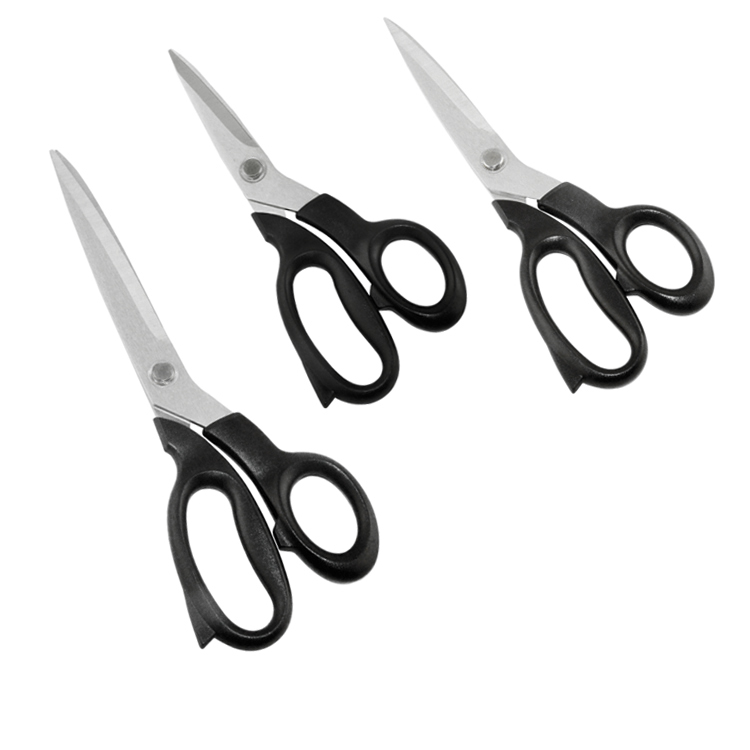
Yangjiang is widely associated with stainless steel tools and blade-making, which is why many importers, wholesalers, sewing brands, craft retailers, and promotional product buyers look there when sourcing tailor scissors. A good pair of tailor scissors should cut fabric cleanly, feel balanced in the hand, and remain reliable across repeated use. For B2B buyers, however, product performance is only one part of the decision. You also need to evaluate supplier communication, sample quality, packaging options, inspection standards, and the questions that should be answered before placing a bulk order.
This guide rewrites the basic product introduction into a more useful sourcing article. It focuses on what buyers can verify when considering stainless steel tailor scissors from Yangjiang, including blade construction, handle design, application fit, quality checks, and supplier discussions. It does not assume unverified specifications; instead, it highlights practical details buyers should confirm during sampling and quotation.
Key Takeaways
- Yangjiang tailor scissors are often sourced for sewing, craft, office, and general cutting applications.
- The original product presentation highlights stainless steel scissors, black-finished handles, and suitability for professional or personal use.
- B2B buyers should verify blade material, hardness, finish, handle construction, packaging, inspection criteria, and after-sales handling with the supplier.
- Sample testing on real fabric is essential before confirming a wholesale or OEM order.
Why Yangjiang Matters for Tailor Scissors Sourcing
Yangjiang has a long reputation for stainless steel household and cutting products. For buyers, this regional background can be useful because it suggests an established industrial cluster with experience in blades, kitchenware, hardware, and related metal products. That said, location alone should not be treated as proof of quality. Different factories, workshops, and trading companies may offer different levels of material control, finishing, assembly, and inspection.
When sourcing tailor scissors from Yangjiang, treat the region as a starting point rather than a guarantee. Ask whether the supplier manufactures the scissors directly or coordinates production through partner factories. Clarify who controls blade grinding, handle assembly, surface finishing, and final inspection. A responsive supplier should be able to explain the production route, provide clear photos or samples, and answer technical questions without relying only on general claims.
What to Check in Stainless Steel Tailor Scissors
The original article describes the scissors as stainless steel and suitable for tasks such as fashion tailoring, arts and crafts, professional use, personal use, and everyday office tasks. These are broad applications, so buyers should confirm whether the exact model is suitable for the materials their customers will cut most often. Lightweight craft fabric, denim, felt, paper, and packaging material place different demands on blade strength and edge retention.
Important product details to confirm include blade length, overall length, blade thickness, edge type, pivot construction, handle material, handle finish, product weight, and packaging format. If the supplier mentions stainless steel, ask for the specific grade or internal material standard. If hardness or corrosion resistance matters for your market, ask how those points are checked. Do not rely on attractive product photos alone; cutting performance is best evaluated with samples.
Handle Design, Comfort, and User Fit
The original content refers to stylish tailor scissors with black-finished handles and an ergonomic design. For end users, handle comfort affects accuracy and fatigue, especially during repeated cutting. For wholesalers and brand owners, handle design also influences perceived value on shelves and online listings. A handle that looks good but feels narrow, slippery, or poorly balanced can lead to returns and negative reviews.
During sample review, test the scissors with different hand sizes if possible. Check whether the handle edges feel smooth, whether the finger openings are comfortable, and whether the pivot action is too loose or too tight. Open and close the scissors repeatedly to feel for grinding, wobble, or uneven resistance. If the product is intended for professional sewing users, comfort and cutting control should be prioritized over decorative styling.
Comparison Checklist for Buyers
Use the following checklist when comparing tailor scissors samples or supplier quotations. It helps separate visible design from measurable sourcing details.
| Evaluation Point | What to Check | Questions to Ask the Supplier |
|---|---|---|
| Blade material | Stainless steel description, finish, edge consistency | What stainless steel grade or internal standard is used? |
| Cutting performance | Clean cutting on fabric, paper, thread, or target material | Can samples be tested before bulk order confirmation? |
| Pivot and assembly | Smooth opening, no excessive looseness, stable alignment | How is pivot tightness inspected during production? |
| Handle comfort | Grip size, smooth edges, balance, black finish consistency | What handle material and finishing process are used? |
| Packaging | Retail card, sleeve, box, barcode, labeling needs | What packaging options are available for wholesale or OEM? |
| Quality control | Appearance, sharpness, alignment, surface defects | What inspection criteria are used before shipment? |
How to Evaluate Samples Before a Bulk Order
Sample testing should be structured. Instead of simply cutting one piece of fabric, prepare a small test plan that reflects your customer base. A sewing retailer may test cotton, polyester, lining fabric, thread, and light denim. A craft distributor may test felt, ribbon, cardboard, paper, and packaging materials. An office supply buyer may care more about safe handling, smooth action, and durability in mixed-use environments.
- Inspect appearance first: check scratches, burrs, handle finish, blade symmetry, and packaging condition.
- Open and close each sample at least 30 times to assess smoothness and pivot stability.
- Cut straight and curved lines on your target materials to judge control and edge sharpness.
- Compare multiple samples from the same supplier to identify consistency, not just one good piece.
- Record issues with photos and notes so the supplier can respond clearly before quotation approval.
If you plan to sell under your own brand, also test how the scissors look in packaging and how easy they are to describe accurately in product listings. Avoid marketing statements that cannot be verified through supplier documentation or your own testing.
OEM, Wholesale, and Supplier Questions
For OEM or wholesale orders, commercial details should be confirmed directly with the supplier rather than assumed. Ask about minimum order quantity, lead time, carton packing, payment terms, private label options, sample fees, and whether artwork support is available for packaging. If your market requires specific labeling or compliance documentation, ask the supplier what documents they can provide and verify them through your own compliance process.
Buyers should also clarify how defects are handled. For example, what happens if a shipment includes scissors with uneven blade alignment, damaged handles, or inconsistent packaging? Agree on inspection criteria before production where possible. If third-party inspection is required, confirm when inspection can take place and what product standards will be used.
Use Cases and Product Positioning
Tailor scissors can be positioned for several channels, including sewing supplies, craft kits, school and office use, fabric shops, online marketplaces, and promotional tool sets. The right positioning depends on actual product performance. A model that cuts lightweight craft materials well may not be appropriate for heavy professional tailoring. A model with a visually appealing black handle may work well for retail display, but comfort and edge durability still need verification.
When writing product descriptions, keep claims specific and supportable. It is reasonable to describe the product as Yangjiang stainless steel tailor scissors if that is confirmed by the supplier and product documentation. Be cautious with broad phrases such as professional grade, premium quality, or long-lasting sharpness unless you have testing, specifications, or supplier documentation to support them.
FAQ
Are Yangjiang tailor scissors only for professional tailors?
No. The original product description mentions both professional and personal needs, including tailoring, arts and crafts, and everyday office tasks. Buyers should still match the model to the intended cutting materials.
What should I ask before buying wholesale tailor scissors?
Ask about blade material, handle material, sample availability, packaging options, minimum order quantity, lead time, inspection process, and how defects are handled after delivery.
How can I judge whether the scissors are sharp enough?
Test samples on the materials your customers will actually cut. Look for clean edges, smooth cutting from base to tip, and no fabric snagging or blade separation during use.
Can tailor scissors be customized for private label orders?
Customization may be possible, but it should be confirmed with the supplier. Ask about logo placement, packaging artwork, color options, sample approval, order quantity, and any tooling or setup requirements.
Is stainless steel always the best choice?
Stainless steel is valued for general durability and corrosion resistance, but performance depends on the exact material, heat treatment, blade geometry, and finishing. Ask the supplier for specific material details and test samples before ordering.
