




Tailor Shears Manufacturer: Wholesale & Custom Options
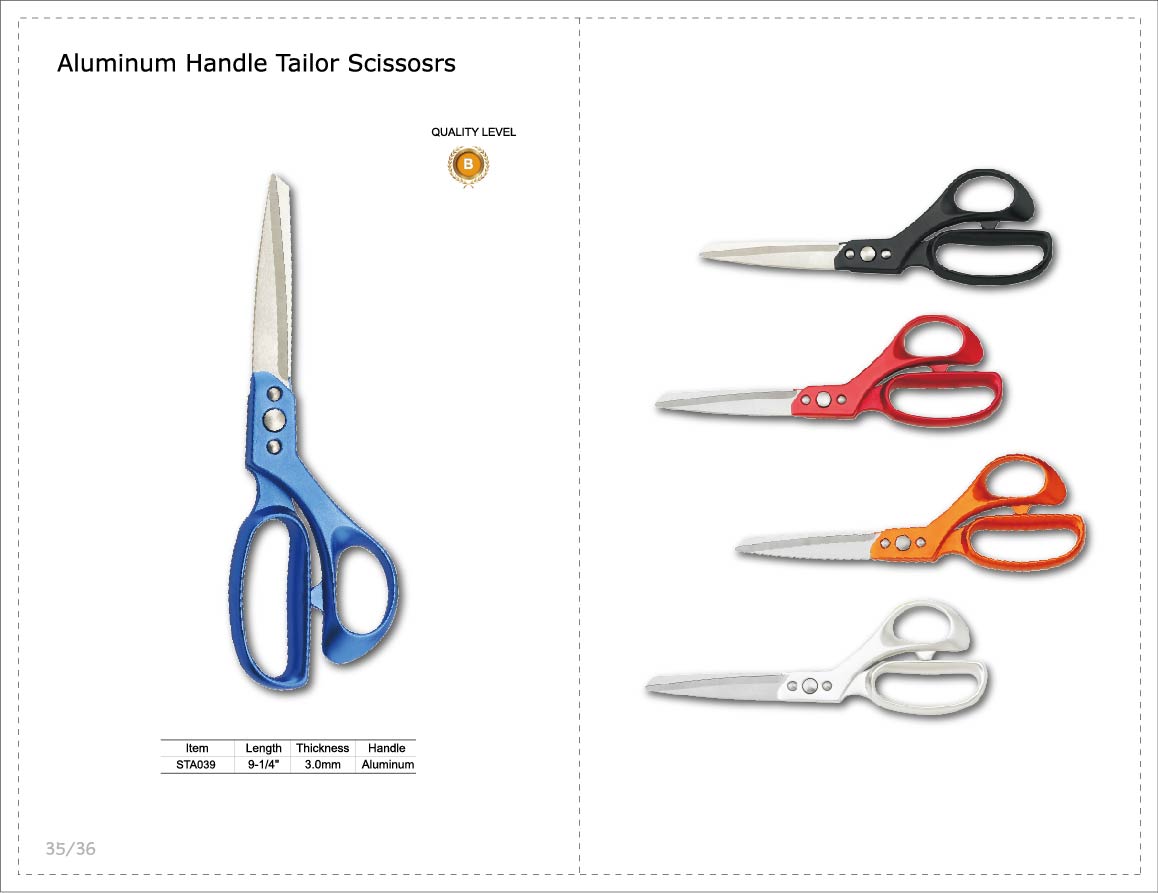
Choosing a tailor shears manufacturer is an important sourcing decision for apparel factories, textile workshops, upholstery teams, sewing schools, and retail brands. Tailor shears are not simple commodity items: blade sharpness, balance, handle comfort, consistency, packaging, and after-sales communication all affect how well the product performs in daily cutting work.
This guide explains how to compare wholesale and custom tailor shears options without relying on vague claims. It focuses on practical B2B sourcing questions buyers can use when evaluating a factory, trading partner, or OEM supplier.
Key Takeaways
- Wholesale tailor shears are best suited for buyers who need consistent supply, repeatable quality, and organized inventory planning.
- Custom tailor shears can support private label programs, retail differentiation, or specialized user requirements, but details should be confirmed before ordering.
- Buyers should ask suppliers about blade material, hardness, sharpening process, sample policy, packaging, inspection steps, lead time, and customization limits.
- A strong manufacturing partner should provide clear communication and realistic answers rather than unsupported promises.
Who Needs Wholesale Tailor Shears?
Wholesale tailor shears are commonly sourced by businesses that require multiple units with similar performance and appearance. Apparel manufacturers may need shears for cutting rooms and sample departments. Upholstery companies may need heavier cutting tools for fabric layers. Sewing schools and training centers often need durable tools for students. Retailers and distributors may source tailor shears as part of a broader sewing or craft product line.
The main benefit of wholesale sourcing is consistency. Buying from one supplier can help standardize handle design, blade finish, packaging style, and reorder process. For professional buyers, this can reduce time spent comparing scattered small-lot purchases and make quality issues easier to track.
Wholesale vs. Custom Tailor Shears
Not every buyer needs a custom program. A standard wholesale model may be enough when the goal is reliable supply at a defined quality level. Custom tailor shears become more relevant when a buyer wants brand engraving, a specific handle color, retail packaging, barcode labeling, or a differentiated product line.
| Option | Best For | Questions to Ask |
|---|---|---|
| Standard wholesale shears | Factories, schools, distributors, and general textile users | What materials are used? Are samples available? How is sharpness checked before shipment? |
| Private label packaging | Retailers and sewing brands | Can the supplier support logo, label, or packaging artwork? What files are required? |
| Custom handle or color | Brands seeking visual differentiation | Which colors or handle materials are available? Are there tooling or setup requirements? |
| Engraving or branding | Promotional, professional, or retail programs | Can branding be placed on the blade or handle? Can the supplier show a pre-production sample? |
What to Check Before Selecting a Manufacturer
A good sourcing process starts with clear product requirements. Instead of asking for the “best” shears, define the use case: cutting garment fabric, trimming patterns, working with upholstery textile, training students, or selling through retail channels. The supplier can then recommend suitable models and explain trade-offs.
When contacting a tailor shears manufacturer, consider asking for the following information:
- Blade material and whether the material grade can be documented.
- Available sizes and whether the size range matches your target users.
- Handle design options and whether left-hand or ergonomic versions are available.
- Sharpening and inspection steps used before packing.
- Sample availability and whether samples match mass production.
- Packaging choices, including bulk packing, retail card, box, or private label options.
- Lead time, order process, payment terms, and shipment handling.
- How quality concerns are handled after delivery.
Do not assume a supplier has a specific certification, test report, minimum order quantity, or production capacity unless they provide those details directly. For wholesale programs, written confirmation is better than verbal agreement.
Understanding Blade Quality and Cutting Performance
For professional textile users, cutting performance is the core requirement. A pair of tailor shears should cut cleanly through the intended fabric without excessive force, blade slipping, or rough edges. However, performance depends on several factors: blade geometry, grinding quality, material, heat treatment, pivot adjustment, and user maintenance.
Buyers should ask how the supplier controls these factors. For example, does the manufacturer inspect blade alignment? Are the shears checked for opening and closing smoothness? Is there a standard test fabric used during inspection? If the buyer requires a specific blade material such as stainless steel or high-carbon steel, that requirement should be written in the specification and confirmed by the supplier.
It is also useful to test samples with the actual fabrics your customers or workers use. Lightweight cotton, denim, wool, synthetic blends, leather-like upholstery materials, and layered fabric may all behave differently. A sample that feels excellent on one material may not be ideal for another.
Custom Tailor Shears: Branding and OEM Considerations
Custom tailor shears can help retailers and sewing brands build a recognizable product line. Common custom requests include logo engraving, branded packaging, special colors, instruction inserts, and bundled sewing kits. For OEM sourcing, clarity is essential. Provide artwork files, Pantone or color references if needed, packing requirements, barcode details, and any retail compliance information requested by your sales channel.
Before approving mass production, request a sample or pre-production confirmation showing the branding placement and packaging layout. Check spelling, logo position, color consistency, and whether the finished product matches the agreed specification. Small issues can become expensive if they are discovered after a full shipment is produced.
How to Compare Supplier Communication
Supplier communication is part of product quality. A reliable manufacturing partner should answer questions clearly, explain what can and cannot be customized, and identify risks early. Be cautious of responses that promise every feature without asking about the fabric use case, order quantity, packaging, or quality expectations.
Useful signs of a professional supplier include structured quotations, clear product photos, sample support, realistic lead-time discussion, and willingness to confirm details in writing. If the project includes wholesale distribution, ask whether the supplier can maintain the same model, packaging, and branding over repeat orders, or whether components may change over time.
Practical Checklist for Buyers
- Define the target market: factory use, classroom use, retail resale, or professional tailoring.
- Request samples and test them on real fabrics before placing a large order.
- Confirm product size, blade material, handle design, finish, and packaging in writing.
- Ask whether custom branding requires additional setup, artwork approval, or sample confirmation.
- Clarify inspection standards and how defects are reported and resolved.
- Plan reorder timing so stock is not dependent on urgent last-minute production.
FAQ
What is the difference between tailor shears and ordinary scissors?
Tailor shears are generally designed for fabric cutting tasks and often have longer blades and handles suited to controlled cutting on a work surface. Ordinary scissors may not provide the same cutting stability for textiles.
Can a manufacturer provide custom tailor shears with my logo?
Many suppliers offer branding options, but buyers should confirm available methods, placement, artwork requirements, sample approval, and any setup conditions before ordering.
Should I choose the cheapest wholesale tailor shears?
Price matters, but the lowest price may not provide the consistency required for professional use or retail resale. Compare sample quality, packaging, communication, and defect handling as well as unit cost.
What information should I send when requesting a quote?
Send the intended use, preferred size, quantity estimate, packaging needs, branding requirements, destination market, and any material or performance expectations. Clear requirements help the supplier respond accurately.
How can I reduce risk before a large order?
Start with samples, confirm written specifications, approve branding proofs, and discuss inspection expectations. For important programs, consider staged production or third-party inspection if appropriate for your business.
By approaching tailor shears sourcing with clear requirements and careful supplier questions, buyers can build a more stable wholesale or custom program and avoid common misunderstandings before production begins.
