




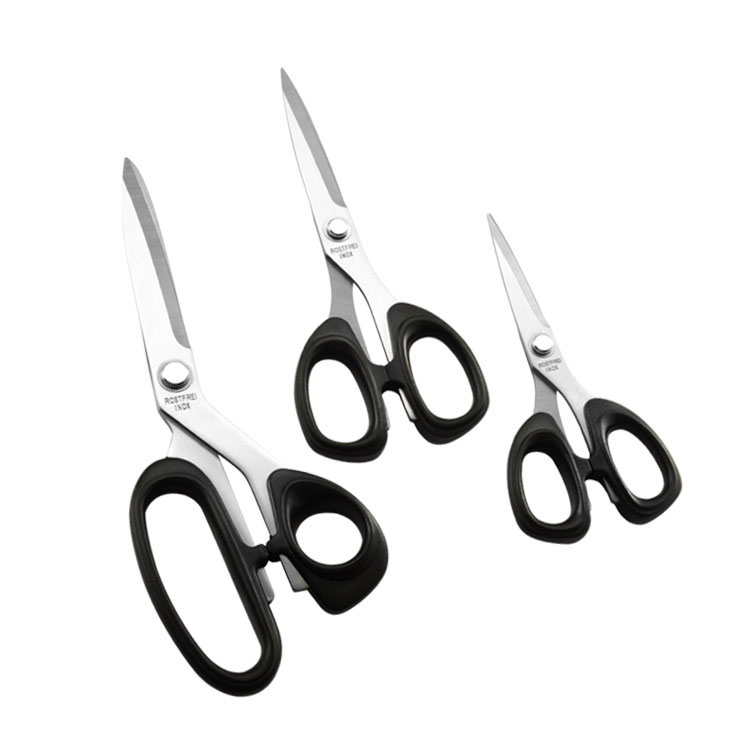
Tailor Shears OEM: Precision Ergonomic Scissors Explained
Tailor shears OEM sourcing is not only about placing a logo on a pair of scissors. For sewing brands, textile distributors, craft retailers, uniform suppliers, and promotional product buyers, the goal is to choose cutting tools that feel stable in the hand, cut cleanly, and match the intended user group. A good OEM project should define the scissor size, blade sharpness expectations, handle comfort, packaging, and inspection standards before production begins.
The original product information highlights several useful points: tailor scissors may be customized by size, blade sharpness, and ergonomic design; ergonomic handles can reduce fatigue during extended cutting; two-tone handles can provide a firm yet gentle grip; and stainless steel blades with precision-ground edges support cleaner cuts. This guide explains how B2B buyers can turn those product ideas into a clearer sourcing brief and a more reliable supplier conversation.
Key Takeaways
- Define the end user first: professional tailors, sewing students, home crafters, or retail consumers may need different sizes and handle designs.
- Ask suppliers specific OEM questions about blade edge, handle comfort, sample approval, packaging, and inspection procedures.
- Do not rely only on product photos; request samples and test them on the materials your customers actually cut.
- For ergonomic tailor scissors, evaluate comfort over repeated use, not just how the handle feels for the first minute.
What Tailor Shears OEM Means for Buyers
OEM, or original equipment manufacturing, generally means a supplier produces goods according to a buyer’s requested design, branding, packaging, or specification. In tailor shears, that may involve choosing sizes such as large, medium, or small scissors, selecting a handle color combination, adjusting the blade finish, or preparing branded packaging for wholesale channels.
Because scissors are hands-on tools, buyers should avoid vague requirements such as “good quality” or “professional grade” unless these terms are supported by measurable criteria. Instead, write a product brief that explains the target fabric type, the expected retail positioning, the handle style, whether right- and left-handed use is important, and how the scissors should be packed. If commercial details such as minimum order quantity, lead time, material grade, or compliance documentation matter to your project, ask the supplier directly and request written confirmation.
Ergonomic Tailor Scissors: What to Evaluate
Ergonomic tailor scissors are designed around the natural curve of the hand. The practical benefit is improved control and less hand fatigue during longer cutting sessions. This is especially relevant for tailors, sewing workshops, sample rooms, upholstery work, and education kits where the scissors may be used repeatedly throughout the day.
The original article notes a two-tone handle design that provides a firm and gentle grip and can accommodate both right- and left-handed users. When sourcing, confirm how the handle is shaped and whether the model is truly ambidextrous or simply usable by either hand. A handle that feels comfortable to one buyer may not fit all users, so sample testing with several people is valuable.
Sharp Blades and Cutting Performance
Sharp tailor scissors are essential for clean cuts in fabric and sewing projects. Dull or uneven blades can snag material, create jagged edges, and slow down production. The original product description refers to rust-free stainless steel, long-lasting sharpness, and precision-ground edges. These are helpful starting points, but a buyer should still ask how the supplier defines sharpness and how consistency is checked.
For practical testing, cut common materials that match your market: cotton fabric, denim, felt, pattern paper, thread, or lightweight craft materials. Check whether the shears cut smoothly from the base of the blade to the tip. Also test the pivot tension: scissors that are too loose may feel unstable, while scissors that are too tight can increase hand fatigue.
Comparison Checklist for OEM Tailor Shears
| Selection Area | What to Check | Questions to Ask the Supplier |
|---|---|---|
| Blade performance | Clean cut, tip precision, edge consistency | How are the blades ground and inspected before shipment? |
| Material statement | Stainless steel description and finish | What exact material grade is used, and can it be confirmed in writing? |
| Handle comfort | Grip shape, pressure points, left/right-hand usability | Is the handle designed for both right- and left-handed users? |
| Size range | Large, medium, or small scissors for different tasks | Which sizes are available for OEM customization? |
| Branding and packaging | Logo placement, color, retail box, hang card, bulk pack | What artwork files and packaging specifications are required? |
| Quality control | Sample approval and pre-shipment inspection | What inspection steps are used, and can buyers define AQL or test criteria? |
Building a Clear OEM Specification
A strong specification reduces misunderstandings and helps suppliers quote accurately. Start with the intended use, then list the details that influence cost and performance. If you are sourcing a set, specify whether it includes large, medium, and small scissors and explain the cutting role of each size.
- Identify the buyer channel: wholesale, retail, sewing kit, craft brand, or professional workshop supply.
- Define the main cutting materials and expected frequency of use.
- Choose the size range and handle style, including color preferences if needed.
- Request information on blade material, edge process, pivot construction, and packaging options.
- Approve physical samples before confirming bulk production.
- Set inspection requirements for appearance, cutting feel, labeling, and packaging condition.
If the supplier offers adjustable features or custom combinations, ask which changes are standard and which require new tooling. This is important because handle molds, custom colors, and branded packaging may affect cost, timing, and minimum order requirements.
Sample Testing Before Wholesale Orders
Never judge tailor shears OEM options by catalog descriptions alone. Samples reveal details that photos do not: blade alignment, comfort, pivot smoothness, surface finish, and packaging durability. If several departments or customer groups will use the product, have multiple people test the samples to avoid relying on one opinion.
A simple test plan can include repeated straight cuts, curved cuts, tip cuts, and thread snips. After testing, inspect whether the blades remain aligned and whether the handle causes pressure on the thumb or fingers. For retail buyers, also review how the product looks in its package and whether the labeling is clear for consumers.
Supplier Questions for B2B Sourcing
Before placing an OEM order, prepare a question list. This helps compare suppliers fairly and prevents assumptions. Useful questions include:
- What scissor sizes are available, and can they be combined into custom sets?
- What handle designs and color options can be produced without new tooling?
- What blade material is used, and how is rust resistance described or tested?
- Can the supplier provide pre-production samples for approval?
- What packaging formats are available for wholesale, retail, or e-commerce shipping?
- What are the current MOQ, lead time, payment terms, and artwork requirements?
- What inspection process is used before shipment?
Keep answers in writing, especially when they concern specifications, packaging, labeling, and delivery terms. Written confirmation protects both buyer and supplier and makes repeat orders easier.
Practical FAQ
Are tailor shears and regular scissors the same?
No. Tailor shears are typically selected for fabric cutting and sewing work, where clean, controlled cuts matter. Regular household scissors may not provide the same comfort or cutting control for textile use.
What should I test first in an OEM tailor scissors sample?
Start with cutting performance, blade alignment, handle comfort, and pivot movement. Test on the actual materials your customers will cut, not only on thin paper.
Can OEM tailor shears be made for both right- and left-handed users?
The original product information notes a handle design that accommodates both right- and left-handed users. For any OEM order, confirm this with samples and supplier documentation because handle geometry can vary by model.
What details should be confirmed before bulk production?
Confirm size, blade material description, handle design, color, logo placement, packaging, sample approval status, inspection criteria, MOQ, lead time, and shipping terms.
How can buyers avoid overpaying for unnecessary features?
Match the specification to the customer. A sewing school kit, a retail craft set, and a professional tailoring tool may each require different size options, packaging, and comfort expectations. Define the use case before requesting quotations.
Tailor shears OEM sourcing works best when product comfort, cutting performance, and supplier communication are evaluated together. With clear specifications and practical sample testing, buyers can choose scissors that fit their market instead of relying on generic claims.
