




Tailoring Scissors Supplier: How to Source Precision Cutting Tools
Finding the right tailoring scissors supplier is not just a matter of choosing a sharp-looking product photo. For retailers, sewing kit brands, uniform makers, craft distributors, and promotional buyers, scissors affect user satisfaction, return rates, and brand trust. A good pair should cut cleanly, feel stable in the hand, and hold up through repeated fabric work. A weak sourcing process can lead to inconsistent edges, uncomfortable handles, poor packaging, or unclear after-sales support.
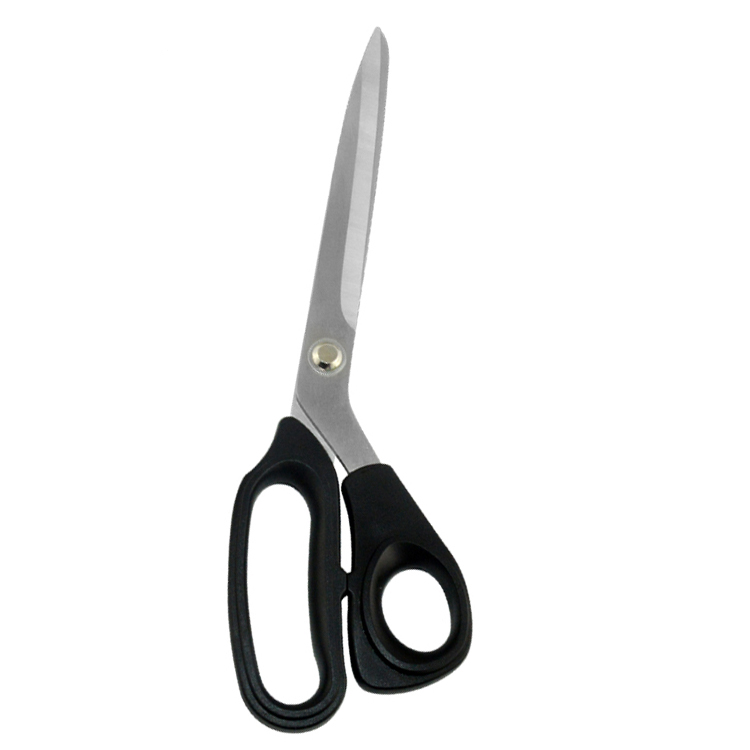
The original product information highlights stainless steel blades, ergonomic handles, a sleek design, and a swivel pivot joint for smooth operation. Those are useful starting points, but B2B buyers should still verify the details through samples, supplier questions, and inspection criteria. This guide explains how to compare a tailoring scissors supplier, what to ask a tailor shears manufacturer, and how to choose fabric scissors for wholesale or OEM projects without relying on vague claims.
Key Takeaways
- Confirm the blade material, edge sharpness, pivot quality, and handle comfort with physical samples before placing a bulk order.
- Ask suppliers how they control consistency, packaging, labeling, and replacement handling rather than assuming every batch matches the sample.
- Match the scissors to the target user: professional tailoring, home sewing, craft retail, or bundled sewing kits may need different designs.
- Do not rely only on terms such as precision or elegance; translate them into measurable checks, photos, samples, and written specifications.
Understand the Search Intent Before Comparing Suppliers
Buyers searching for a tailoring scissors supplier usually want more than a single product listing. They may need wholesale sewing scissors for retail shelves, OEM packaging for a private label, or a dependable fabric scissors supplier for ongoing replenishment. The buying decision often involves both product performance and commercial reliability.
Before requesting quotations, define the intended sales channel and user profile. A professional tailor may value long cutting strokes and stable blade alignment. A home craft user may care more about comfort, safety, and easy packaging instructions. A gift or sewing kit buyer may need compact dimensions and attractive presentation. Clear positioning helps suppliers recommend a suitable model instead of offering the lowest-cost option first.
Product Features to Check in Tailoring Scissors
Tailoring scissors are judged by how they cut fabric, how long the edge remains useful, and how comfortable they feel after repeated use. The source article mentions stainless steel blades, ergonomic handles, lightweight comfort, and a swivel pivot joint. These points can be useful, but they should be verified in a sample review rather than treated as automatic guarantees.
When testing samples, cut different fabrics in long, steady movements. Look for pulling, snagging, blade separation, or uneven pressure near the tip. Open and close the scissors repeatedly to check whether the pivot feels smooth or loose. Inspect the handle edges for roughness because small discomfort becomes more noticeable during long sewing or pattern-cutting sessions.
Supplier Comparison Checklist
A structured checklist makes it easier to compare a tailoring scissors supplier or tailor shears manufacturer objectively. Use the table below when reviewing quotes, samples, and commercial communication.
| Evaluation Area | What to Check | Questions to Ask the Supplier |
|---|---|---|
| Blade performance | Clean cutting, alignment, edge finish, tip accuracy | How is sharpness checked before shipment? |
| Material information | Stainless steel claim, surface finish, corrosion resistance expectations | What blade material is used, and can it be written in the specification? |
| Handle comfort | Grip shape, smooth edges, hand fit, left or right-hand suitability | Are alternative handle colors or designs available for OEM orders? |
| Pivot quality | Smooth opening, stable tension, no wobble | Is the pivot adjustable, fixed, or assembled to a set tension standard? |
| Packaging | Retail card, box, sleeve, barcode area, safety protection | Can packaging artwork, labeling, and inner carton details be confirmed before production? |
| Batch control | Consistency between sample and mass production | What inspection steps are used during and after production? |
How to Evaluate a Tailor Shears Manufacturer
A tailor shears manufacturer should be able to discuss more than price. For B2B sourcing, responsiveness and detail matter. If a supplier cannot clearly answer questions about blade material, handle options, packaging, sample lead time, inspection approach, or replacement policy, the buyer may face problems after payment or shipment.
Ask for current product photos, sample availability, packaging options, and written specifications. If OEM or private label work is required, clarify what customization is possible and what limitations apply. Do not assume minimum order quantity, tooling fees, certification status, or delivery time. These commercial details should be confirmed directly for each order and written into the purchase agreement.
Sample Testing Before Wholesale Orders
Sample testing is one of the most practical ways to reduce sourcing risk. Request samples that represent the exact model, handle color, packaging style, and any requested branding. If the sample is handmade or specially selected, ask whether mass production will follow the same specification and inspection process.
- Test cutting performance on light cotton, denim-like fabric, and synthetic material if relevant to your customers.
- Check the first cut, middle blade section, and blade tip separately because each area may perform differently.
- Open and close the scissors many times to feel pivot consistency and handle pressure.
- Inspect packaging for blade protection, retail display suitability, and shipping durability.
- Record sample weight, dimensions, color, finish, and any markings so the approved standard is clear.
OEM, Wholesale, and Packaging Questions
For wholesale sewing scissors, packaging can be as important as the product itself. Retail buyers may need hang holes, barcode space, warning text, or multilingual instructions. Online sellers may prefer compact packaging that protects the blade during parcel delivery. Promotional buyers may focus on logo placement and consistent appearance.
Useful supplier questions include: Can the product be supplied with neutral packaging? Are private label cartons or retail cards available? What file format is needed for artwork? Will the supplier provide a pre-production packaging proof? How are cartons labeled for warehouse receiving? These questions keep the discussion practical and reduce misunderstandings before production starts.
Common Sourcing Risks and How to Reduce Them
The most common risk is approving a sample that performs well, then receiving a bulk order with inconsistent sharpness or different packaging. Reduce this risk by documenting the approved sample, agreeing on inspection criteria, and requesting production photos or pre-shipment checks where appropriate.
Another risk is vague wording. Terms such as high-grade material, professional quality, and durable edge sound reassuring but are not enough for purchasing. Convert them into clear details: blade material, surface treatment if provided, handle material if provided, pivot type, packaging method, and acceptable defect limits. If any information is not available, ask the supplier to confirm what can be guaranteed and what cannot.
FAQ
What should I ask a tailoring scissors supplier first?
Start with the product specification, sample availability, packaging options, and inspection process. Then ask about OEM labeling, order terms, and how the supplier handles quality issues after delivery.
Are stainless steel blades always the best choice?
The source product mentions stainless steel blades, which are commonly valued for durability and clean cutting. However, buyers should still confirm the exact material description, finish, and performance expectations with the supplier.
How can I judge whether fabric scissors are suitable for professional users?
Test clean cutting on relevant fabrics, check stability at the pivot, review handle comfort during repeated use, and confirm that the blade tip cuts accurately without snagging.
Can I order tailoring scissors with private label packaging?
Possibly, but do not assume it is available for every order. Ask the supplier about artwork requirements, packaging types, sample approval, minimum order quantity, and any additional costs.
What is the best way to avoid quality differences between samples and bulk goods?
Keep a signed or clearly documented approved sample, write the key specifications into the order, request production confirmation, and define inspection checks before shipment.
