




Tailoring Scissors Wholesale: How to Source Practical Cutting Tools for Sewing Markets
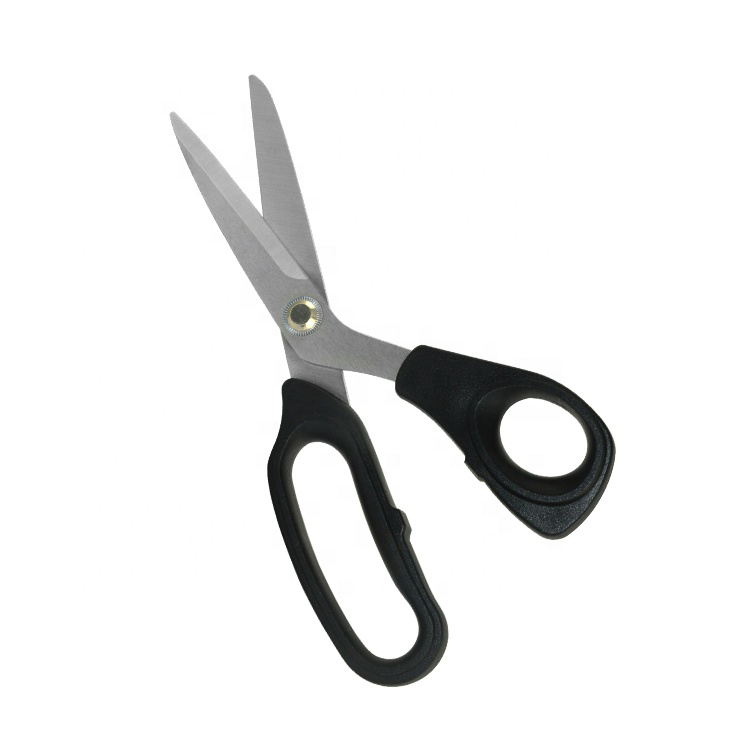
Tailoring scissors are basic tools, but buying them wholesale requires more than choosing a sharp-looking product photo. Retailers, sewing kit brands, craft distributors, uniform suppliers, textile workshops, and promotional product buyers all need scissors that match their users, packaging expectations, and after-sales standards. A good sourcing process looks at cutting performance, handle comfort, appearance, supplier communication, and consistency from batch to batch.
The original product description highlights several useful points: high-grade stainless steel blades, ergonomic handles, a sleek matte black finish, and a dynamic pivot for controlled cutting. These are practical features to discuss with a fabric scissors supplier. However, professional buyers should still verify details such as blade thickness, handle material, packaging, quality control steps, and whether OEM or private-label options are available for the intended market.
Key Takeaways
- Wholesale tailoring scissors should be evaluated by cutting feel, blade alignment, comfort, finish quality, and packaging suitability.
- Do not rely only on general claims such as “sharp” or “professional”; ask suppliers for measurable details and samples.
- High-grade stainless steel blades, ergonomic handles, matte black finish, and dynamic pivot are useful features to confirm before ordering.
- For OEM or wholesale programs, ask about branding options, inspection procedures, carton information, lead time, and replacement policy.
What Buyers Mean by Tailoring Scissors Wholesale
Tailoring scissors wholesale usually refers to bulk purchasing of scissors designed for fabric cutting, sewing work, craft use, or workshop distribution. The buyer may be reselling under a retail brand, adding scissors to sewing sets, supplying vocational training programs, or equipping textile employees. Each situation requires a slightly different product brief.
For example, a retail craft store may care about shelf-ready packaging and visual finish. A uniform factory may focus on durability, comfort, and easy reordering. An online sewing brand may need consistent product photography, barcode labeling, and clear after-sales support. Before contacting suppliers, define the target user, expected cutting material, preferred size range, packaging style, and price segment. This prevents vague quotations and makes sample comparison much easier.
Important Features to Check Before Ordering
Tailor cutting scissors should open and close smoothly, cut cleanly near the tip, and feel stable when cutting longer fabric lines. The source article mentions stainless steel blades and a dynamic pivot, both of which relate to cutting control. Buyers should ask the supplier to clarify the blade material, hardness target if available, sharpening method, and whether the pivot tension can be adjusted or checked during inspection.
Handle design is equally important. Ergonomic handles may reduce fatigue during repeated use, but comfort depends on hand size, grip shape, handle coating, and scissor weight. If the scissors will be sold to home sewing users, comfort and appearance may influence reviews. If they are used in workshops, grip stability and long-session handling become more important.
Comparison and Sourcing Checklist
| Item to Compare | Why It Matters | Questions to Ask the Supplier |
|---|---|---|
| Blade material | Affects sharpness, corrosion resistance, and long-term cutting feel. | What stainless steel is used, and how is blade quality checked? |
| Cutting performance | Fabric scissors should cut smoothly from heel to tip without snagging. | Can samples be tested on cotton, denim, felt, or the buyer’s target material? |
| Pivot structure | A stable pivot supports controlled cutting and alignment. | Is the pivot adjustable, and how is smooth action verified? |
| Handle comfort | Repeated cutting can cause fatigue if the grip is poorly shaped. | What handle material and size options are available? |
| Finish and appearance | A matte black finish may suit modern retail or studio positioning. | How is the finish protected during packing and shipping? |
| Packaging | Packaging affects retail display, shipping protection, and branding. | Are blister cards, boxes, labels, or custom packaging available? |
| Quality control | Consistency is essential for wholesale resale and repeat orders. | What inspection steps are used before shipment? |
How to Evaluate Samples Like a Professional Buyer
Sample testing should be structured. Instead of cutting one piece of fabric and making a quick decision, prepare several materials and repeat the same tests for each supplier. Check whether the scissors cut cleanly at the blade base, middle, and tip. Listen for grinding or uneven movement. Look for blade gaps when the scissors are closed. Inspect the handle edges, surface finish, screw or pivot area, and any packaging marks.
- Cut a single layer of light fabric and note whether the tip catches or pushes the material.
- Cut multiple layers of medium fabric to test stability and hand comfort.
- Open and close the scissors repeatedly to check smoothness and pivot consistency.
- Inspect the blade edge under strong light for burrs, chips, or uneven sharpening.
- Record sample results with photos so purchasing, sales, and quality teams can compare feedback.
OEM, Branding, and Wholesale Questions
If the goal is private label or OEM sourcing, commercial details should be confirmed directly with the supplier rather than assumed. Ask whether logo marking is possible, which areas can be branded, what artwork files are required, and whether packaging customization is supported. Also ask about minimum order quantity, sample cost, production lead time, carton size, payment terms, and spare or replacement handling. These details can change by model, packaging, and order plan.
Buyers should also clarify what is included in the quotation. Does the price include inner packaging? Is the product supplied with hang tags, protective sleeves, or retail cards? Are export cartons designed for long-distance shipping? What inspection standard will be used before shipment? A clear quotation reduces misunderstanding and helps compare suppliers fairly.
Matching Scissors to the Right Market
Not every tailoring scissor is suitable for every channel. A sleek matte black finish may be attractive for online craft retail, designer workspaces, and giftable sewing tools. A workshop buyer may prefer a practical finish that resists visible wear and is easy to identify on cutting tables. A sewing kit buyer may prioritize compact size, safe packaging, and consistent cost.
For fabric-focused users, avoid positioning general-purpose scissors as professional tailoring tools unless sample tests support that claim. If the scissors are intended to cut paper, thread, light fabric, or heavier materials, state those uses clearly in product listings and instructions. Accurate positioning helps reduce complaints and improves customer trust.
Care and Handling Guidance for End Users
Even good scissors perform poorly when misused. Wholesale buyers can improve customer satisfaction by including simple care instructions in packaging or online listings. Recommend keeping fabric scissors separate from paper or wire cutting, wiping blades dry after use, storing them closed, and checking pivot tightness if the design allows. If the product has a special finish, users should avoid harsh abrasives that may scratch the surface.
For retailers, these care notes can be part of product pages, insert cards, or staff training. Clear guidance supports better user experience without making unsupported performance claims.
Practical FAQ
What should I ask before buying tailoring scissors wholesale?
Ask about blade material, handle material, pivot design, available sizes, packaging, branding options, quality inspection, lead time, minimum order quantity, and sample availability. Request physical samples before committing to a larger order.
Are stainless steel blades enough to guarantee good cutting?
No. Stainless steel is only one factor. Edge geometry, sharpening quality, blade alignment, pivot tension, and final inspection all affect cutting performance. Test samples on the materials your customers will actually cut.
Can tailoring scissors be used for paper?
Some scissors may cut paper, but frequent paper cutting can dull blades intended for fabric. If customers need fabric performance, advise them to keep a dedicated pair for textile use.
How can I compare two fabric scissors suppliers fairly?
Use the same test materials, the same number of cuts, and the same inspection checklist. Compare not only the scissors, but also supplier response time, quotation clarity, packaging quality, and willingness to answer technical questions.
Should I choose matte black tailoring scissors for my product line?
A matte black finish can work well for modern retail presentation, sewing studios, and craft audiences. Confirm finish durability, packing protection, and sample appearance before selecting it for a wholesale program.
