




Tailoring Shears Wholesale: Precision and Quality
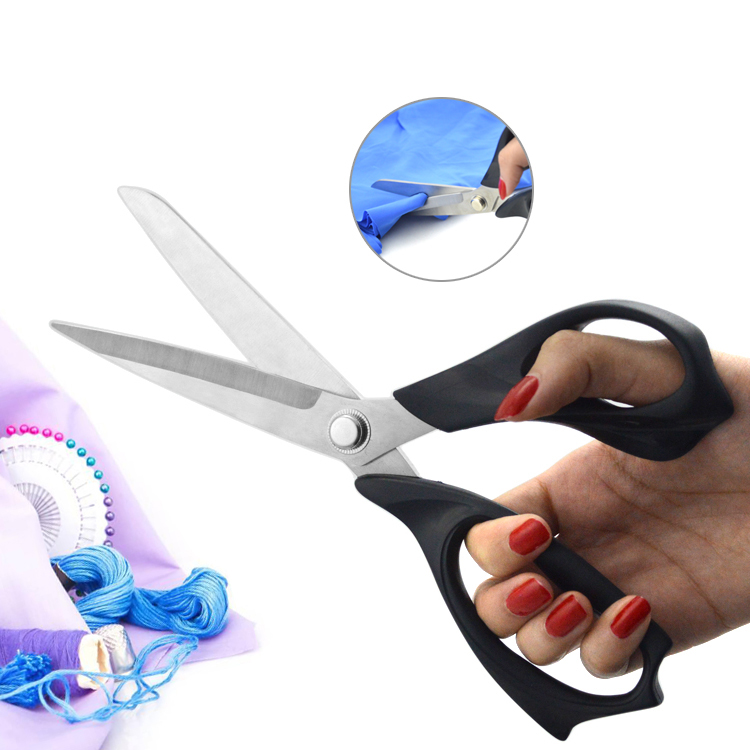
For apparel workshops, tailoring studios, fabric retailers, uniform makers, craft brands, and sewing kit distributors, tailoring shears are not a minor accessory. They influence cutting accuracy, operator comfort, fabric waste, and the end user’s perception of tool quality. Buying tailoring shears wholesale can reduce procurement complexity, but only when buyers know how to evaluate the product and the supplier behind it.
This guide explains how to approach wholesale sourcing with a practical checklist. It focuses on questions to ask, details to inspect, and common trade-offs, rather than relying on broad claims. The original product presentation highlights professional scissors with a stainless steel blade and black ergonomic handle; those are useful starting points, but buyers should still verify performance through samples and supplier documentation before placing larger orders.
Key Takeaways
- Wholesale tailoring shears should be assessed by cutting performance, comfort, finish, consistency, and supplier communication.
- Factory-direct sourcing may improve control over specifications, but buyers should confirm MOQ, lead time, packaging, and quality inspection processes.
- Stainless steel blades and ergonomic handles are helpful features when they are supported by sample testing and clear product specifications.
- Do not approve a bulk order based only on photos; test samples on the fabrics your customers actually cut.
Why Wholesale Tailoring Shears Require Careful Selection
Tailoring shears are used differently from general household scissors. Professional users often cut long lines, curves, notches, linings, denim, cotton blends, wool, or layered fabric. A weak pivot, uncomfortable handle, rough blade edge, or inconsistent grinding can quickly become a production problem. For retailers and distributors, inconsistent scissors also create returns and reputation risk.
Wholesale sourcing should therefore balance price with measurable usability. The lowest unit cost is rarely the best value if the shears arrive with uneven tension, dull points, poor alignment, or packaging that does not protect the blade during transit. Buyers should define what “acceptable” means before contacting a tailoring scissors factory or trading supplier.
Factory-Direct vs. Trading Supplier: What to Compare
Buying factory-direct can offer clearer communication on specifications and customization, especially for OEM packaging or handle color requests. A trading supplier, however, may offer broader assortment and simpler mixed-product purchasing. Neither option is automatically better; the right choice depends on your order size, quality control needs, and internal sourcing resources.
| Checklist Item | Factory-Direct Questions | Trading Supplier Questions |
|---|---|---|
| Product consistency | How is blade sharpness, alignment, and pivot tension checked before packing? | Are all units from the same production batch or mixed sources? |
| Customization | Can you support logo, packaging, handle color, or set configuration? | Which customization options are actually controlled by the supplier? |
| Commercial terms | What are the MOQ, sample fee, lead time, payment terms, and reorder lead time? | Can smaller trial orders be arranged before bulk purchasing? |
| Documentation | Can you provide product specifications and inspection criteria? | Can you provide consistent product information for every shipment? |
| After-sales handling | How are defects, shortages, or packaging damage reported and resolved? | Who is responsible if the factory and seller disagree on a quality issue? |
Product Features Buyers Should Verify
The original article describes tailoring scissors with a stainless steel blade and a black ergonomic handle. Those features are relevant for B2B buyers, but they should be confirmed in writing and tested in hand. Stainless steel can help with corrosion resistance, but buyers should ask which material is used, what hardness or finishing process applies if available, and how edge retention is checked. If the supplier cannot provide those details, sample testing becomes even more important.
Handle comfort is another key point. An ergonomic handle should reduce strain and improve control during repeated cutting, but comfort depends on hand size, grip shape, weight balance, and the smoothness of the inner handle edges. When sampling, ask multiple users to test the same shears, because a buyer’s office evaluation may not reflect workshop conditions.
How to Test Samples Before a Bulk Order
A sample should be tested as close as possible to real customer use. If your customers are tailors, test long straight cuts and curves on common garment fabrics. If you sell sewing kits, test the product after repeated opening and closing. If your buyers cut heavier textiles, evaluate whether the blade maintains control without forcing the wrist.
- Inspect the surface finish, blade tip, handle molding, and screw or pivot area for visible defects.
- Open and close the shears repeatedly to check smoothness, noise, looseness, or sticking.
- Cut lightweight fabric, medium cotton, and a thicker fabric if that matches your target market.
- Check whether the blades cut cleanly from heel to tip, not only in the middle section.
- Record any hand fatigue, pressure points, or slipping during longer cutting sessions.
- Compare multiple samples, not just one piece, to identify consistency issues.
OEM, Packaging, and Wholesale Presentation
For private label and retail distribution, packaging can matter almost as much as the tool itself. Buyers should ask whether the supplier can provide neutral packaging, branded packaging, hanging cards, barcode labels, instruction inserts, or carton markings. Do not assume these services are included in the quoted price. Clarify artwork requirements, file formats, approval steps, and whether pre-production packaging samples are available.
When selling to professional users, packaging should protect the blade and communicate the intended use clearly. A clean product label, safe blade cover, and accurate description can reduce confusion. Avoid exaggerated claims on packaging unless the supplier can support them with written specifications or test records.
Quality Control Points for Bulk Shipments
Before shipping, agree on inspection points with the supplier. For tailoring shears, useful checks include blade alignment, cutting performance, handle defects, rust or stains, pivot stability, packing condition, quantity, and carton labeling. If you use a third-party inspection company, provide a clear checklist and acceptable quality limits. If the supplier handles inspection internally, ask how many pieces are checked and what happens when defects are found.
Buyers should also keep approved samples. A signed or photographed reference sample helps resolve disputes when the bulk shipment differs in weight, finish, handle color, sharpness, or packaging. For repeat orders, confirm whether the same specification and packaging will be used again.
Questions to Ask a Tailoring Scissors Supplier
- What blade material is used, and can it be stated on the quotation or specification sheet?
- What sizes, handle colors, and packaging options are available?
- What is the MOQ for standard items and customized orders?
- How long does sampling take, and are sample costs refundable after bulk order placement?
- What quality checks are performed before packing?
- Can replacement or credit terms be agreed for confirmed defects?
- How should the product be stored to reduce moisture or transit damage risk?
Practical FAQ
Are stainless steel tailoring shears always the best choice?
Stainless steel is a useful feature because it can help resist corrosion, but performance depends on blade geometry, edge finishing, pivot quality, and overall construction. Buyers should test samples rather than judge by material wording alone.
Should I choose factory-direct tailoring shears?
Factory-direct sourcing may be suitable if you need stable specifications, OEM packaging, or repeat orders. If you need small mixed quantities, a trading supplier may be more flexible. Compare total value, not only unit price.
How many samples should a buyer test?
Testing one sample is better than none, but several samples from the same batch give a clearer picture of consistency. For important orders, test samples with real users in sewing or cutting conditions.
What details should be confirmed before payment?
Confirm product size, blade material, handle color, packaging, quantity per carton, MOQ, lead time, payment terms, inspection method, shipping terms, and how defects will be handled.
Can tailoring shears be customized for a private label?
Many suppliers may offer logo or packaging options, but capabilities vary. Ask for artwork requirements, MOQ, sample approval process, added cost, and production lead time before committing.
Final Sourcing Advice
Wholesale tailoring shears should be purchased with the same discipline used for any professional tool. Start with a clear target user, request precise product information, test samples on real fabrics, and document every agreed detail before bulk production. Bonet Houseware presents professional tailoring scissors for business buyers, including a stainless steel blade and black ergonomic handle as stated in the original product description. For any wholesale order, the safest next step is to ask the supplier for current specifications, commercial terms, sample availability, and quality control procedures, then verify the product against your own market requirements.
