




Tailoring Tools OEM: How to Source Precision Scissors by Rostfrei
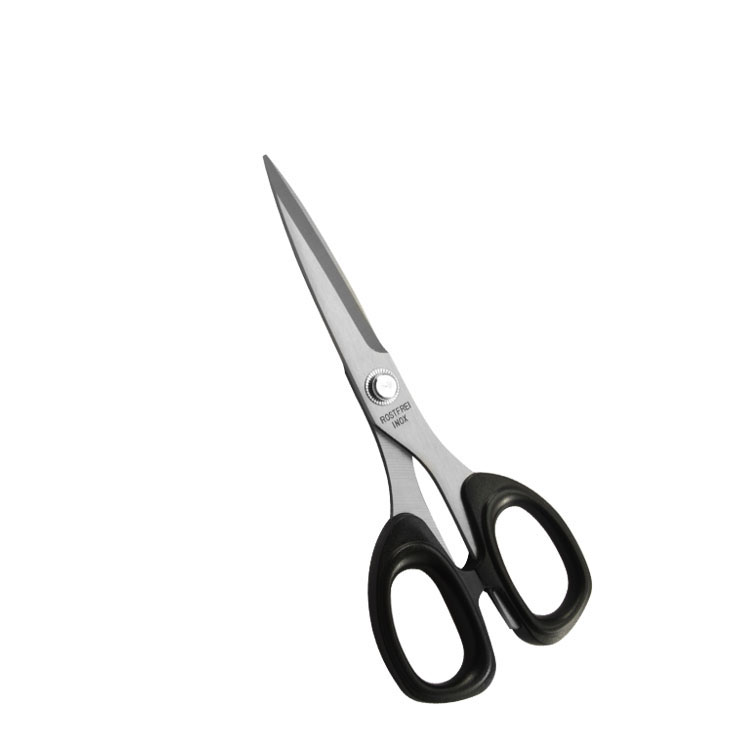
For apparel brands, sewing-kit distributors, craft retailers and workshop buyers, scissors are not a minor accessory. A poorly selected cutting tool can slow production, damage fabric edges and increase returns from professional users. This is why tailoring tools OEM sourcing should be treated as a product-quality decision, not only a price comparison.
The original product introduction highlights the Rostfrei NXX Precision Scissors as a stainless steel cutting tool for paper and intricate fabric work, with rust resistance, enduring sharpness, ergonomic handles and a matte black finish. Those are useful starting points. However, professional B2B buyers should still verify details through samples, drawings, inspection criteria and packaging requirements before placing an OEM or wholesale order.
Key Takeaways
- Confirm the exact stainless steel specification, blade hardness and finish before approving production.
- Request samples and test them on the fabrics or materials your customers actually cut.
- Evaluate handle comfort, blade alignment, pivot tension and packaging, not only appearance.
- For OEM projects, ask suppliers which branding, packaging and quality-control options are available.
What Buyers Should Know About Rostfrei NXX Precision Scissors
The Rostfrei NXX Precision Scissors are presented as a professional cutting tool suitable for tailoring, crafting and paper cutting. The product is described as being made with high-grade stainless steel and designed for rust resistance and lasting sharpness. It also features ergonomic handles with a matte black finish, which can be important for users who cut repeatedly during long work sessions.
In sourcing terms, these claims should be translated into measurable buying questions. What stainless steel grade is used? What is the blade hardness range? Is the matte black finish painted, coated or otherwise treated? How is the pivot assembled, and can tension be adjusted? These details affect cutting performance, durability, after-sales feedback and consistency across batches.
OEM Sourcing Priorities for Tailoring Tools
An OEM scissors project normally involves more than choosing an existing model. Buyers may need a product that fits a retail line, sewing kit, school craft program or private-label professional tool range. Before comparing suppliers, define the application clearly: garment tailoring, household sewing, embroidery, paper craft, workshop use or mixed-purpose retail.
Once the use case is clear, prepare a specification sheet. Include blade length, total length, handle color, logo placement, packaging format, labeling language and barcode needs. If the supplier cannot confirm a requested feature, keep it as an open question rather than assuming it is included. For example, do not assume a specific certification, test result or country compliance status unless the supplier provides documents that match your destination market.
Comparison Checklist for Evaluating Scissors Suppliers
The following table can help buyers compare a Rostfrei NXX offer with other precision scissors options during supplier screening and sample approval.
| Evaluation Item | Why It Matters | Questions to Ask the Supplier |
|---|---|---|
| Blade material | Influences corrosion resistance, edge retention and perceived quality. | What stainless steel grade is used, and can it be documented? |
| Cutting test | Shows real performance on target materials. | Can samples be tested on cotton, denim, felt, paper or other required materials? |
| Handle design | Affects comfort during repeated use. | Is the handle shape fixed, and are other colors or finishes available? |
| Pivot and alignment | Determines smoothness and clean cutting along the blade. | How is blade alignment checked before shipment? |
| Branding and packaging | Supports retail presentation and OEM programs. | What logo, card, box or insert options can be quoted? |
| Inspection standard | Reduces batch inconsistency and customer complaints. | What defects are checked, and can buyer inspection criteria be agreed in writing? |
How to Test Samples Before Wholesale Ordering
Sample testing should be practical and repeatable. Do not rely only on a few quick cuts through thin paper. Professional tailoring customers often judge scissors by how they start a cut, how they finish near the tip and whether the blades push fabric instead of slicing it cleanly.
- Inspect the surface for scratches, uneven coating, burrs or gaps between the blades.
- Open and close the scissors slowly to feel for roughness, looseness or excessive tightness.
- Cut a single fabric layer, then multiple layers, and record where performance changes.
- Test the tip on small curves or corners if the product is marketed for detailed work.
- Check whether the handle remains comfortable after several minutes of repeated cutting.
- Keep one approved sample as the reference for future production comparison.
If the product will be sold to professional tailors, include feedback from real users before approving packaging artwork or large-volume purchasing. Their comments on balance, grip size and blade feel can reveal issues that are not visible in photos.
Packaging, Branding and Private-Label Questions
For tailoring tools OEM projects, packaging is part of the product experience. Retail buyers may need hang cards, blister packaging, paper boxes, protective sleeves or sewing-kit inserts. Online sellers may prioritize packaging that protects the tips and prevents movement during shipping. Distributors may need multilingual labels or product information that matches local sales channels.
Ask the supplier what packaging formats are already available and which options require new artwork, tooling or approval time. If private labeling is needed, confirm whether the logo can be placed on the blade, handle, packaging or insert. Also ask for artwork templates, color limitations and pre-production photo approval. These questions help prevent misunderstandings after the purchase order is issued.
Quality Control Points to Put in Writing
The original article mentions rigorous quality checks, but B2B buyers should define what that means for their order. A clear inspection plan may include blade appearance, screw or pivot tightness, cutting smoothness, handle finish, logo position, packaging condition and carton labeling. If there are acceptable tolerances, write them into the purchase agreement or inspection checklist.
For scissors, small differences matter. A batch can look consistent but vary in cutting feel. Buyers should consider approved reference samples, random inspection and functional cutting tests. If third-party inspection is required, ask whether the supplier can support it and provide the necessary production schedule.
When Rostfrei NXX Precision Scissors Fit Your Product Line
Rostfrei NXX Precision Scissors may be a good candidate when your customers need a stainless steel cutting tool for sewing, tailoring, crafting or paper use, and when a matte black handle fits the visual direction of your product range. The product’s positioning is strongest for buyers who care about a professional appearance and a comfortable hand feel as well as cutting performance.
Before final selection, compare the model against your target price, expected retail positioning, user group and packaging plan. A professional tailoring tool should not be selected only because it looks premium in photos. It should pass sample testing, align with your brand requirements and come with clear supplier answers on production, inspection and customization.
Practical FAQ
What does “Rostfrei” mean for scissors sourcing?
“Rostfrei” is commonly associated with stainless or rust-resistant steel. Buyers should still ask the supplier to confirm the exact material grade and finish used for the order.
Can these scissors be used for both fabric and paper?
The original product description refers to cutting paper and intricate fabric. For professional use, test samples on the specific fabrics or paper weights your customers will cut.
What should I ask before placing an OEM order?
Ask about material specification, sample availability, logo options, packaging formats, lead time, inspection criteria, carton labeling and any documents needed for your market.
How can I reduce complaints from end users?
Approve a reference sample, define functional cutting tests, inspect blade alignment and packaging, and gather feedback from actual tailors or crafters before bulk purchasing.
Should price be the main factor when comparing suppliers?
No. Price matters, but scissors performance depends on material, blade geometry, finishing, pivot quality and inspection consistency. Compare total value and risk, not only unit cost.
