




Tailoring Tools Yangjiang: Practical Sourcing Guide for Scissors Buyers
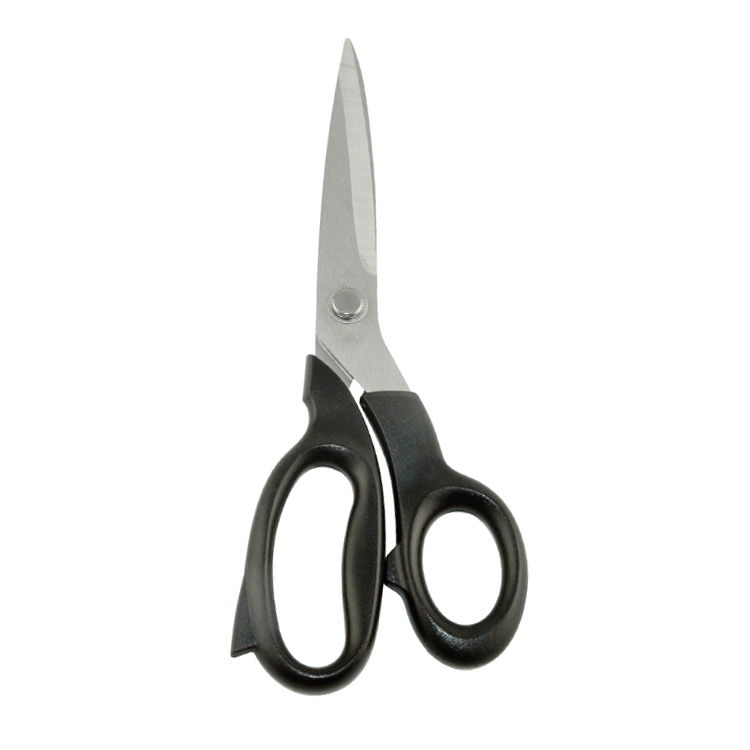
Yangjiang is widely associated with cutting tools, kitchenware, and related metal products, making it a common sourcing location for buyers looking for tailoring tools and scissors. For importers, distributors, promotional-product companies, craft brands, and retail buyers, the goal is not only to find a low unit cost. The more important task is to choose scissors that match the intended fabric, end user, packaging plan, and after-sales expectations.
This guide rewrites the original Bonet Houseware topic into a practical sourcing article. It focuses on tailoring tools in Yangjiang, especially black-handle tailor scissors and fabric scissors, while keeping claims realistic. Commercial details such as MOQ, lead time, certificates, private-label options, and test standards should always be confirmed directly with the supplier before placing an order.
Key Takeaways
- Yangjiang is a relevant sourcing area for scissors and tailoring tools, but supplier comparison is still essential.
- For tailor scissors, evaluate cutting feel, blade alignment, handle comfort, packaging, and consistency across samples.
- Do not rely only on product photos; request samples and ask clear questions about materials, quality control, and production timing.
- Wholesale and OEM buyers should define the target market before discussing price, branding, or packaging.
Why Yangjiang Matters for Tailoring Tools
Yangjiang has a strong reputation for metalware and cutting products. Buyers often search for terms such as “tailoring tools Yangjiang,” “fabric scissors Yangjiang,” and “scissors wholesale Yangjiang” because the city is connected with a broad supplier base. This can be useful for businesses that need multiple product types, such as tailor scissors, household scissors, kitchen scissors, or craft scissors.
However, location alone does not guarantee the right product. Two scissors that look similar online may differ in blade sharpness, pivot stability, handle comfort, finishing, and packaging quality. A sourcing decision should combine product inspection, supplier communication, sample testing, and clear written specifications.
Understanding the Black-Handle Tailor Scissors Product
The original article highlights black-handle precision scissors designed for crafting, office, and everyday cutting tasks. It also describes an ergonomic black handle, suitability for both right-handed and left-handed users, and stainless steel blades intended for sharpness and resistance to rust and corrosion. These are useful starting points for buyer evaluation, but they should be verified on samples.
When reviewing a plastic-handle tailor scissors product, consider where it will be sold and how customers will use it. A sewing workshop may prioritize long cutting sessions and clean fabric edges. A craft retailer may care more about attractive packaging and safe retail display. A promotional buyer may focus on branding space, color consistency, and carton durability. The same scissor design may not fit every channel.
Selection Checklist for Fabric and Tailor Scissors
Before placing a wholesale order, create a written checklist. This helps the supplier understand expectations and reduces misunderstandings during sampling and mass production.
| Evaluation Item | What to Check | Questions to Ask the Supplier |
|---|---|---|
| Blade performance | Clean cutting through intended materials such as fabric or paper | What materials are the blades made from, and can sample testing be arranged? |
| Handle comfort | Grip shape, pressure points, and control during repeated cutting | Is the handle design suitable for the target user group? |
| Pivot and alignment | Smooth opening and closing without looseness or scraping | How is blade alignment checked during production? |
| Finish and appearance | Consistent black handle color, clean edges, and no visible defects | What appearance standards are used for bulk inspection? |
| Packaging | Retail card, sleeve, bulk pack, or custom packaging suitability | What packaging options are available, and what artwork files are required? |
| Commercial terms | MOQ, lead time, sample cost, payment terms, and shipment method | Can all order terms be confirmed in writing before production? |
Wholesale Sourcing Questions to Ask
For scissors wholesale in Yangjiang, a good inquiry is specific. Instead of asking only for the best price, tell the supplier the expected use, target market, packaging style, annual demand estimate, and any brand requirements. If you need OEM or private-label service, ask what customization is possible, but do not assume it is available until confirmed.
- What blade material and handle material are used for this exact model?
- Can the supplier provide pre-production samples for approval?
- What is the normal MOQ for standard packaging and for customized packaging?
- What inspection steps are used for sharpness, alignment, appearance, and packing?
- Can the supplier provide carton dimensions and gross weight for freight planning?
- Are there any documents, test reports, or compliance information available for the target market?
- What is the lead time after sample approval and deposit?
These questions keep the discussion practical. They also help buyers compare suppliers on more than price. If a supplier cannot answer basic product and process questions clearly, proceed carefully.
Sample Testing Before a Bulk Order
Samples are essential for tailoring tools because user experience is difficult to judge from photos. Test the scissors with the actual materials your customers will cut. For fabric scissors, check whether the blades start cleanly at the tip, cut smoothly through the full blade length, and avoid chewing or pushing the fabric. For office or craft use, test common paper, packaging material, thread, and light craft materials as appropriate.
Also review comfort. Hold the scissors for several minutes, open and close them repeatedly, and note whether the handle causes pressure. If the product is promoted for both right-handed and left-handed users, have different users try the sample. Confirm whether the grip and cutting visibility work comfortably for each group.
Packaging and Branding Considerations
Packaging can affect cost, freight efficiency, and retail performance. For online sales, protective packaging may matter more than shelf display. For supermarkets or craft stores, hanging cards, barcodes, product instructions, and clear images may be important. For wholesale distribution, simple but durable cartons may be preferred.
Buyers should ask suppliers which packaging formats are already available and which require custom development. If branding is needed, confirm logo placement, printing method, artwork format, color tolerance, and approval process. Avoid finalizing packaging artwork before the physical sample is approved, because product size and handle shape can affect layout.
Quality Control for Tailoring Tools Orders
Quality control should be agreed before production, not after goods are finished. Define acceptable and unacceptable issues in plain language. Examples may include loose pivots, uneven blade closing, scratches, dirty handles, poor printing, damaged packaging, or inconsistent carton labeling. If third-party inspection is needed, ask whether the supplier can support it and at what production stage inspection should occur.
For repeat orders, keep an approved sample as a reference. Compare future shipments against that sample for cutting feel, color, finish, and packaging. This is especially important if the product will be sold under your brand, where consistency affects customer trust.
FAQ: Buying Tailoring Tools in Yangjiang
Is Yangjiang a good place to source tailor scissors?
Yangjiang is a common sourcing region for cutting tools and related products. It can be a good place to search, but buyers should still compare suppliers, request samples, and confirm specifications.
What should I check first in fabric scissors samples?
Start with cutting performance on the exact materials your customers use. Then check blade alignment, handle comfort, finish quality, and packaging condition.
Can I request OEM packaging or a private label?
Possibly, but it depends on the supplier and order details. Ask about MOQ, artwork requirements, sample approval, printing options, and lead time before assuming customization is available.
How do I avoid quality problems in wholesale scissors orders?
Use approved samples, written specifications, clear packaging requirements, and pre-shipment inspection when appropriate. Confirm defect standards with the supplier before production begins.
What information should I include in an inquiry?
Include the product type, target market, estimated quantity, packaging preference, branding needs, destination country, and any required documents or testing expectations.
Final Thoughts
Sourcing tailoring tools in Yangjiang can be efficient when buyers approach the process with clear requirements. Black-handle tailor scissors and fabric scissors may serve craft, office, sewing, and everyday cutting needs, but each order should be matched to its real use case. By testing samples, asking detailed supplier questions, and confirming quality expectations in writing, wholesale and OEM buyers can make better decisions and reduce avoidable sourcing risks.
