




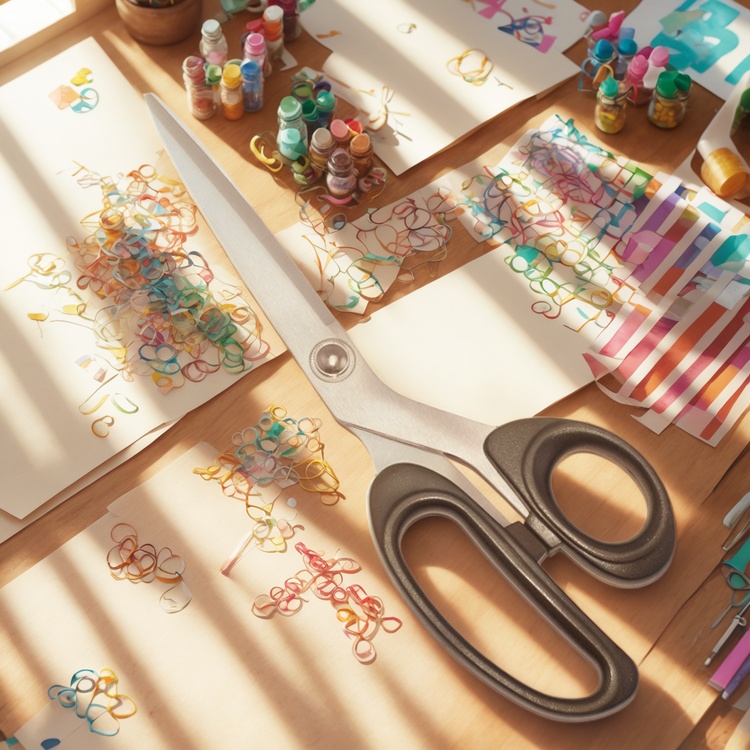
Tailoring Utility Scissors: Precision Cutting Guide
Tailoring utility scissors are everyday tools for sewing rooms, craft studios, pattern-making desks, alteration shops, and home workspaces. The right pair should cut cleanly, feel stable in the hand, and support accurate work across common materials such as fabric and paper. The original article introduced the Aegis Precision Titanium Scissors as an example of tailoring utility scissors with ultra-sharp titanium blades, ergonomic soft-touch handles, and an adjustable tension screw. This guide expands on those useful points and explains how to evaluate a pair of scissors before buying, using, or sourcing them.

Why Tailoring Utility Scissors Matter
Cutting is one of the first steps in many sewing and craft projects, and mistakes made at this stage can affect the entire result. Ragged fabric edges, skipped cuts, hand strain, and poor control all slow down production and may waste material. Tailoring utility scissors are designed to provide dependable cutting for a range of tasks rather than one highly specialized use.
For tailors and makers, the goal is not simply to own the sharpest tool. A good pair should balance sharpness, comfort, control, and maintenance. Scissors that cut smoothly through fabric may not remain accurate if the tension is wrong. Handles that look attractive may still cause fatigue if they do not suit the user’s grip. When comparing products, treat cutting performance and hand comfort as equally important.
Key Features to Check Before Buying
When evaluating ergonomic tailor scissors, look for practical features that directly affect daily work. The Aegis Precision Titanium Scissors described in the source article highlight several useful features: ultra-sharp titanium blades for smooth, snag-free cutting, soft-touch ergonomic handles to reduce hand fatigue, and an adjustable tension screw for blade control. These are relevant features to consider in any tailoring utility scissors.
- Blade performance: The blades should cut cleanly without pulling, chewing, or snagging material.
- Handle comfort: A soft-touch or ergonomic grip can help during longer cutting sessions.
- Tension adjustment: An adjustable screw allows the user to fine-tune resistance and cutting feel.
- Material compatibility: Confirm whether the scissors are suitable for fabric, paper, or heavier craft materials.
- Control at the tip: Fine work requires the tips to meet accurately, especially on curves and corners.
Comparison Checklist for Tailors and Crafters
Use the checklist below when comparing tailoring utility scissors for personal use, studio purchasing, or wholesale evaluation. It focuses on questions that can be tested or confirmed without relying on vague marketing claims.
| Selection Point | What to Check | Why It Matters |
|---|---|---|
| Blade sharpness | Test on scrap fabric and paper if possible | Clean cuts reduce fraying and rework |
| Blade finish | Confirm the advertised blade type or coating with the supplier | Helps match the tool to intended use and care routine |
| Handle design | Hold the scissors in a natural cutting position | Comfort affects accuracy during repeated use |
| Tension screw | Check whether tension is adjustable and stable | Allows control for different materials and preferences |
| Cutting range | Ask which materials the scissors are intended to cut | Prevents damage from using them beyond their purpose |
| After-sales details | Ask about packaging, spare parts, warranty, and care instructions | Important for retail, OEM, or long-term workshop use |
How to Use Tailoring Utility Scissors for Cleaner Cuts
Even good scissors perform poorly when used with the wrong technique. Keep the lower blade close to the cutting surface and guide the fabric rather than lifting it too much. This helps maintain alignment and reduces distortion, especially on long straight cuts. For curves, use shorter cuts and turn the material gradually instead of forcing the blades around a tight angle.
It is also helpful to separate scissors by task. If one pair is used for fabric, avoid using it regularly on abrasive or unsuitable materials unless the product is specifically intended for that use. Paper and some craft materials can dull blades faster than expected. If you need one pair for mixed tasks, choose utility scissors designed for broader use and test performance on the materials you cut most often.
Care and Maintenance Tips
Regular care helps preserve cutting quality. After use, wipe the blades clean and dry, especially if they have been used around adhesive materials, lint, or coated paper. Store scissors closed in a safe place where the tips and edges will not knock against other tools. If the scissors include an adjustable tension screw, check it periodically; tension that is too loose can make blades fold material, while tension that is too tight can increase hand strain.
- Clean the blades after cutting lint-heavy or adhesive materials.
- Store scissors closed and away from moisture.
- Use the adjustable screw carefully; make small changes and test the cut.
- Do not force the scissors through materials they are not designed to handle.
- Consider professional sharpening when cutting performance declines.
Guidance for Wholesale, OEM, or Supplier Evaluation
For business buyers, sourcing tailoring utility scissors requires more than checking appearance. If you are purchasing for retail, a sewing brand, a craft kit, or a workshop, ask suppliers to provide clear answers before confirming an order. Do not assume specifications that are not listed. Instead, request written details about blade construction, handle material, packaging options, sample availability, lead time, quality inspection process, and any applicable compliance documents for your market.
If considering a product such as the Aegis Precision Titanium Scissors, the explicit features to verify are the titanium blade description, soft-touch ergonomic handle, adjustable tension screw, and intended cutting applications. For OEM or private-label projects, ask whether logo placement, handle color, packaging artwork, and instruction inserts are available, and request pre-production samples for testing. Commercial details such as MOQ, pricing, production capacity, and delivery schedule should be confirmed directly with the supplier rather than assumed.
Key Takeaways
- Tailoring utility scissors should be judged by cutting quality, comfort, tension control, and suitability for the materials you use most.
- Ergonomic soft-touch handles can reduce fatigue during longer sewing or craft sessions.
- An adjustable tension screw is useful for fine-tuning blade resistance and cutting control.
- For wholesale or OEM sourcing, ask suppliers for written specifications, samples, packaging details, and quality-control information.
Practical FAQ
Can tailoring utility scissors cut both fabric and paper?
Some utility scissors are designed for fabric, paper, and craft use, but always check the supplier’s intended-use guidance. If fabric accuracy is critical, many users prefer to reserve one pair mainly for fabric.
Why does an adjustable tension screw matter?
It lets the user fine-tune how tightly the blades meet. Correct tension can improve control, reduce snagging, and make cutting feel smoother.
What causes hand fatigue when using scissors?
Fatigue can come from tight blade tension, handles that do not fit the user’s grip, heavy cutting materials, or long sessions without breaks. Ergonomic handles and proper tension help.
What should business buyers ask before ordering?
Ask for confirmed specifications, sample availability, packaging options, branding possibilities, lead time, MOQ, pricing, inspection process, and any documents required for your sales market.
How should tailoring scissors be stored?
Store them clean, dry, and closed. Protect the blades from impact and avoid leaving them in damp areas or mixed loose with heavier tools.
