




Team Building Activities: Practical Ideas for Stronger Teams
Team building activities work best when they are planned with a clear purpose, not treated as forced fun. A good activity can help colleagues communicate more openly, understand different working styles and share a few laughs outside the pressure of deadlines. A poor activity, on the other hand, can feel awkward, expensive or disconnected from real workplace needs.
The original idea behind many team outings is simple: give people a setting where cooperation feels natural. That does not have to mean trust falls or loud games that make introverts uncomfortable. It can be a cooking challenge, a city walk, a product-design exercise, a volunteer project, a problem-solving workshop or a relaxed off-site discussion. The key is to match the activity to your team’s goals, schedule and culture.
Key Takeaways
- Start with the business reason: communication, onboarding, morale, problem solving or cross-team alignment.
- Choose inclusive activities that suit different personalities, abilities and comfort levels.
- For off-site events, plan travel, timing, meals and contingency options early.
- Measure success through employee feedback and observable improvements, not just attendance.
Why Team Building Still Matters
Teams rarely become effective simply because they appear on the same organization chart. People need shared context, trust and clear communication habits. Team building activities can create a low-risk environment where colleagues practice listening, making decisions and solving small problems together before they face larger business challenges.
They are also useful when a company is growing, combining departments, welcoming new hires or shifting to hybrid work. Employees who mostly communicate through messages and meetings may benefit from structured time together. A short activity can reveal how a team handles ambiguity, divides tasks, supports quieter members and responds when something does not go as planned.
Choose the Right Activity for the Goal
Before booking a venue or sending invitations, define the outcome you want. “Have fun” is valid, but it is not specific enough for planning. A sales team may need energy and friendly competition. A production, sourcing or operations team may need clearer handoffs. A creative team may need a change of setting to generate ideas.
| Team Need | Activity Type | What to Check Before Booking |
|---|---|---|
| Better communication | Facilitated problem-solving workshop | Is the facilitator experienced with workplace groups? |
| New employee integration | Small-group lunch, office quest or buddy challenge | Will new hires feel welcomed rather than tested? |
| Creative thinking | Design sprint, cooking challenge or maker session | Are materials, timing and instructions clear? |
| Cross-department trust | Mixed-team project or service activity | Are teams balanced and goals easy to understand? |
| Reward and recognition | Off-site trip or local experience | Are travel, accessibility and budget expectations realistic? |
Off-Site Activities and Corporate Travel Planning
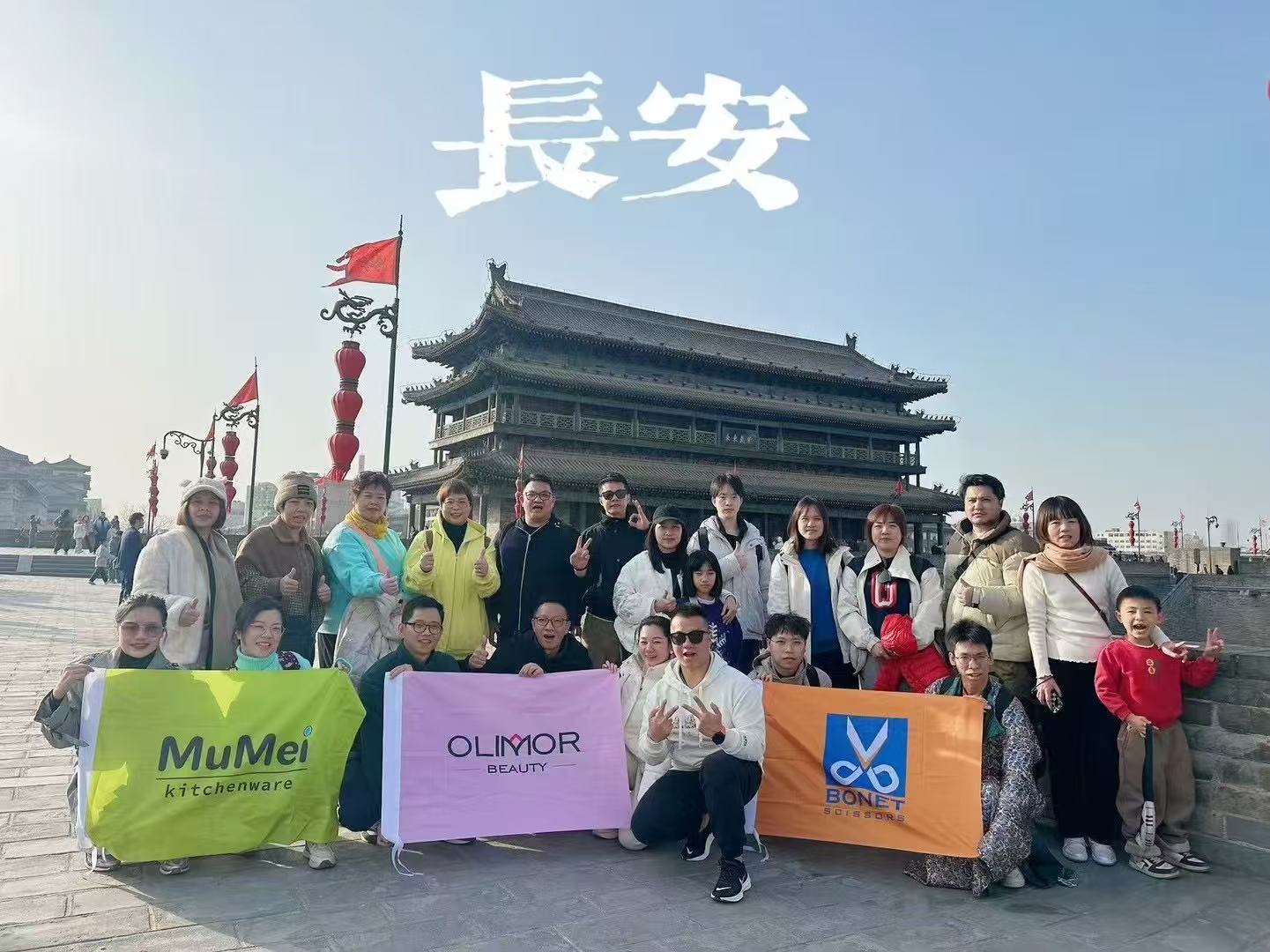
Off-site team building can be memorable because it removes people from their usual routines. The original article referenced the idea of visiting a historic city such as Chang’an as a backdrop for brainstorming, scavenger hunts or shared cultural experiences. Whether the destination is a historic district, a local park or a nearby conference venue, the value comes from thoughtful structure.
If travel is involved, corporate travel management matters. Confirm transportation, accommodation, dietary needs, meeting rooms, insurance requirements and emergency contacts. Build in breaks; an overpacked agenda can make even a beautiful location feel exhausting. If you use outside vendors, ask practical questions: What is included in the package? How many facilitators will attend? What happens in bad weather? Can activities be adapted for different physical abilities?
Houseware and Cooking-Themed Team Ideas
For a houseware or kitchenware-related company, cooking and product-use activities can be especially relevant because they connect teamwork with everyday tools. A group cooking challenge, for example, can encourage planning, role division and time management. A product demonstration workshop can invite employees to think like customers: Is an item easy to use, clean, store and explain?
The original article mentioned MuMei Kitchenware, Olimor Beauty and Bonet Scissors in the context of a creative team experience. If your company uses brand-related activities, keep them practical rather than promotional. Employees can compare packaging clarity, brainstorm display ideas, discuss user pain points or test how instructions are understood. Avoid making claims about product materials, certifications or performance unless those details are documented and approved.
How to Make Activities Inclusive
The most effective team building activities do not depend on embarrassment or physical intensity. Laser tag, climbing walls and competitive games may be enjoyable for some teams, but they should not be the only option. A balanced plan gives people ways to participate without feeling exposed.
- Ask about accessibility, dietary needs and schedule conflicts before finalizing the plan.
- Offer roles beyond performing, such as timekeeper, planner, note-taker, judge or presenter.
- Avoid activities that pressure employees to disclose personal information.
- Keep competition friendly and make the scoring system simple.
- End with a short reflection so the activity connects back to work.
Planning Checklist for Managers
A team event does not need to be complicated, but it does need ownership. Assign one person to manage logistics and one person to clarify the purpose. For larger groups, create a small planning committee with representatives from different departments.
- Objective: What should be different after the activity?
- Participants: Who is attending, and should teams be mixed?
- Budget: What costs must be approved in advance?
- Timing: Will the activity interrupt urgent business operations?
- Location: Is the site easy to reach and suitable for all participants?
- Vendor questions: What services, equipment and cancellation terms are included?
- Follow-up: How will feedback be collected and used?
Measuring Whether It Worked
Attendance alone does not prove that a team building activity was useful. After the event, ask short and specific questions. Did employees understand the purpose? Did the activity help them work with people they do not normally meet? Was anything uncomfortable or unnecessary? What should be repeated or changed?
Managers can also look for practical signals over the following weeks: smoother project handoffs, more balanced meeting participation, faster onboarding conversations or fewer repeated misunderstandings. These signs are more meaningful than a single group photo or a high-energy afternoon.
Practical FAQ
How long should a team building activity last?
For a normal workday, 60 to 180 minutes is often enough. Full-day or overnight programs can work for strategic planning or rewards, but they need stronger logistics and a clearer agenda.
What if employees dislike team building?
Ask why. They may have experienced activities that felt forced, childish or irrelevant. Choose practical formats, explain the purpose and avoid mandatory personal sharing.
Are competitive games a good idea?
They can be, if the competition is light and inclusive. Avoid formats where the same confident people dominate while others become spectators.
Should a company hire an outside facilitator?
For complex goals, conflict resolution or large off-sites, a facilitator can help. Before hiring one, ask about experience, agenda design, group size limits, safety planning and cancellation terms.
How can team building connect to daily work?
End with a short discussion: What helped the group succeed? What slowed the group down? Which lesson should be applied to meetings, sourcing projects, customer service or internal communication?
Good team building is not about pretending work is always easy. It is about giving people a structured chance to cooperate, laugh, solve problems and return to work with a little more trust than before.
