




Teddy Bear OEM Kid Scissors: Safe Sourcing Guide
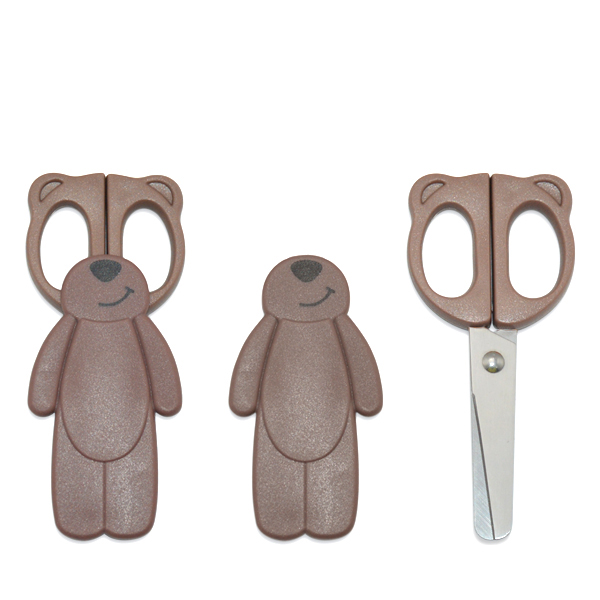
For stationery brands, school supply distributors, giftware buyers, and craft product importers, kid scissors are a small item that requires careful sourcing. The teddy bear OEM kid scissors shown here combine a playful bear-shaped design with practical child-focused features such as a protective cover and handles intended for small hands. Because children are the end users, buyers should evaluate not only appearance and price, but also usability, packaging, age suitability, quality consistency, and the supplier's ability to support OEM requirements.
Key Takeaways
- Teddy bear kid scissors can work well for school, craft, and promotional product ranges when the design is matched to the intended age group.
- A protective cover is a useful feature for storage, retail display, and parent confidence.
- For OEM orders, confirm materials, blade design, packaging, labeling, sample approval, and quality inspection steps before production.
- Do not rely on appearance alone; request product samples and test them for comfort, cutting performance, and safe handling.
What Makes Teddy Bear OEM Kid Scissors Different?
Kid scissors are not simply smaller versions of adult scissors. They are usually selected for controlled cutting, easy grip, light handling, and child-friendly presentation. A teddy bear shape adds visual appeal for younger users and can help the product stand out in retail packs, school supply bundles, craft kits, or seasonal gift sets.
For OEM buyers, the bear design also creates branding opportunities. The outer form, color palette, packaging card, logo position, and cover design may be areas to discuss with the supplier. However, any customization should be reviewed against production feasibility and safety expectations. A cute shape is valuable only if it does not make the scissors difficult to hold, awkward to store, or confusing for children to use.
Safety Features Buyers Should Review
The original product information highlights child safety scissors with a protective cover. A cover can reduce exposure during storage and transport, and it is especially helpful when scissors are placed in pencil cases, backpacks, classroom bins, or retail sets. Buyers should check how firmly the cover fits, whether children can remove and replace it easily, and whether it stays in place during normal handling.
When sourcing scissors with cover for kids, consider these practical questions:
- Is the cover shaped so it aligns clearly with the blades?
- Does the cover have small detachable parts that could be a concern for younger children?
- Are blade tips rounded, blunt, or otherwise designed for child use?
- Is the handle size appropriate for the intended age range?
- Does the product packaging clearly communicate supervised use where appropriate?
Safety expectations vary by target market, retailer, and age group. Ask the supplier what compliance documents, test reports, or market-specific labeling options are available, and verify them through your own review process before placing a bulk order.
Materials, Blades, and Cutting Performance
The original article states that these kid scissors use stainless steel blades. For B2B sourcing, it is important to confirm the exact blade material, thickness, edge style, and corrosion-resistance expectations with the supplier. Stainless steel is commonly used for scissors, but buyers should not assume that all stainless steel blades perform the same. Cutting feel, durability, and edge retention can vary depending on material grade, blade geometry, assembly, and quality control.
Sample testing should include typical child craft tasks such as cutting paper, construction paper, thin card, and simple classroom materials. Avoid evaluating the product only on one sheet of paper. Check whether the scissors cut cleanly from the base to the tip, whether the pivot feels too loose or too tight, and whether the handle remains comfortable after repeated use. If the product is intended for younger children, the balance between cutting ability and controlled use should be discussed carefully with the supplier.
OEM Customization Points to Confirm
OEM kid scissors may be ordered for private labels, school supply brands, craft kits, online retail, or promotional programs. Before requesting a quotation, prepare a clear specification sheet. This helps reduce misunderstandings and allows suppliers to quote more accurately.
| Item to Confirm | Why It Matters | Questions to Ask the Supplier |
|---|---|---|
| Colors and bear design | Affects brand fit and child appeal | Which standard colors are available, and what is required for custom colors? |
| Blade and cover details | Impacts usability and storage safety | What blade material, tip style, and cover fit are used for the approved sample? |
| Handle size | Determines comfort for the target age group | What age range is the current mold intended for? |
| Logo placement | Supports private label presentation | Can the logo be printed on the handle, cover, or packaging? |
| Retail packaging | Influences shelf display and import labeling | Are blister cards, hanging cards, or bulk packing options available? |
| Quality inspection | Reduces shipment risk | What checks are performed for blade alignment, cover fit, and appearance? |
Supplier Evaluation for Wholesale and Manufacturing Orders
When dealing with a factory or OEM supplier, buyers should go beyond product photos. Request physical samples, packaging examples, and written specifications. If you need a private-label item, confirm whether the supplier can keep the approved sample as a production reference. For repeat orders, consistency is often more important than a one-time low price.
Useful sourcing steps include:
- Define your target users, sales channel, and packaging requirements.
- Request samples in the same material, color, cover, and packaging style you plan to order.
- Ask for available documentation relevant to your destination market, without assuming claims that are not provided.
- Confirm lead time, order process, sample approval steps, and artwork requirements.
- Arrange pre-shipment inspection criteria for cutting performance, cover fit, quantity, packaging, and visual defects.
Commercial details such as MOQ, unit price, tooling cost, delivery terms, and carton information should be requested directly from the supplier. These details can change depending on customization, packaging, order volume, and shipping method.
Use Cases for Retailers, Schools, and Craft Kits
Teddy bear kid scissors are most relevant for children’s stationery ranges, back-to-school assortments, classroom supplies, gift packs, and DIY craft kits. The playful design can make the product more approachable for children, while the cover helps make it easier for parents, teachers, and retailers to store and present the item.
For school or craft programs, buyers should think about how the scissors will be used in groups. Easy identification, consistent color batches, durable packaging, and simple storage all matter. For online retail, product images should show the scissors with and without the cover, the handle scale, and the intended use cases. Clear copy should avoid exaggerated promises and instead explain practical benefits such as covered storage, child-friendly styling, and suitability for paper crafts.
Quality Checks Before Approving Production
Before mass production, review a final sample closely. Open and close the scissors repeatedly, check blade alignment, inspect the cover fit, and confirm that the bear-shaped parts do not create sharp edges or uncomfortable pressure points. Packaging should protect the product during transit and display the item clearly.
For bulk orders, inspection criteria may include appearance, color consistency, logo position, packaging print accuracy, cutting test, cover retention, pivot function, and carton labeling. If your market requires specific warnings, age grading, or regulatory information, confirm these details with qualified compliance support and ensure they are included in artwork before production begins.
FAQ
Are teddy bear OEM kid scissors suitable for all children?
Not automatically. Suitability depends on the child’s age, supervision, hand size, and the scissors’ blade design. Buyers should confirm the intended age range with the supplier and review any required labeling for the sales market.
Can the scissors be customized for a private label?
OEM customization may be possible for colors, logo placement, and packaging, but options depend on the supplier’s molds, printing methods, and order requirements. Ask for artwork guidelines and a pre-production sample.
What should buyers test in a sample?
Test cutting performance on typical craft paper, comfort in small hands, cover fit, blade alignment, opening and closing action, packaging strength, and overall finish. Compare every bulk shipment against the approved sample.
Do protective covers replace adult supervision?
No. A cover helps with storage and handling when the scissors are not in use, but children should still use scissors according to age suitability, classroom rules, and adult guidance where needed.
What information should be requested before ordering wholesale?
Ask for product specifications, customization options, sample cost and timing, MOQ, price terms, packaging choices, lead time, inspection process, and any documents relevant to your destination market.
