




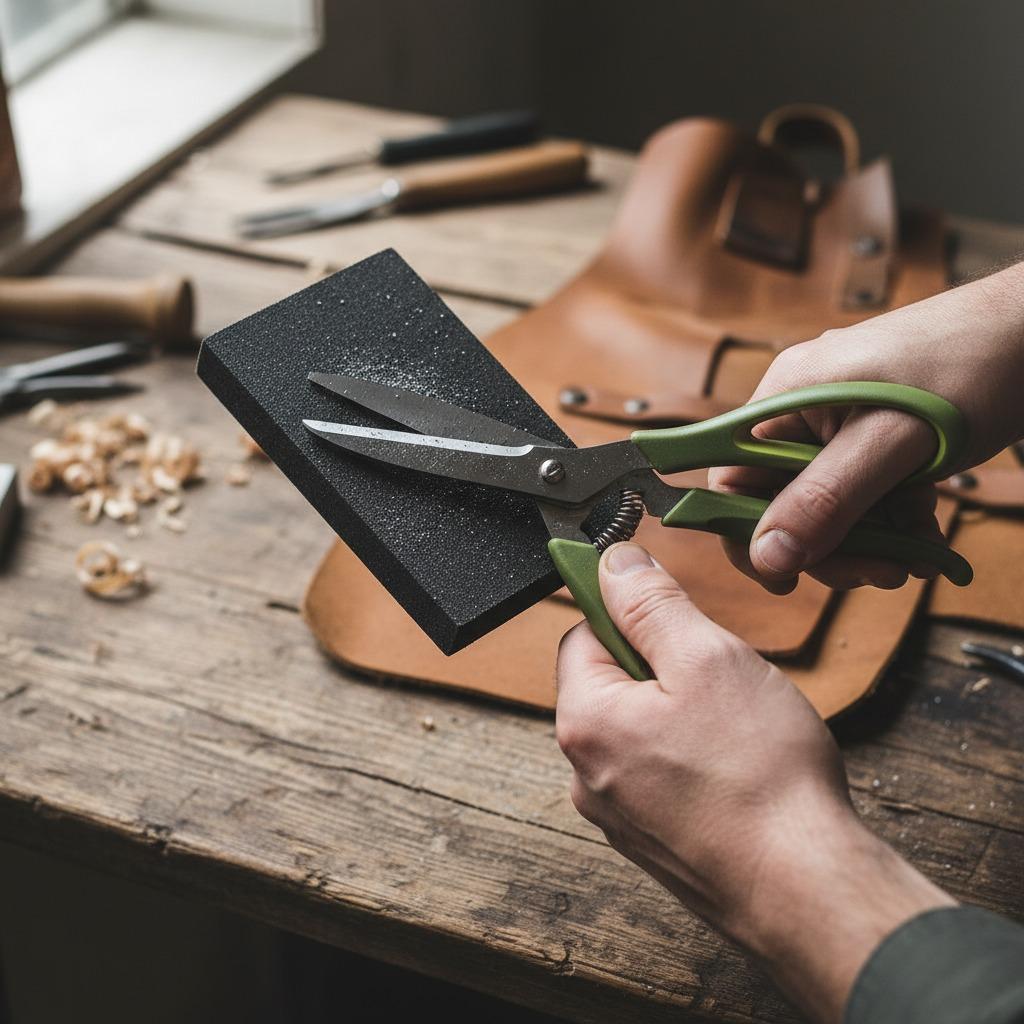

The Art of Honing: Keeping Your Household Scissors Razor Sharp
Household scissors are used for small jobs that quickly become frustrating when the blades are dull: opening packaging, cutting paper, trimming thread, preparing herbs, shaping craft materials, or tidying a label. A clean, sharp pair cuts with control. A neglected pair bends, chews, or tears material and can encourage unsafe extra force.
Good scissors care is not complicated, but it helps to understand the difference between cleaning, honing, and sharpening. Cleaning removes residue. Honing realigns a slightly rolled edge so the two blades meet properly. Sharpening removes a small amount of metal to create a new edge when honing is no longer enough. Used together, these habits can keep everyday scissors working smoothly for longer and reduce the need for replacement.
Key Takeaways
- Clean scissors before any edge work; tape, food residue, and dust can hide the real cutting problem.
- Honing is best for routine maintenance, while sharpening is for blades that are truly dull or nicked.
- Use light pressure and follow the existing bevel rather than guessing a new angle.
- Test on the material the scissors are meant to cut, such as paper, fabric, or kitchen herbs.
- Store scissors dry and avoid using one pair for every task, especially wire, cardboard, or adhesive-heavy packaging.
Why Sharp Household Scissors Matter
Sharp scissors are easier to control. When blades meet cleanly, they require less squeezing force and are less likely to slip off the material. This matters in the kitchen, where wet herbs or food packaging can move unexpectedly, and in craft work, where a ragged cut can waste fabric or paper.
Sharpness also protects the scissors themselves. Forcing dull blades through thick material can loosen the pivot, twist the blades out of alignment, or create small nicks in the cutting edge. Regular maintenance is not only about the edge; it also keeps the pivot action smooth and helps you notice damage before it becomes difficult to fix.
Honing vs. Sharpening: Know the Difference
Many people use “honing” and “sharpening” as if they mean the same thing. For scissors maintenance, the distinction is useful. Honing gently straightens or refreshes the edge and is appropriate when scissors still cut but feel slightly rough or drag through material. Sharpening is more aggressive and should be used when the blades are dull, chipped, or unable to cut cleanly after cleaning and honing.
Because scissors have two blades that must meet along a line, alignment is as important as sharpness. If the pivot screw is loose or the blades have been bent, sharpening alone may not solve the problem. In that case, tighten the pivot carefully if the design allows, or ask a repair professional whether the scissors can be adjusted.
Tools and Supplies for Scissors Maintenance
You do not need a full workshop for basic care. A small maintenance kit can handle most household needs:
- Soft cloth or paper towel for wiping blades
- Mild soap and warm water for cleaning residue
- Cotton swab for the pivot area
- Light household oil or scissors oil for the pivot, if appropriate for the item
- Fine sharpening stone, ceramic rod, or a scissors-specific sharpener
- Cut-resistant gloves if you are new to blade maintenance
Avoid harsh abrasives on handles or decorative finishes. If the scissors are used for food, clean them with food-safe habits before and after maintenance, and avoid leaving oil where it may contact food.
Step-by-Step: How to Hone Household Scissors
Work slowly and keep your fingers away from the cutting path. If the scissors can be taken apart safely, follow the manufacturer’s guidance. If not, maintain them assembled and focus on accessible surfaces.
- Clean the blades. Wipe away dust, paper fibers, tape adhesive, or food residue. For sticky buildup, use warm soapy water, then dry immediately.
- Check the pivot. Open and close the scissors. If they wobble or feel too loose, the blades may not meet correctly. Tighten only if the design includes an adjustable screw.
- Find the bevel. Most scissors have an angled cutting edge. Match that existing angle rather than grinding a new one.
- Hone lightly. Draw the bevel across a ceramic rod or fine stone with controlled, even strokes from pivot toward tip. Use minimal pressure.
- Remove burrs carefully. Open and close the scissors a few times, then wipe the blades. Do not run fingers along the edge.
- Test the cut. Try a sheet of paper, a scrap of fabric, or the usual material for that pair. If it snags, repeat lightly or consider proper sharpening.
Comparison Checklist: Match the Method to the Problem
| Problem You Notice | Likely Cause | Best First Action | When to Stop |
|---|---|---|---|
| Blades feel sticky or drag | Adhesive, food residue, or dust | Clean with mild soap and dry well | When blades open and close smoothly |
| Paper folds instead of cutting | Dull edge or poor blade contact | Check pivot, then hone lightly | When paper cuts from pivot to tip |
| Fabric snags at one point | Small nick or uneven edge | Use a fine stone or professional sharpening | When snagging disappears without overgrinding |
| Scissors feel loose | Pivot wear or loose screw | Tighten gently if adjustable | When movement is smooth, not stiff |
| Rust spots appear | Moisture during storage | Clean, dry, and oil pivot lightly | When corrosion is removed or stabilized |
Care Tips for Different Household Uses
One pair of scissors rarely performs well in every role. Kitchen scissors may encounter moisture and food residue, so they need prompt cleaning and complete drying. Craft scissors should be protected from glue and tape adhesive, which can make the blades feel dull even when the edge is intact. Office scissors often cut paper and packaging, but heavy cardboard can strain light-duty blades.
If possible, keep separate pairs for food, fabric, paper, and utility jobs. Labeling the handles is a simple way to prevent fabric scissors from being used on cardboard or kitchen scissors from ending up in a craft drawer. This habit protects the edge and makes cleaning more predictable.
Common Mistakes to Avoid
- Using too much pressure. Heavy grinding can damage the bevel and shorten blade life.
- Sharpening both sides like a knife. Scissors edges are shaped differently; follow the original bevel.
- Ignoring the inside faces. The flat inner surfaces must meet cleanly. Do not scratch or round them unnecessarily.
- Cutting unsuitable materials. Wire, hard plastic, and thick cardboard can damage household scissors not designed for those tasks.
- Putting scissors away wet. Moisture can affect blades and pivot movement, especially after kitchen use.
Storage and Routine Maintenance Schedule
After use, wipe the blades and store scissors in a dry drawer, tool roll, or holder where the tips are protected. If the pivot feels stiff, add a tiny drop of suitable oil to the joint and open and close the scissors several times, then wipe away excess. Too much oil attracts dust and fibers.
For scissors used daily, a quick clean after each use and a light honing check every few weeks is reasonable. For occasional office or craft use, inspect them monthly or whenever cutting quality changes. Full sharpening should be done only when cleaning, pivot adjustment, and honing no longer restore performance.
FAQ: Household Scissors Honing and Care
Can I sharpen scissors by cutting aluminum foil?
Cutting folded foil may remove minor residue or temporarily improve the feel, but it is not a precise sharpening method. Use it only as a short-term trick, not a replacement for proper honing or sharpening.
How do I know if my scissors need professional sharpening?
If the blades have visible nicks, do not meet evenly, or still fold paper after cleaning and honing, professional sharpening or adjustment is a better option.
Should kitchen scissors be oiled?
The pivot may benefit from a very small amount of suitable oil, but any scissors used with food should be cleaned carefully afterward. Avoid leaving oil on cutting surfaces that may touch food.
Can I use the same scissors for paper and fabric?
You can, but it is not ideal. Paper can dull an edge used for fabric. If clean fabric cuts matter, keep a dedicated pair for textiles.
Is a scissors sharpener better than a stone?
A scissors-specific sharpener is convenient if it matches the blade design. A fine stone offers more control but requires more care and practice.
Final Thoughts
Maintaining household scissors is a small habit that improves everyday tasks. Start with cleaning, check the pivot, hone lightly, and sharpen only when needed. With the right method and careful storage, your scissors will cut more cleanly, feel safer in the hand, and remain useful across kitchen, craft, office, and home projects.
