




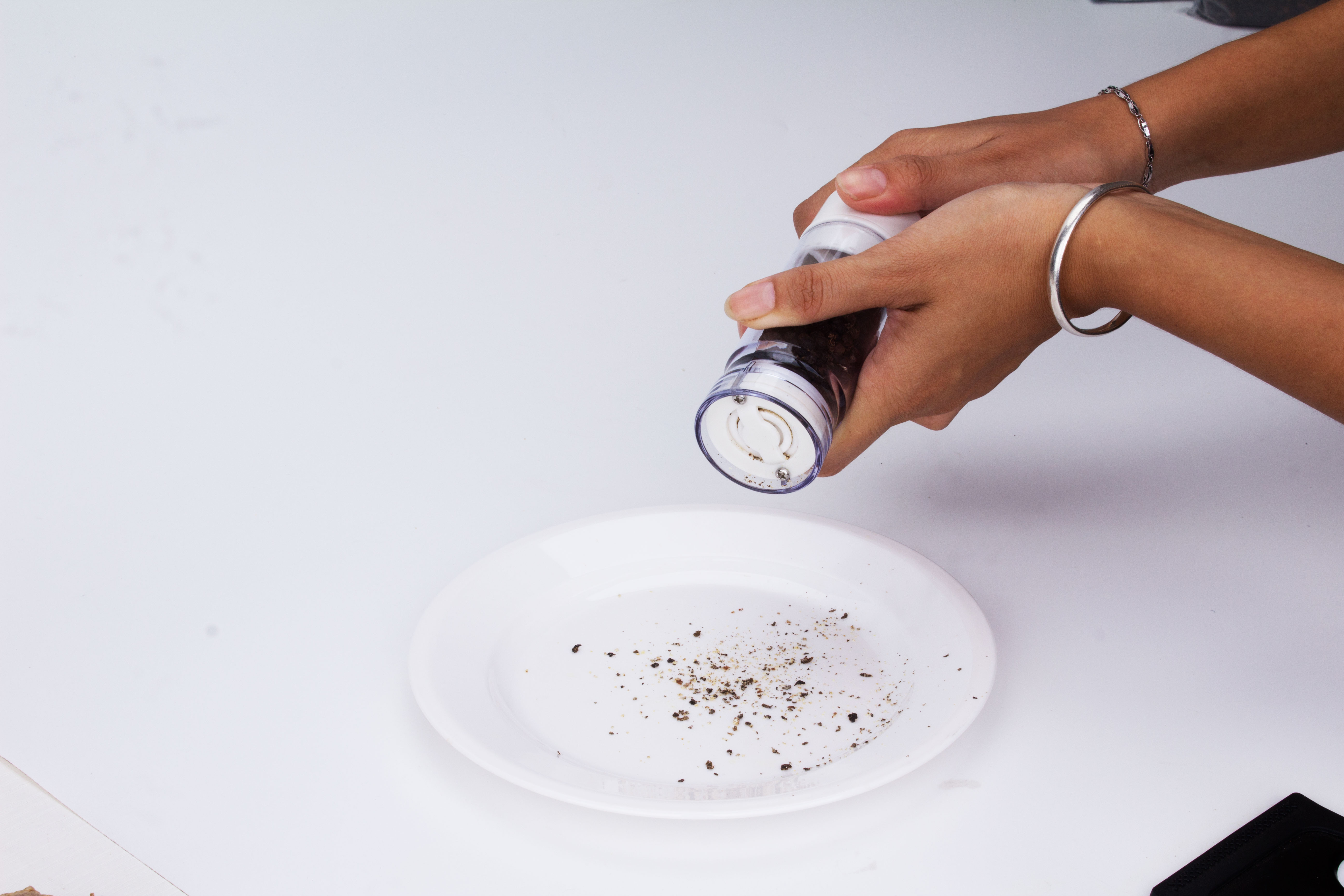
The Art of Pepper Jar Manufacturing: Precision and Style
Pepper jars and salt-and-pepper grinder sets look simple on a retail shelf, but their quality depends on many production choices: the container, grinding mechanism, lid, handle, assembly method, and finish. For importers, wholesalers, kitchenware brands, and hospitality buyers, understanding pepper jar manufacturing helps reduce sourcing risk and improves product consistency.
This guide explains the practical factors behind a well-made spice container, with special attention to transparent containers, ceramic grinder mechanisms, adjustable grinding expectations, and customization discussions. It is not a substitute for a supplier specification sheet, but it gives buyers a useful checklist before requesting samples or placing an OEM order.
Key Takeaways
- A pepper jar should be evaluated as a complete system: container, grinder, lid, handle, and packaging all affect user satisfaction.
- Transparent containers are useful because users can check remaining salt or peppercorns without opening the product.
- Ceramic grinder mechanisms are commonly valued for consistent grinding performance, but buyers should confirm durability and suitability with samples.
- For OEM or wholesale sourcing, ask clear questions about materials, customization limits, inspection methods, and packaging before confirming an order.
What Pepper Jar Manufacturing Involves
Pepper jar manufacturing usually combines container production, component sourcing, grinder assembly, fit testing, and final packing. The container must hold dry spices securely, the grinder must operate smoothly, and the cap or lid should protect the contents during storage. A good product feels stable in the hand and is easy to refill, use, and clean.
In a salt and pepper grinder set, consistency between the two pieces also matters. Buyers should check whether both grinders have the same shape, finish, lid fit, and operating feel. Minor differences may be acceptable for some channels, but gift sets, hospitality supplies, and branded kitchenware lines often require tighter visual matching.
Core Components to Evaluate
The original product concept highlights several useful features: a transparent container, a ceramic grinder, and easy-to-use lids and handles. Each of these details has a direct effect on how the product performs in daily use.
- Transparent container: Allows the user to see how much salt or pepper remains. Buyers should ask what material is used, how it is protected during shipping, and whether it resists clouding or scratching under normal use.
- Ceramic grinder: A ceramic mechanism can provide a steady grind for common dry spices. Ask the supplier which spices the mechanism is designed for and whether it is intended for salt, pepper, or both.
- Lid and handle design: These parts should be easy to operate without feeling loose. Check for sharp edges, awkward grip points, or lids that fall off during handling.
- Adjustment function: If adjustable coarseness is offered, test the range from fine to coarse and confirm that the setting does not shift unexpectedly during use.
Comparison Checklist for B2B Buyers
Before choosing a pepper jar supplier, compare samples using the same criteria. The table below can be used for supplier interviews, sample reviews, or internal product meetings.
| Evaluation Area | What to Check | Questions to Ask the Supplier |
|---|---|---|
| Container visibility | Can users clearly see the remaining spices? | What is the container material and how is it protected during packing? |
| Grinder mechanism | Is the grind smooth and consistent? | Is the mechanism ceramic, and what spices is it suitable for? |
| Refill experience | Is the opening practical and clean to use? | Can the lid or top be removed and reattached repeatedly without loosening? |
| Adjustment | Does the grind size change predictably? | How should users adjust the coarseness, and is an instruction insert available? |
| Finish and assembly | Are parts aligned, clean, and free from rough edges? | What in-process and final inspections are performed? |
| Packaging | Does the set survive normal shipping and shelf handling? | Can packaging be customized, and what drop or transit checks are recommended? |
Customization: Useful Options and Sensible Limits
Custom pepper jars can support private-label kitchenware programs, promotional sets, retail assortments, and hospitality supply projects. Common customization discussions may include exterior finish, lid color, gift box design, logo placement, instruction sheets, and grind adjustment style. However, buyers should avoid assuming that every design idea is production-ready.
When discussing OEM or custom development, share target market, retail channel, expected use environment, and packaging needs. A pepper grinder for home kitchens may have different priorities from one used in restaurants or hotel breakfast areas. If the design includes a modern finish or a special handle shape, ask whether it affects grip, cleaning, refill access, or packaging dimensions.
It is also wise to request a pre-production sample that matches the agreed components, not only a visual mock-up. A product can look attractive but still fail if the lid is difficult to open, the grinder feels uneven, or the container does not stand securely.
Quality Control Points During Production
For wholesale sourcing, quality control should be planned before production starts. Instead of relying on a general statement that the product is durable, ask the supplier to define the inspection steps. Useful checks may include visual inspection, assembly fit, grinder operation, lid retention, basic stability, and packaging review.
Because pepper jars contain moving parts, functional sampling is important. Buyers can ask how many units are checked from each production batch and what happens if inconsistent grinding, loose caps, or cosmetic defects are found. If rust or wear resistance is important for your market, ask the supplier to explain the component materials and recommended testing approach rather than accepting unsupported claims.
Sample Testing Before a Wholesale Order
Samples should be tested in conditions that resemble real use. Fill the grinder with the intended spice, operate it repeatedly, adjust the coarseness if applicable, and check whether the container remains comfortable to hold. Test both salt and pepper if the item is marketed as a salt and pepper grinder set.
- Inspect the sample immediately after unpacking for cracks, scratches, loose parts, or poor alignment.
- Open and close the lid several times to check fit and ease of use.
- Fill the transparent container and confirm that the contents are easy to view.
- Grind at different settings, if adjustment is included, and compare the output.
- Clean the exterior as a consumer would and check whether the finish shows obvious marks.
- Review the packaging for protection, labeling space, and retail presentation.
Practical FAQ
What makes a pepper jar suitable for B2B sourcing?
A suitable product should be consistent across samples, easy to refill, comfortable to operate, and supported by clear supplier answers about materials, assembly, inspection, and packaging. For branded orders, customization feasibility is also important.
Is a ceramic grinder always the best option?
A ceramic grinder is a strong choice for many salt and pepper applications, especially when consistent grinding is required. Buyers should still test the mechanism with the intended spice and ask the supplier about recommended use limits.
Why choose a transparent container?
A transparent container helps users see when salt or pepper is running low. For retail products, it also makes the contents and fill level easy to understand at a glance.
What should buyers ask before ordering custom pepper jars?
Ask about available finishes, logo methods, packaging options, sample timing, inspection process, component materials, and whether the proposed design changes affect usability or production stability.
How can I reduce quality issues in a wholesale order?
Approve a functional sample, define acceptance criteria, confirm packaging, request inspection details, and keep a written specification for the container, grinder, lid, handle, finish, and any customization.
Final Sourcing Advice
The art of pepper jar manufacturing is not only about appearance. Precision matters in the grinder, the lid fit, the container shape, and the way the product feels during repeated use. For buyers, the safest approach is to combine design review with practical testing and clear supplier questions. A well-selected salt and pepper grinder set should be simple to use, easy to monitor, and consistent enough for the market it serves.
