




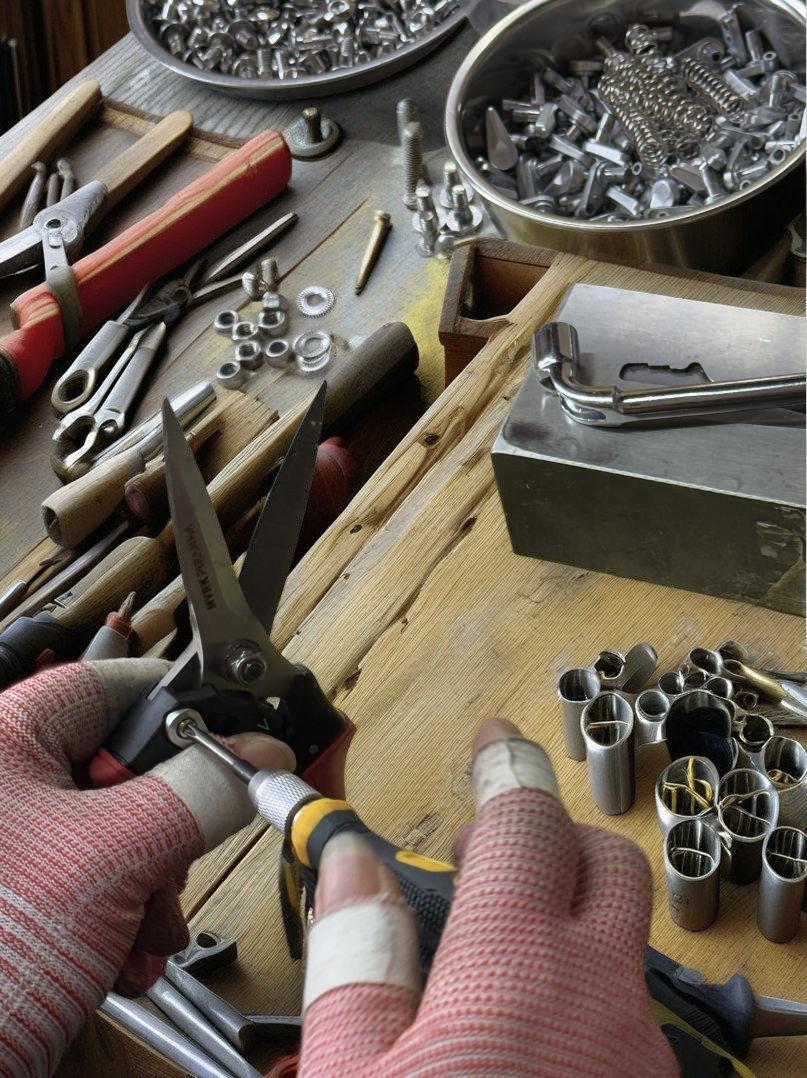
The Art of Precision: How Scissor Parts Are Assembled
Scissors look simple from the outside, but reliable cutting performance depends on how each part is formed, fitted, adjusted, and checked. A pair of scissors normally brings together two blades, a pivot system, handles, and sometimes springs or additional fasteners. If one part is misaligned, the tool may feel loose, cut unevenly, or create hand fatigue during repeated use.
For buyers sourcing scissors for wholesale, OEM programs, retail assortments, or industrial use, understanding assembly is more than technical curiosity. It helps you ask better supplier questions, compare samples more accurately, and avoid judging quality only by appearance. The following guide explains the main components, the assembly logic, and practical checks that can support a more informed purchasing decision.
Key Takeaways
- Scissor performance depends on blade alignment, pivot tension, handle comfort, and consistent finishing.
- The pivot screw, bolt, nut, or fastening system is central to cutting smoothness and long-term stability.
- Sample evaluation should include paper cutting, fabric cutting where relevant, opening-and-closing feel, and visual inspection.
- B2B buyers should ask suppliers about inspection procedures, tolerance control, materials used, packaging, and customization limits rather than assuming specifications.
Main Scissor Parts and Their Roles
A functional pair of scissors is the result of several parts working together. The blades do the cutting, but their performance depends on the geometry of the cutting edge, the contact between the two blades, and the pressure created at the pivot. The original article highlights stainless steel blades, a fastening system using screws, nuts, or bolts, ergonomic handles, and spring-enhanced designs. These are common elements buyers should review when comparing samples.
The blade material, surface finish, edge profile, and heat treatment process can vary by product type and supplier. Because specifications are not always visible, buyers should request written confirmation of the materials and processes used for the exact item being quoted. Handles also deserve attention. A handle that appears comfortable in a catalog may feel different during repeated cutting, especially for tailoring, gardening, craft, or industrial tasks.
How the Assembly Process Works
Scissor assembly usually begins after the blades and handles have been formed and finished. The two blades must be matched and positioned so their cutting edges meet correctly from the pivot toward the tip. The pivot fastener is then installed and adjusted. If the tension is too loose, the blades may separate and fail to cut cleanly. If it is too tight, the scissors may feel stiff and tiring to use.
For spring-assisted scissors, the spring must be positioned so it opens the handles consistently without making the action unstable. For scissors with separate handles, the handle-to-blade connection also needs careful fitting. Any gap, burr, rough edge, or uneven contact point can affect comfort and reliability.
Assembly is not only a mechanical step. It is also a quality-control stage. Workers or inspectors may check whether the blades cross smoothly, whether the tips meet, whether the handles align, and whether the product opens and closes without scraping or wobbling. Buyers should ask how these checks are documented for production orders.
Comparison Checklist for Buyer Evaluation
When reviewing samples from a scissors supplier, a structured checklist is more useful than a quick visual review. The table below can help purchasing teams compare products consistently.
| Inspection Point | What to Check | Questions to Ask the Supplier |
|---|---|---|
| Blade alignment | Edges meet evenly from base to tip without visible crossing gaps. | How is blade alignment inspected during assembly? |
| Pivot tension | Scissors open and close smoothly without looseness or excessive stiffness. | Is the pivot adjustable, fixed, or riveted for this model? |
| Cutting test | Product cuts the intended material cleanly without snagging. | What cutting test is used before packing? |
| Handle comfort | Grip feels stable and does not create sharp pressure points. | Can handle material, color, or shape be customized? |
| Surface finish | No burrs, rust marks, rough edges, or inconsistent polishing. | What finish options are available and how are defects sorted? |
| Packaging | Blades are protected and product is secured for shipment. | Can packaging be adapted for retail or bulk distribution? |
Common Assembly Issues to Watch For
Many scissor problems are caused by small assembly errors rather than by a single obvious defect. A slightly loose pivot can make the blades push material instead of cutting it. Uneven blade contact may cause the scissors to cut well near the pivot but poorly near the tip. Rough finishing around the handle or screw area can create discomfort or safety concerns.
Buyers should examine several samples, not just one. Open and close each pair repeatedly. Listen for scraping noises. Check whether the blade tips meet accurately. Try cutting the material that matches the product’s intended use, such as paper, light fabric, packaging film, or plant stems, depending on the scissor type. If a product is described as industrial-grade, ask what application it is designed for and what tests support that positioning.
B2B Sourcing Questions for Scissors OEM and Wholesale
For wholesale or OEM sourcing, assembly quality must be repeatable across the order, not only visible in a pre-production sample. Before placing an order, buyers should clarify the commercial and technical details that affect consistency.
- What blade material is used for this exact model, and can it be confirmed in the quotation?
- What pivot system is used: screw, bolt, nut, rivet, or another structure?
- Can the pivot tension be adjusted during assembly or after use?
- What inspections are performed before packing, and how are rejected units handled?
- Are handle colors, packaging, logo placement, or blade finishes available for customization?
- What are the order quantity requirements, lead time, and sample approval process?
- Are there any market-specific compliance or labeling requirements the buyer must provide?
These questions do not replace a formal specification sheet, but they help both buyer and supplier define expectations. When details are missing, request confirmation rather than assuming the sample represents all production conditions.
Use and Care After Assembly
Even well-assembled scissors need proper care to maintain performance. Users should choose scissors suited to the material being cut and avoid twisting the blades during use. Cutting hard wire, thick plastic, or abrasive material with scissors not designed for that purpose can damage the edge or loosen the pivot.
After use, wipe the blades clean and dry, especially if they have contacted moisture, sap, adhesive, or food residue. Store scissors with the blades closed and avoid dropping them, as impact can disturb alignment. If the pivot is adjustable, small tension changes may restore smoother action, but over-tightening can reduce cutting comfort.
Practical FAQ
Why does pivot tension matter so much?
The pivot controls how closely the blades contact each other. Proper tension supports clean cutting, while loose or overly tight tension can reduce performance and comfort.
Are stainless steel blades always the best choice?
Stainless steel is commonly used and was mentioned in the original article, but the best choice depends on application, edge retention needs, finish, and budget. Buyers should confirm the exact material with the supplier.
How can I judge scissor quality from samples?
Check blade alignment, cutting performance on the intended material, handle comfort, surface finish, and consistency across multiple samples. A single good sample is not enough for production confidence.
What should OEM buyers define before production?
Define blade material, size, handle design, color, logo method, packaging, inspection criteria, and approval samples. Ask the supplier to confirm what is standard and what requires customization.
Can assembly quality affect user fatigue?
Yes. Poor alignment, stiff action, rough handles, or unstable spring movement can make repeated cutting harder. Comfort should be evaluated during actual use, not only by appearance.
