




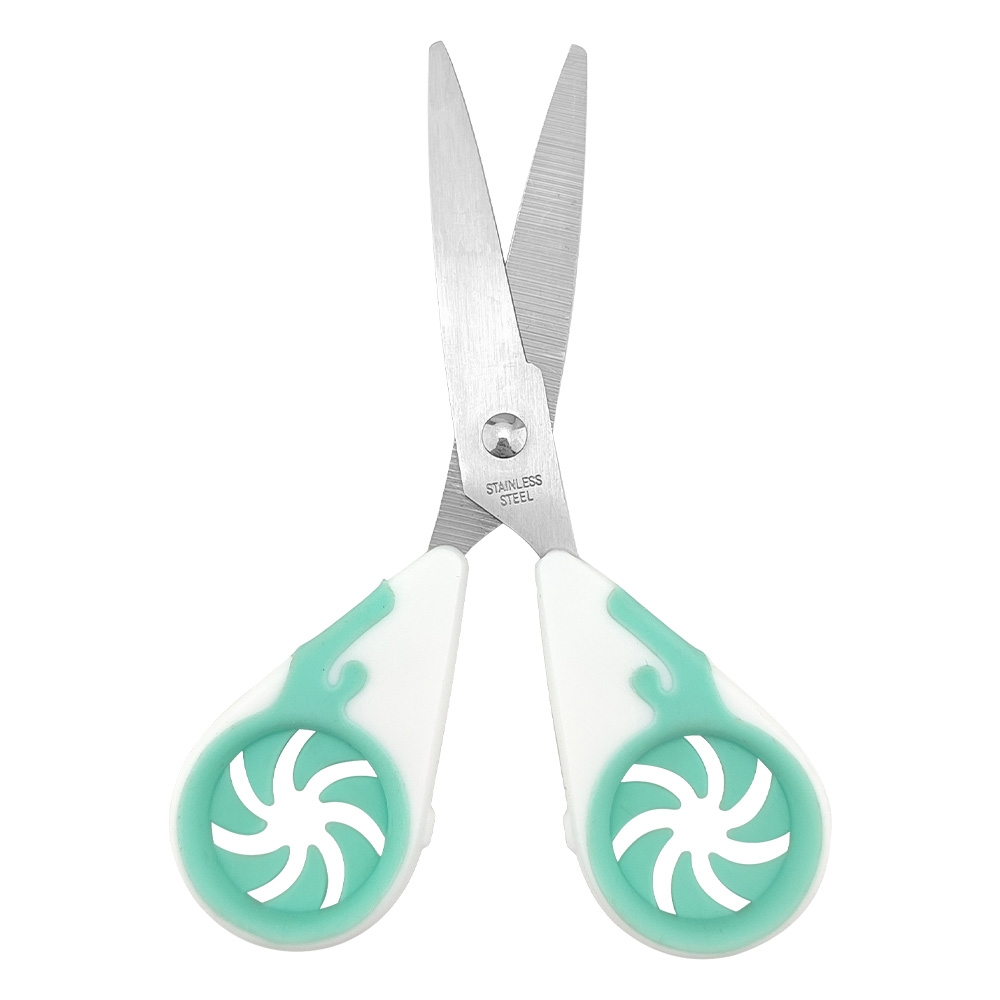
The Best 5 Inch School Scissors for Kids' Safety and Comfort
For schools, stationery retailers, distributors, and OEM buyers, 5 inch school scissors are a small product with important selection details. The size is popular because it is compact enough for many young learners, easy to store in pencil cases, and suitable for common classroom tasks such as cutting paper, card, worksheets, and craft materials. However, buying children’s scissors is not only about price or color. The best choice depends on safety expectations, handle comfort, blade design, packaging, and supplier consistency.
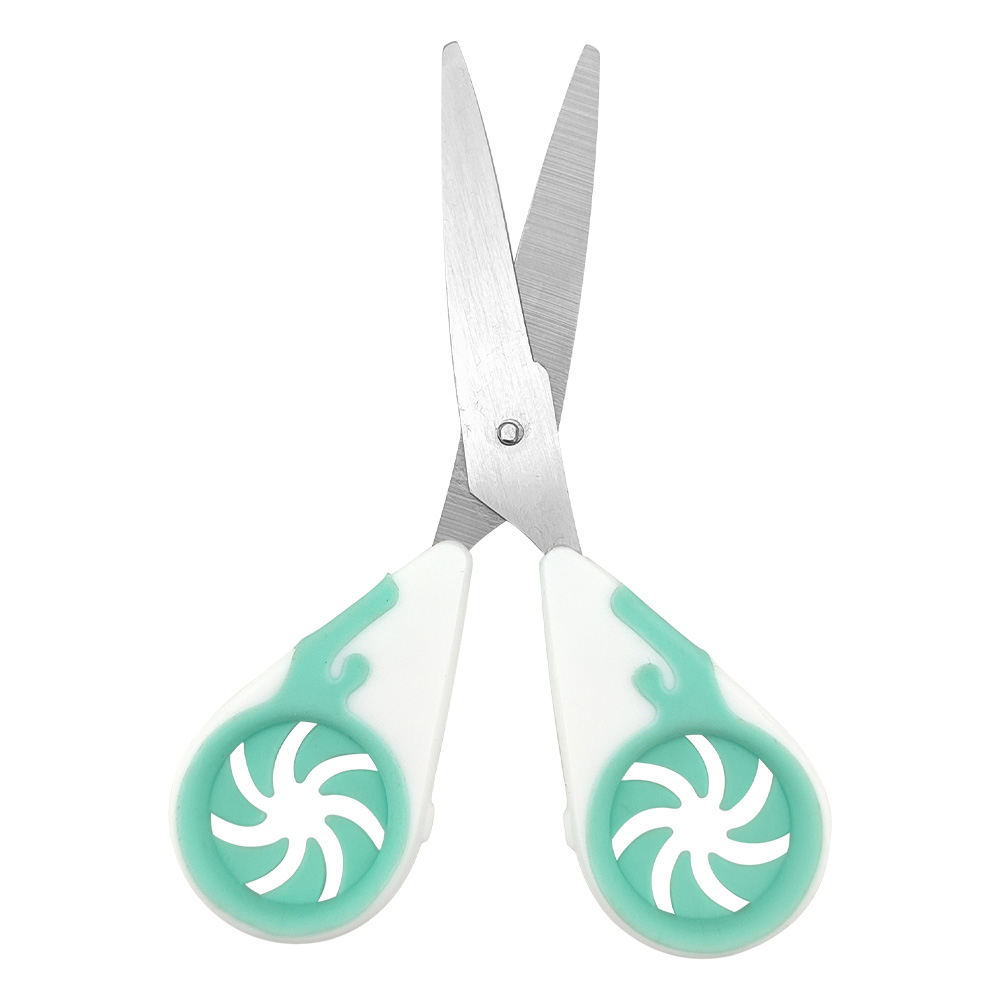
This guide rewrites the buying conversation around practical use and B2B sourcing. It does not assume one product fits every classroom or retail market. Instead, it explains what to check before ordering, what questions to ask an OEM school scissors supplier, and how to evaluate comfort and safety for children.
Key Takeaways
- 5 inch school scissors are commonly selected for young learners because the size is compact and manageable for small hands.
- Soft grip handles can improve comfort, especially during repeated cutting activities, but buyers should test grip feel with the intended age group.
- For children’s scissors, ask suppliers about blade tips, edge finish, handle materials, packaging, and quality inspection procedures.
- OEM buyers should confirm artwork, color matching, sample approval, labeling, and shipping carton details before bulk production.
Why 5 Inch School Scissors Are a Practical Classroom Size
A 5 inch scissors format is widely used in school supply programs because it balances reach and control. Longer scissors may feel awkward for younger students, while very small craft scissors may not cut efficiently through classroom materials. The 5 inch size is usually easier for children to guide along lines, curves, and simple shapes.
For teachers and school buyers, a consistent size also simplifies classroom management. Students can use similar tools at shared workstations, and replacements are easier to plan. For retailers, 5 inch school scissors fit well in back-to-school assortments because they are easy to display, ship, and bundle with other stationery items.
Safety Features to Review Before Buying
Children’s scissors should be evaluated with age, supervision level, and local market expectations in mind. The original article noted the importance of rounded edges and blunt tips. Those are useful features to discuss with a supplier, especially when the scissors are intended for younger learners or classroom sets.
When sourcing, avoid relying only on a product photo. Request actual samples and check the details by hand. Important safety review points include:
- Whether the blade tips are blunt, rounded, or pointed.
- Whether the blade edges are appropriate for the intended cutting materials.
- Whether the pivot screw or rivet feels secure during repeated opening and closing.
- Whether the handles have sharp molding seams or uncomfortable pressure points.
- Whether packaging includes age guidance, warnings, or required market labeling.
If a supplier mentions rust-resistant blades or special safety claims, ask what material, coating, or test basis supports the statement. Do not treat these claims as confirmed until they are documented in the quotation, specification sheet, or sample approval record.
Soft Grip Handles and Comfort for Young Hands
Soft grip scissors are often chosen because the handle feel can be more comfortable than a hard plastic grip, particularly during longer arts and crafts sessions. A cushioned handle may also help children maintain steadier control, but comfort varies by hand size and handle shape.
For a school scissors program, handle design should be checked from several angles. Are the finger holes large enough for the intended age range? Does the thumb loop allow natural movement? Is the soft grip insert firmly attached? Does the surface become slippery if hands are slightly damp or covered with glue residue? These practical questions matter more than decorative appearance.
Retail buyers should also think about color assortment. Bright handle colors can make the product more appealing and easier to organize in classrooms, but color consistency should be confirmed if the order is part of a branded or seasonal program.
Comparison Checklist for School Scissors Buyers
| Selection Point | What to Check | Question to Ask the Supplier |
|---|---|---|
| Size | Confirm the scissors are 5 inch and suitable for the target age group. | Can you provide the finished product dimensions and sample photos with a ruler? |
| Blade tip | Review whether tips are blunt or rounded for children’s use. | What blade tip options are available for school programs? |
| Handle comfort | Test soft grip feel, finger hole size, and grip stability. | Can you send samples of each handle style and color? |
| OEM customization | Check logo, color, packaging, barcode, and carton requirements. | What files and approvals are needed before production? |
| Quality control | Inspect cutting action, pivot firmness, surface finish, and packaging. | What inspection steps are used before shipment? |
OEM School Scissors: What Buyers Should Clarify
OEM school scissors can be useful for distributors, private label brands, school supply kits, and promotional education programs. Custom manufacturing may allow tailored colors, packaging layouts, logo placement, and assortment planning. The key is to define requirements clearly before the supplier quotes the order.
Start with a written product brief. Include the target market, user age range, preferred 5 inch size, handle type, blade tip preference, packaging format, label language, and expected order timeline. If you need retail-ready packaging, ask whether the supplier can support blister cards, hang tags, polybags, or other formats, and request dielines before artwork is finalized.
Also ask commercial questions early, but do not assume details that have not been provided. Buyers should confirm minimum order quantity, lead time, payment terms, sample cost, tooling or artwork fees, carton size, and shipping method directly with the supplier. If compliance documentation is required in your market, request the relevant documents and verify whether they apply to the exact product configuration you plan to buy.
How to Evaluate Samples Before Placing a Bulk Order
A sample review should be practical and repeatable. Open and close each pair several times. Cut straight lines, curves, and simple shapes in paper and card. Check whether the scissors bind, wobble, or feel too loose at the pivot. Inspect the handles for rough edges, inconsistent color, or weak soft grip attachment.
- Compare the sample against the written specification sheet.
- Test several pairs, not just one perfect sample.
- Photograph any issues and share them with the supplier before approval.
- Keep an approved sample for reference during pre-shipment inspection.
- Confirm final packaging and labeling before mass production starts.
For classroom orders, it can be helpful to have educators or parents handle the samples. Their feedback may identify issues that a purchasing team could miss, such as handle pressure, awkward finger placement, or difficulty controlling the cut.
Use and Care Tips for Classrooms and Families
Even well-selected children’s scissors need proper use. Teachers and parents should demonstrate safe cutting posture, remind children to pass scissors handle-first, and store scissors in a box, tray, or pencil case when not in use. Scissors should be used for suitable classroom materials rather than wire, hard plastic, or other items that can damage the blade or create unsafe habits.
If scissors become sticky from glue or tape, wipe them carefully according to the supplier’s care guidance. If the pivot loosens, the blade is damaged, or the handle cracks, remove the scissors from classroom use and replace them.
FAQ
Are 5 inch school scissors suitable for all children?
Not always. The 5 inch size is practical for many young learners, but suitability depends on age, hand size, motor skills, and supervision. Buyers should test samples with the intended user group when possible.
What makes soft grip school scissors different?
Soft grip versions typically include a cushioned handle area designed for more comfortable holding. Buyers should check the grip material, attachment quality, and whether the handle shape fits children’s hands well.
Can OEM school scissors be customized?
Many OEM programs can involve choices such as handle color, packaging design, branding, or assortment planning. Exact options, costs, and lead times should be confirmed with the supplier before ordering.
What should B2B buyers ask before purchasing from a students scissors factory?
Ask for samples, product dimensions, blade tip options, packaging formats, quality inspection steps, carton details, lead time, MOQ, and any documents required for your target market. Keep all approved specifications in writing.
