




Chinese Factory Scissors for Kids: Safety and Craft Sourcing Guide
Chinese factory scissors for kids are often considered by importers, stationery brands, school-supply distributors, and craft retailers because they can support colorful, child-oriented product lines. However, children’s scissors should never be sourced by appearance alone. Buyers need to evaluate safety-focused design, ease of use, age suitability, sample quality, packaging information, and the supplier’s ability to answer compliance questions for the target market.
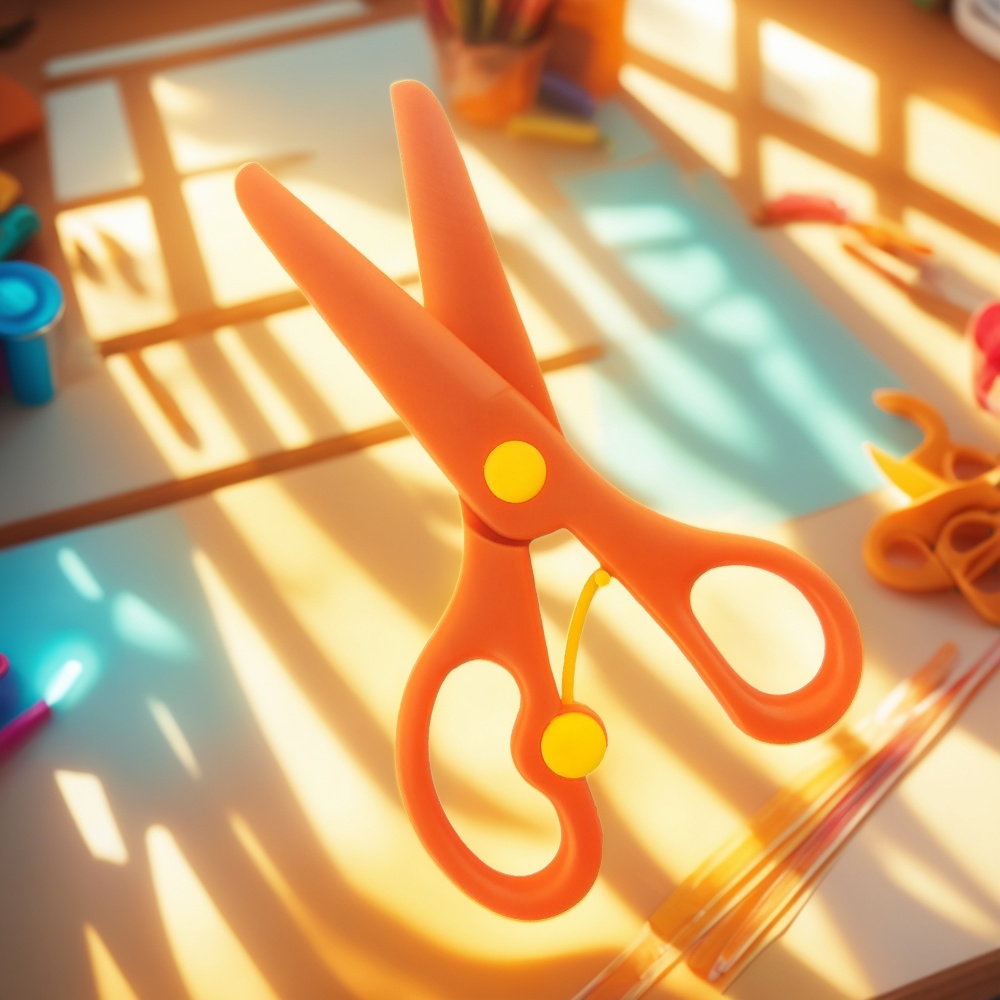
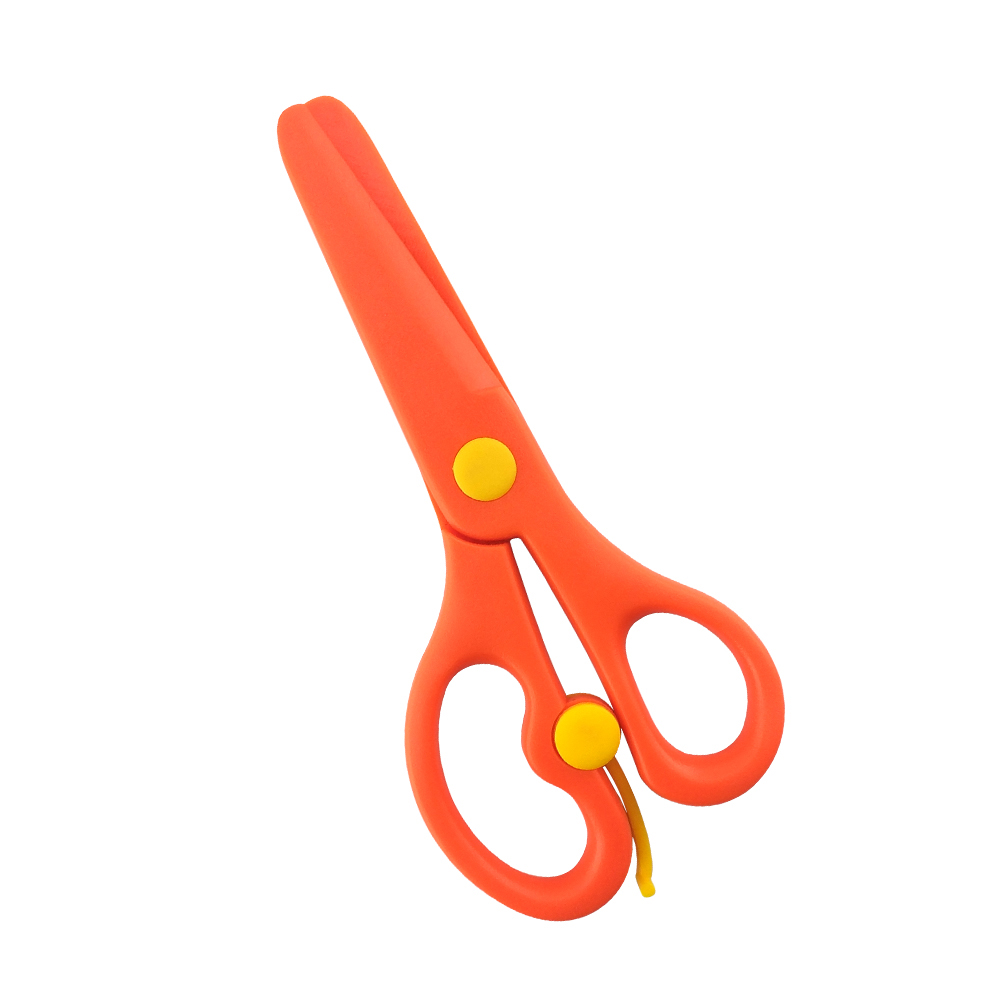
The original product example highlights a full-plastic style of kid scissors with rounded tips, a double-loop handle shape, a yellow pivot mechanism, a safety spring, and a bold orange color. These are useful design cues for children’s craft scissors, but buyers should still verify all performance, safety, labeling, and compliance details directly with the supplier before placing an order.
Key Takeaways
- Choose kids’ scissors based on intended age group, materials to be cut, and classroom or home-use scenarios.
- Rounded tips, lightweight plastic construction, and easy-grip handles can help reduce risk and improve control.
- Ask suppliers for samples, packaging details, test reports where applicable, and clear answers about customization options.
- Do not rely only on product photos; check cutting performance, handle comfort, spring action, and durability in real use.
What Makes Kids’ Scissors Different?
Children’s scissors are designed for early cutting practice, classroom craft work, and simple home projects. Compared with general office scissors, they typically emphasize safer tips, smaller proportions, lower cutting force, and handles that are easier for young users to control. The product described in the original article uses rounded tips, which are important because pointed ends can increase the risk of accidental pokes during active craft sessions.
The full-plastic design is also relevant for young users. Lightweight scissors are easier for children to hold for short cutting tasks, and plastic construction may feel less intimidating than metal-bladed office scissors. That said, buyers should confirm what materials the scissors can cut effectively. The original article mentions paper and felt, but importers should test samples with the actual materials used by their customers, such as printer paper, construction paper, thin card, craft foam, or classroom worksheets.
Safety Features to Check Before Sourcing
Safety should be reviewed as a product system, not as a single feature. Rounded tips are helpful, but buyers should also evaluate edge exposure, hinge movement, spring force, handle size, and whether small parts could loosen during normal use. The example scissors include a yellow pivot mechanism and a built-in safety spring. These details may help with smooth operation and support, but they should be checked carefully in sample testing.
For B2B sourcing, ask the supplier practical safety questions: What age range is the product intended for? Are the tips rounded by design or only slightly blunted? Can the pivot loosen after repeated opening and closing? Is the spring removable, fixed, or enclosed? What warnings and usage instructions are included on packaging? If the product is sold for children, buyers should also ask what testing or documentation is available for the destination market, without assuming that any certification is included unless it is supplied in writing.
Design Details That Affect Usability
Good kids’ scissors should help children practice control rather than fight the tool. The original product description notes an ergonomic double-loop handle shape that can accommodate both left-handed and right-handed users. For school and craft supply buyers, ambidextrous usability can simplify inventory planning because one SKU may serve a wider group of students. Still, it is wise to test comfort with both left- and right-handed users, especially if the handle openings are not symmetrical.
Color also has a practical role. The bold orange body mentioned in the original article can make scissors easier to spot in a busy craft area, reducing time lost during classroom activities. Bright color is not a substitute for safety, but it can support organization, visibility, and child appeal. Buyers planning private-label or OEM orders should ask whether color matching, logo placement, or packaging customization is available and what artwork files the supplier requires.
Comparison Checklist for Buyer Evaluation
| Evaluation Area | What to Check | Questions to Ask the Supplier |
|---|---|---|
| Tip design | Rounded ends and no sharp protrusions | What age group is this tip design intended for? |
| Material and weight | Lightweight full-plastic construction as described | What material is used, and can you provide material details? |
| Handle comfort | Double-loop shape, grip fit, left/right use | Is the handle suitable for both left- and right-handed users? |
| Pivot and spring | Smooth opening, stable pivot, controlled spring action | How is the pivot assembled, and can the spring detach? |
| Cutting performance | Paper, felt, and target craft materials | Which materials has the product been designed to cut? |
| Packaging | Warnings, age guidance, barcode, language needs | Can packaging be customized for our retail market? |
| Documentation | Available reports, declarations, product data | What compliance documents can you provide for review? |
B2B Sourcing Guidance for Chinese Factory Scissors
When sourcing from a Chinese factory or supplier, start with a clear product brief. Include the target user age, expected retail channel, packaging format, preferred colors, logo requirements, and intended craft materials. A clear brief reduces misunderstandings and helps the supplier recommend the closest existing model or explain what would require OEM adjustment.
Before confirming an order, request pre-production or stock samples. Test them for opening and closing smoothness, comfort, cutting consistency, and resistance to normal classroom handling. If the product will be sold under your brand, review packaging copy carefully. Children’s products often require precise warnings and age information, and requirements vary by market. Buyers should not assume that a generic export package is suitable for all countries.
Commercial terms also need careful confirmation. Instead of assuming minimum order quantity, price, lead time, or customization costs, ask the supplier to state them in writing. Important questions include:
- What is the MOQ for standard colors and for custom colors?
- Can the supplier provide a golden sample for approval before mass production?
- What packaging options are available for retail, school supply, or bulk distribution?
- How are random inspections, defect handling, and shipment documentation managed?
- Can the supplier provide product photos, carton details, and labeling files for review?
Use Scenarios: Classroom, Home Craft, and Retail
For classrooms, safety scissors should be easy to distribute, collect, and identify. Bright colors, simple handling, and rounded tips can be helpful in group settings. Teachers may prefer scissors that work reliably on paper and basic craft materials without requiring excessive force. If the scissors include a safety spring, sample testing should confirm that the spring assists cutting without causing sudden movement.
For home craft use, parents often look for tools that support creativity while limiting avoidable risk. Rounded plastic scissors are suitable for supervised cutting practice, greeting cards, paper shapes, and beginner craft activities. Retailers should present the product honestly: these scissors are intended for children’s crafting, not heavy-duty cutting or unsupervised use.
For distributors and wholesalers, the main challenge is consistency. A product that looks acceptable in a photo may vary in pivot tightness, handle finish, or cutting ability across batches. Build sample approval, production inspection, and packaging review into the purchasing process.
Practical FAQ
Are plastic kids’ scissors safer than metal scissors?
They can be more suitable for beginner craft use because they are lightweight and may have rounded tips, but safety depends on the complete design. Children should still use scissors with adult supervision.
Can these scissors cut felt?
The original description mentions paper and felt. Buyers should test samples with the exact thickness and type of felt they plan to market for, because performance can vary by material.
What should importers ask before placing an OEM order?
Ask about material details, intended age range, sample approval, color and packaging customization, available documentation, MOQ, lead time, and how quality issues are handled.
Is a bright color important?
Color is not a safety certification, but a bright orange design can make scissors easier to find in a craft area and more appealing for children’s stationery assortments.
How should buyers verify safety claims?
Request written product information and any relevant test reports from the supplier. Review requirements for your destination market and do not make compliance claims unless they are supported by appropriate documentation.
