




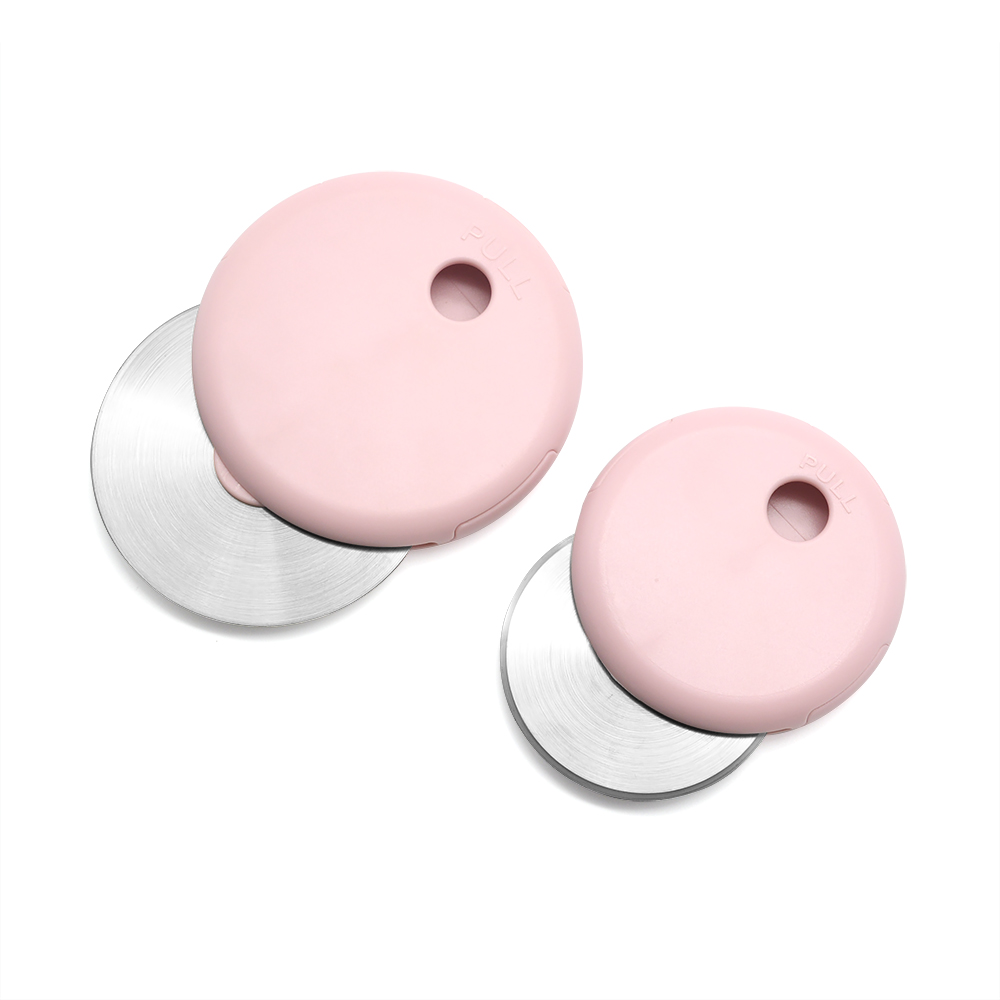
The Best Pizza Cutter Manufacturer: Quality and Innovation
Choosing a pizza cutter manufacturer is not only about finding a low unit price. For retailers, kitchenware distributors, restaurants, and promotional product buyers, the right supplier should help deliver a tool that cuts cleanly, feels stable in the hand, stores safely, and performs consistently across repeated use. A pizza cutter is a simple item, but small design choices can affect user satisfaction, return rates, and brand reputation.
The original article highlighted three useful ideas: the need for a reliable tool, the importance of ergonomic handling and a durable blade, and the value of wholesale sourcing for businesses. This expanded guide turns those points into a practical sourcing checklist, helping buyers compare a pizza slicer factory or OEM supplier with more confidence.
Key Takeaways
- A good pizza cutter should provide clean cuts through crust and toppings without requiring excessive pressure.
- Buyers should evaluate blade sharpness, handle comfort, safety storage, packaging, and consistency between samples and bulk orders.
- Do not rely on vague claims such as “premium quality.” Ask suppliers for material details, test methods, inspection standards, and documentation.
- For wholesale or OEM projects, confirm customization options, lead times, MOQ, carton packing, spare parts if relevant, and after-sales handling before placing an order.
What Makes a Pizza Cutter Reliable?
A reliable pizza cutter should do one main job well: slice pizza cleanly. That means the wheel or blade needs to move smoothly, stay aligned, and cut through crust, cheese, and toppings without dragging them across the pie. In a restaurant or catering setting, the tool may be used many times per day, so durability and easy cleaning become just as important as initial sharpness.
From a sourcing perspective, buyers should look beyond appearance. A product photo may show a polished blade and attractive handle, but performance depends on the actual construction. Ask whether the blade is made from stainless steel, as noted in the original article, and request the specific grade if that detail matters for your market. If a supplier claims rust resistance, ask how that is supported and what care instructions are recommended.
Blade Design: Wheel Cutter or Rocker-Style Slicer?
Most pizza cutters fall into two common formats: a rotating wheel cutter or a long rocker-style slicer. Wheel cutters are compact, familiar to home users, and easy to package for retail. Rocker-style slicers can be efficient for larger pizzas, but they require more storage space and may need additional blade protection.
For a pizza cutter wholesale program, the best format depends on the end customer. A supermarket kitchenware line may favor a compact wheel cutter with retail packaging. A pizzeria supply catalog may offer several versions, including heavy-duty designs. A promotional buyer may prioritize a large branding area on the handle. The key is to match the cutter style to the sales channel and usage environment.
Handle Comfort and Control
The original article correctly emphasized ergonomic grip and control. A pizza cutter handle should feel secure, especially when the user applies downward pressure. If the handle is too thin, slippery, or poorly balanced, the user may need more effort to cut, which can increase frustration and safety risk.
When reviewing samples from a pizza slicer factory, test the handle with both dry and slightly wet hands. Check whether the grip shape allows the wrist to stay in a comfortable position. If a non-slip material is used, ask what the material is and whether it is suitable for the intended cleaning method. For restaurant customers, also ask whether the cutter is intended for dishwasher use or hand washing only. Do not assume dishwasher safety unless the supplier states it clearly and supports it with product guidance.
Safety Features and Storage Details
Pizza cutters have exposed sharp edges, so safety should be part of the product selection process. A protective blade guard, mentioned in the source article, can make storage safer and may be especially useful for retail buyers selling to home kitchens. For wheel cutters, check whether the guard fits securely and whether it is easy to remove without touching the blade.
Other safety-related details include blade alignment, handle stability, and smooth rotation. A wheel that wobbles can cut unevenly and may feel unsafe. A handle that loosens after short use is another warning sign. Ask suppliers how the product is assembled, whether there are screws or rivets, and what inspection steps are used to check alignment before shipment.
Comparison Table: How to Evaluate Pizza Cutter Suppliers
| Evaluation Point | What to Check | Questions to Ask the Supplier |
|---|---|---|
| Blade material | Stainless steel type, thickness, edge finish, rust resistance guidance | What blade material is used, and can you provide the material specification? |
| Cutting performance | Clean slicing through thin and thick crusts, smooth wheel rotation | How do you test sharpness and rotation consistency before shipment? |
| Handle design | Grip comfort, balance, non-slip feel, assembly strength | What handle material is used, and is it suitable for the intended cleaning method? |
| Safety and storage | Blade guard, edge protection, secure packaging | Is a protective guard available, and can it be included in retail packaging? |
| Wholesale readiness | Carton packing, labeling, lead time, quality inspection process | What are the MOQ, production lead time, packing details, and inspection standards? |
| OEM options | Logo placement, handle color, packaging design, barcode or label support | Which customization options are available, and what files or approvals are required? |
Wholesale and OEM Sourcing Considerations
For businesses, pizza cutter wholesale sourcing can reduce per-unit cost and create more control over packaging and branding. However, wholesale buying also increases the importance of clear specifications. Before confirming an order, define the product version in writing: blade size, handle material, color, packaging type, guard inclusion, logo method, carton quantity, and inspection requirements.
If you need OEM or private label products, ask whether the manufacturer can support logo printing, custom packaging, or color matching. Also ask what artwork format is required, how samples are approved, and whether production will match the approved sample. Avoid relying only on verbal agreements. A simple specification sheet can prevent misunderstandings between buyer, supplier, and freight forwarder.
Sample Testing Before Bulk Orders
Samples are essential when comparing suppliers. Test each pizza cutter on several pizza styles, including thin crust, thicker crust, and pizzas with heavier toppings. A quality cutter should slice without pushing toppings off the base. Check whether the blade rotates smoothly after washing and drying. Also inspect the handle joint, blade edge, and any guard or packaging after repeated use.
For retail buyers, consider how the product looks on shelf and how clearly the packaging communicates use and care. For restaurant supply buyers, prioritize durability, cleaning convenience, and replacement planning. If the supplier offers multiple product grades, request samples from each grade rather than assuming they perform the same.
Red Flags When Choosing a Pizza Slicer Factory
- Unclear material descriptions such as “good steel” without a specification.
- No clear answer about MOQ, production time, or sample approval process.
- Product photos that do not match the sample received.
- Loose wheel movement, rough blade edges, or weak handle assembly in samples.
- Claims about certifications, testing, or compliance without documents available for review.
These red flags do not always mean a supplier is unsuitable, but they do mean buyers should ask more questions before committing to a bulk order.
Practical FAQ
What should I ask a pizza cutter manufacturer first?
Start with blade material, handle material, available sizes or designs, MOQ, sample cost, lead time, packaging options, and quality inspection process.
Is stainless steel important for a pizza cutter blade?
Stainless steel is commonly used because it can provide a durable cutting edge and resist rust when properly maintained. Ask the supplier for the exact material specification and care instructions.
Should I choose a wheel cutter or a rocker slicer?
Wheel cutters are compact and suitable for many retail and home-use channels. Rocker slicers may be useful for larger pizzas or foodservice settings, but they require more storage space and careful blade protection.
Can a pizza cutter be customized for private label sales?
Many suppliers may offer logo, color, or packaging customization, but options vary. Ask about MOQ, artwork requirements, sample approval, production lead time, and any setup costs.
How can I reduce quality risks in wholesale orders?
Approve a physical sample, create a written specification sheet, confirm packaging details, request pre-shipment inspection criteria, and keep communication records with the supplier.
Final Sourcing Advice
The best pizza cutter manufacturer for your business is the one that can consistently match your market needs, not simply the one with the lowest quotation. Evaluate samples carefully, verify material and packaging details, and ask practical questions about inspection and customization. A well-chosen pizza cutter can serve home cooks, pizzerias, restaurants, and kitchenware retailers effectively when product performance and sourcing discipline are both taken seriously.
