




The Best Plastic Handle Tailor Scissors for Precision
Tailor scissors are everyday tools for sewing rooms, sample makers, alteration shops, fashion students, and home crafters. The right pair should cut cleanly, feel controlled in the hand, and match the type of fabric work being done. Plastic handle tailor scissors are popular because they can offer a comfortable grip while keeping the tool practical for repeated use.
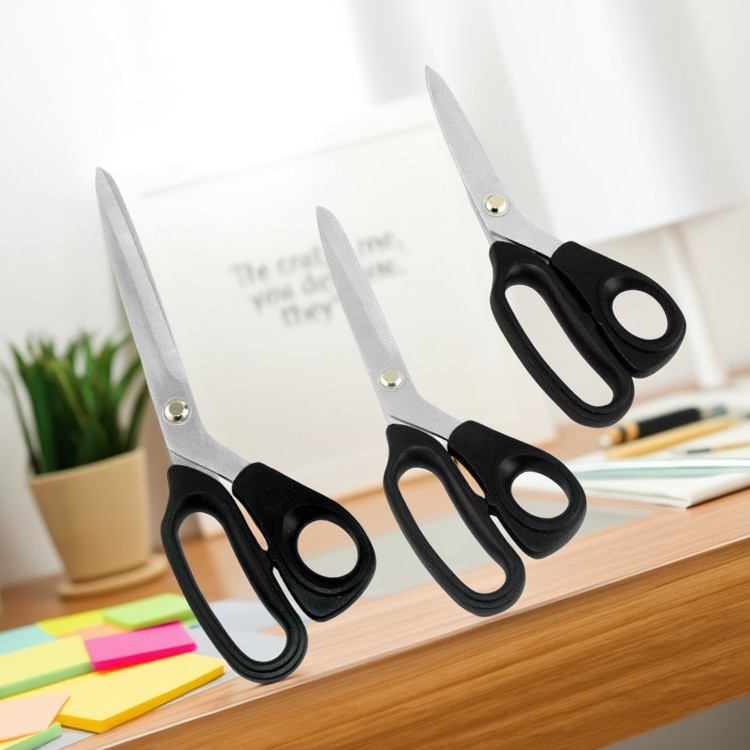
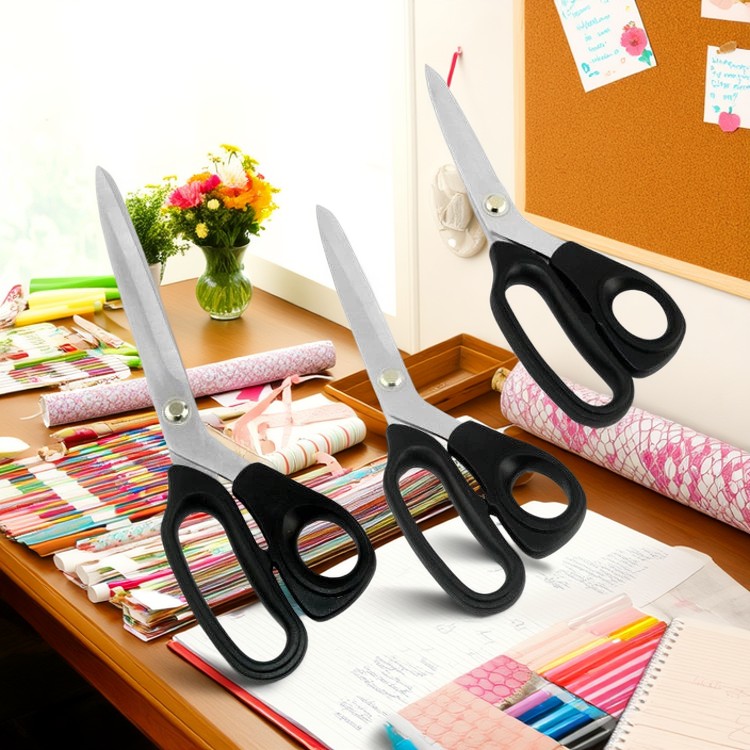
The original product presentation highlights plastic handle tailor scissors with stainless steel blades, a brass pivot, black ergonomic plastic handles, and a three-size set for different cutting tasks. This guide explains how to evaluate those features in real use, what to look for before buying, and how to care for scissors so they stay useful for fabric cutting.
Key Takeaways
- Choose tailor scissors by fabric type, hand comfort, blade length, and cutting control rather than appearance alone.
- Plastic handles can reduce hand strain when the handle shape fits your grip and cutting style.
- A set with large, medium, and compact scissors can cover long cuts, general sewing tasks, and detail work.
- Keep fabric scissors separate from paper, wire, packaging, and household cutting to protect blade sharpness.
- Ask about blade material, pivot construction, sharpening guidance, and after-sales support before sourcing in bulk.
Why Plastic Handle Tailor Scissors Are Popular
Traditional tailor scissors are often associated with heavy all-metal construction, but not every user wants extra weight during long cutting sessions. Plastic handles can make scissors easier to hold, especially for users who cut multiple pattern pieces or perform repetitive trimming. The black plastic handles described in the original article are designed for ergonomic handling and a slip-resistant grip, which can help the user maintain control.
Comfort matters because fabric cutting is not only about blade sharpness. A pair of scissors that feels awkward can cause uneven pressure, jagged edges, or hand fatigue. When choosing plastic handle tailor scissors, test how your fingers sit in the handle loops, whether the thumb moves freely, and whether the cutting motion feels natural from the first squeeze to the blade tip.
Blade Quality and Cutting Precision
The original product information states that these scissors use stainless steel blades. For sewing and tailoring, stainless steel is valued because it can provide a clean cutting edge when properly manufactured and maintained. Precision depends on blade alignment, edge sharpness, pivot tension, and how smoothly the blades meet along the cutting line.
A good pair should open and close without grinding, wobbling, or sticking. When cutting fabric, the blades should not push the fabric forward or chew the edge. For delicate materials such as silk, a clean edge helps reduce fraying and distortion. For tougher fabrics such as denim, the user needs enough blade strength and leverage to cut without forcing the wrist. Always match the scissor size and cutting method to the fabric thickness.
Understanding the Three-Size Set
The original article notes that the set includes three distinct sizes. This is useful because one scissor cannot handle every sewing task equally well. Larger blades are better for long, sweeping cuts across pattern pieces. Medium scissors are practical for general sewing room tasks. Compact scissors help with tight corners, small notches, seam trimming, and detail work.
| Scissor size | Best use | What to check before buying |
|---|---|---|
| Large | Long cuts on fabric panels, patterns, and straight edges | Blade alignment, smooth opening, handle comfort during full-length cuts |
| Medium | General sewing, alterations, cutting interfacing, and daily workshop tasks | Balanced weight, controlled pivot tension, comfortable grip |
| Compact | Detail trimming, small curves, thread trimming, corners, and notches | Tip accuracy, ease of control, finger room in the handle |
How to Choose the Right Pair for Your Work
Before buying tailor scissors, define the main job. A professional alteration shop may need reliable cutting performance throughout the day. A hobby sewer may prefer comfort and versatility. A craft user may need both fabric cutting and detail trimming. Selection should be based on practical handling rather than generic claims.
- Check the grip: The handle should not pinch the fingers or force the wrist into an uncomfortable angle.
- Open and close the scissors: The motion should feel smooth from heel to tip.
- Inspect the pivot: The original product mentions a brass pivot; confirm that it holds the blades firmly without looseness.
- Match size to task: Use large scissors for long cuts and compact scissors for detail work.
- Protect the edge: Keep tailor scissors dedicated to fabric only.
Use and Care Tips for Longer Service
Even well-made scissors can become frustrating if they are used incorrectly. The simplest rule is to separate fabric scissors from general household scissors. Paper, cardboard, plastic packaging, adhesive tape, and craft wire can dull or damage the cutting edge. If several people use the same sewing area, label the scissors clearly as fabric-only tools.
After cutting lint-heavy fabrics, wipe the blades with a dry soft cloth. Store scissors closed and avoid dropping them, because impact can affect blade alignment or the pivot. If the cutting action becomes stiff, check whether lint has collected around the pivot. For sharpening or adjustment, follow the supplier’s guidance or use a professional sharpening service familiar with sewing scissors.
Guidance for Retailers, Wholesalers, and OEM Buyers
For B2B sourcing, plastic handle tailor scissors should be assessed by sample testing, packaging requirements, and consistency across batches. Do not rely only on product photos. Ask the supplier for clear answers about blade material, handle material, pivot construction, available sizes, packaging options, and whether private labeling or OEM customization is available. If any compliance documents, testing reports, or certifications are required for your market, request current documentation directly from the supplier rather than assuming availability.
Bulk buyers should also test several pieces from a sample lot. Compare cutting smoothness, blade alignment, handle finish, and edge consistency. If the scissors will be sold as a three-piece set, confirm how each size is packed, whether protective sleeves are included, and how the product is protected during transport. Commercial details such as MOQ, lead time, pricing tiers, sample cost, carton quantity, and warranty terms should be confirmed in writing before placing an order.
Common Buying Mistakes to Avoid
One common mistake is choosing scissors only by blade length. A long blade is useful, but it may feel awkward if the handle does not fit the hand. Another mistake is using one pair for every material. Heavy fabric, slippery fabric, and small trimming tasks often need different sizes or cutting techniques. Buyers should also avoid vague descriptions such as “professional quality” unless they are supported by clear specifications, samples, or performance checks.
For consumers, the best plastic handle tailor scissors are the ones that cut your common fabrics cleanly and remain comfortable after repeated use. For business buyers, the best option is the one that delivers consistent quality, clear specifications, and reliable communication from the supplier.
FAQ
Are plastic handle tailor scissors suitable for professional sewing?
Yes, they can be suitable if the blades are sharp, the pivot is stable, and the handle is comfortable for repeated cutting. Professional users should test samples on the fabrics they cut most often.
Can these scissors cut both silk and denim?
The original article states that the scissors can cut delicate silks and tougher fabrics like denim. In practice, use the correct size, avoid forcing the blades, and keep the edge sharp for best results.
Why choose a three-size scissor set?
A three-size set gives more control across different tasks. Large scissors help with long fabric cuts, medium scissors handle everyday sewing work, and compact scissors are useful for trimming and detail cuts.
How should I maintain tailor scissors?
Use them only on fabric, wipe the blades clean after use, store them closed, and avoid dropping them. If cutting becomes rough or uneven, ask the supplier or a sharpening professional for maintenance advice.
What should wholesale buyers ask before ordering?
Ask about blade and handle materials, pivot details, size options, packaging, private-label availability, sample testing, lead time, MOQ, pricing, and any documents required for your sales market.
