




The Best Tailor Scissors Wholesale: Precision & Style
Buying tailor scissors wholesale is not just about finding a low unit cost. For sewing studios, craft retailers, uniform suppliers, school programs, and distributor catalogs, scissors affect daily work quality, customer satisfaction, and repeat purchasing. A pair that cuts cleanly, feels stable in the hand, and arrives consistently from batch to batch is easier to sell and easier to use.
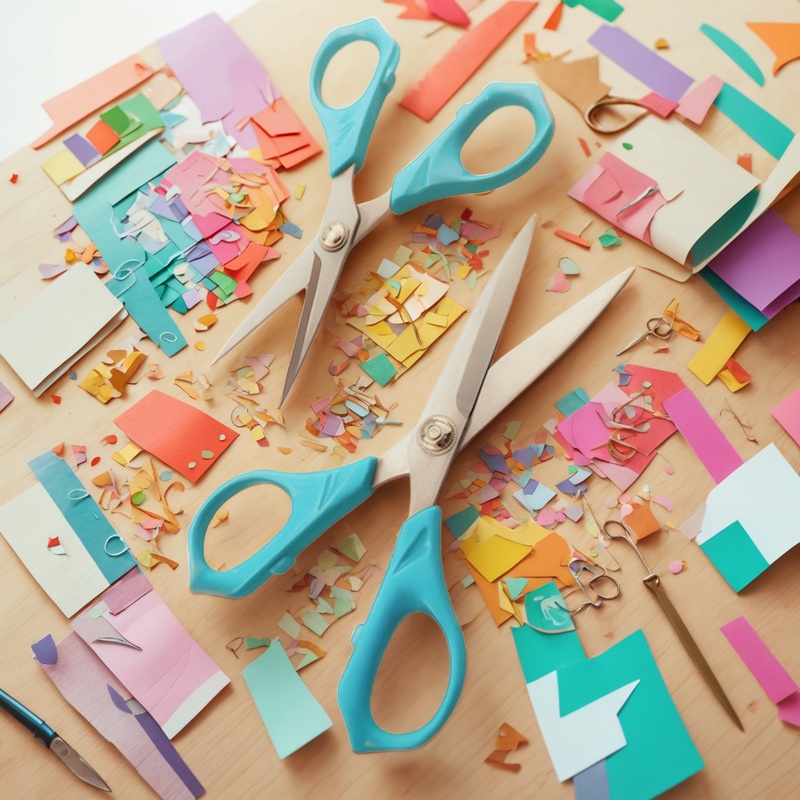
This guide rewrites the essentials of the original Bonet Houseware article into a practical B2B sourcing framework. The featured product is a Duo-Tone Precision Scissors Set with stainless steel blades, turquoise ergonomic soft-grip handles, ambidextrous handle design, geometric contours for grip, and two sizes: a compact pair for detail work and a larger pair for broader cutting tasks.

Key Takeaways
- Wholesale tailor scissors should be evaluated by cutting performance, comfort, consistency, packaging, and after-sales support.
- Stainless steel blades and ergonomic soft-grip handles are useful features, but buyers should still request samples before committing to volume orders.
- A two-piece scissors set can serve both detailed trimming and larger fabric-cutting tasks.
- Ask suppliers clear questions about materials, tolerances, packaging options, lead times, and quality inspection methods.
What Wholesale Buyers Should Look For
The best tailor scissors for wholesale programs are reliable across many users, not just impressive in a single sample. A retailer may need attractive shelf presentation, while a factory buyer may care more about durability and repeatability. A sewing school may prioritize comfort for different hand sizes, and a craft store may need a set that is easy for customers to understand at a glance.
Start with the intended use. Scissors for sewing may be used on light fabrics, thread, patterns, denim, craft textiles, and general studio materials. The original product description notes clean cutting on materials from delicate silks to robust denim. For bulk purchasing, buyers should confirm the real working range through sample testing, especially if the scissors will be marketed for fabric rather than general household use.
Blade Quality and Cutting Performance
Blade integrity is central to any tailor scissors wholesale decision. The Duo-Tone Precision Scissors Set is described with stainless steel blades, which is a common and practical choice for cutting tools. However, stainless steel can vary by grade, hardness, edge retention, polish, thickness, and finishing method. Because the source article does not state a specific grade or hardness, wholesale buyers should ask the supplier for those details rather than assuming them.
During sample evaluation, test the scissors on several materials that match your market. Try cotton fabric, denim offcuts, lining material, paper patterns, thread, and layered fabric. The cut should start smoothly at the pivot, continue through the blade length, and finish cleanly at the tip. Check whether the blades push fabric forward, snag fine threads, or leave ragged edges. These observations are more useful than relying only on product photos.
Handle Comfort for Long Cutting Sessions
The original article highlights vibrant turquoise ergonomic handles with soft-grip technology. It also notes ambidextrous handles, making the set suitable for both left- and right-handed users. These are meaningful details for wholesale buyers because comfort affects user satisfaction, especially in sewing rooms and training environments where scissors may be used for long periods.
When reviewing samples, have multiple users test the grip. A handle that works well for one hand size may feel tight, loose, or unbalanced for another. The geometric contours described in the source can help reduce slipping, but buyers should still test control during long straight cuts and small curved cuts. If the scissors will be sold in retail, consider whether the handle color and feel support the target price point and customer expectation.
Two-Piece Set: When It Makes Sense
This product includes two pairs of scissors: a compact pair for intricate, detail-oriented work and a larger pair for more substantial cutting projects. For wholesale buyers, this format can be useful because it offers a complete set instead of a single tool. It may appeal to sewing beginners, craft customers, alteration shops, school kits, and promotional bundles.
A two-piece set also requires more careful inspection. Both scissors should meet acceptable cutting and finish standards. Do not allow the smaller pair to be treated as an accessory with lower quality expectations. If selling as a set, the value depends on both pieces working well for their intended tasks.
Comparison Checklist for Supplier Evaluation
| Evaluation Area | What to Check | Questions to Ask the Supplier |
|---|---|---|
| Blade material | Stainless steel blades are stated; verify grade and finish | What stainless steel grade is used, and how is edge sharpness controlled? |
| Cutting use | Test on fabrics, threads, paper patterns, and layered samples | What materials are these scissors designed to cut regularly? |
| Handle design | Soft-grip turquoise ergonomic handles and ambidextrous shape | Can you provide handle material details and color consistency standards? |
| Set configuration | One compact pair plus one larger pair | Can the set contents, labeling, or packaging be customized? |
| Packaging | Retail display, shipping protection, barcode needs | What packaging options are available for wholesale or OEM orders? |
| Quality control | Cutting test, pivot tension, surface finish, handle fit | What inspection steps are performed before shipment? |
Wholesale, OEM, and Packaging Questions
If you are sourcing tailor scissors wholesale for resale, ask practical commercial questions early. The original article does not provide minimum order quantities, pricing, production capacity, certifications, or lead times, so those details should be confirmed directly with the supplier. Avoid building a catalog launch around assumptions that have not been documented.
- Request physical samples from the same production route expected for bulk orders.
- Ask whether logo, color, insert card, barcode, or retail packaging options are available.
- Confirm carton packing, inner pack quantity, and shipping protection.
- Ask how the supplier handles defective items, shortages, and replacement procedures.
- Confirm whether any compliance documents are needed for your destination market.
For OEM or private-label buyers, provide a clear specification sheet. Include blade length, total length, handle color, packaging artwork, labeling language, carton marks, inspection standard, and target market. The more specific the brief, the easier it is to compare supplier quotations fairly.
Sample Inspection Before Bulk Ordering
A good sample inspection process prevents many wholesale problems. First, check appearance: blade finish, handle surface, alignment, screws or pivot area, and packaging condition. Second, test cutting performance with the same materials your customers will use. Third, measure consistency if multiple samples are provided. One excellent sample is not enough if the next five behave differently.
Also check safety and usability. Open and close each pair several times. The movement should feel controlled, not loose or stiff. Inspect the tips for alignment and the handle for rough edges. If the scissors are intended for retail shelves, confirm that the packaging communicates the two-piece set clearly and protects the blades during transport.
Practical FAQ
Are stainless steel blades enough to identify high-quality tailor scissors?
No. Stainless steel is a useful material description, but buyers should also ask about grade, edge finishing, hardness, corrosion resistance, and quality control testing. Always verify with samples.
Is a two-piece scissors set better than a single pair?
It depends on the buyer. A set can be attractive for sewing kits, craft stores, and studios because it covers both detail work and larger cutting tasks. For specialized industrial use, a single purpose-built pair may be preferred.
Can ambidextrous handles replace dedicated left-handed scissors?
Ambidextrous handles can make scissors more accessible to different users, but left-handed professionals may still prefer dedicated left-hand blade orientation. Test with real users before positioning the product.
What should I ask before placing a wholesale order?
Ask about material details, sample availability, MOQ, lead time, packaging, logo options, inspection process, defect handling, and shipping terms. Request written confirmation for any critical requirement.
How should retailers present tailor scissors to customers?
Focus on practical use: fabric cutting, detail trimming, handle comfort, and the benefit of two sizes in one set. Avoid unsupported claims and keep care instructions simple, such as wiping blades dry and using the scissors on suitable materials.
Final Sourcing Advice
For wholesale buyers, the right tailor scissors are selected through evidence, not adjectives. The Duo-Tone Precision Scissors Set offers clear points to evaluate: stainless steel blades, turquoise ergonomic soft-grip handles, ambidextrous use, non-slip contours, and a compact-plus-large set format. Use those features as the starting point, then confirm performance with samples, supplier documentation, and a defined inspection checklist before ordering in volume.
