




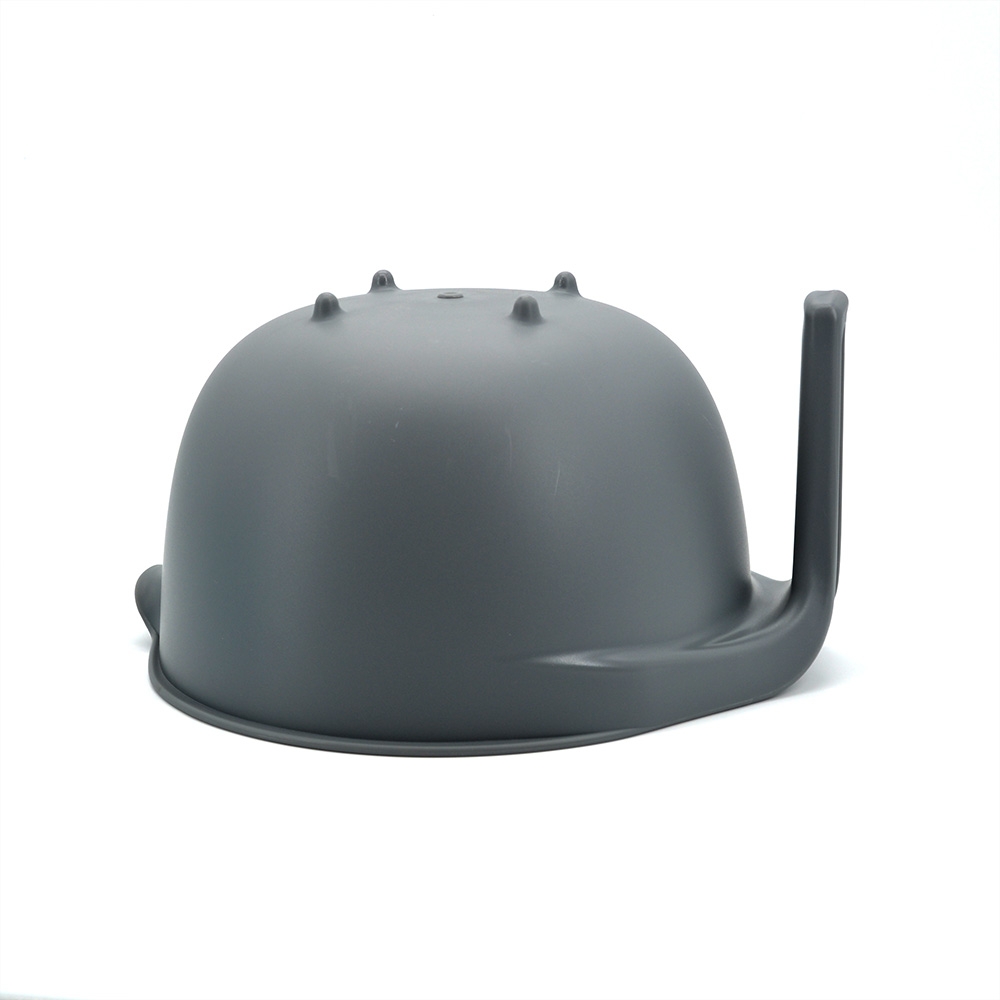
The Best Water Filtering Basket Supplier: Kitchen Essentials
Choosing a water filtering basket supplier is not only about finding a kitchen tool that drains vegetables. For retailers, importers, distributors, and private-label buyers, the decision affects product positioning, customer satisfaction, packaging, after-sales questions, and repeat orders. A multifunctional slicer and strainer set can be attractive because it combines rinsing, slicing, grating, julienning, and draining in one compact product. However, buyers should evaluate both the visible features and the supplier’s ability to support consistent quality.
The original product concept includes a white and orange multifunctional slicer and strainer set with an ergonomic rotating colander, interchangeable stainless steel blades, a non-slip food holder, and a collapsible colander for compact storage. These are useful features for home kitchens, but B2B buyers should still confirm construction details, packaging options, replacement parts, and product testing expectations before placing a bulk order.
Key Takeaways
- A good water filtering basket supplier should be evaluated on product consistency, communication, sample quality, packaging support, and order documentation.
- For multifunctional slicer and strainer sets, check blade fit, colander rotation, drainage performance, stability, and ease of cleaning.
- Do not rely only on photos. Request samples and inspect how the product performs with real vegetables and fruits.
- Ask clear questions about materials, labeling, carton packing, spare parts, and any compliance documents required for your target market.
What a Water Filtering Basket Supplier Should Provide
A water filtering basket supplier should be able to explain how the product is intended to be used, what components are included, and how the design solves common kitchen preparation problems. In this case, the main value is a combined slicer and strainer format. The user can prepare vegetables with interchangeable blades, then use the colander to rinse or drain ingredients. The rotating colander design is especially relevant because it supports smoother transitions between washing and straining.
For B2B sourcing, buyers should ask for a complete component list. Does the set include all blades shown in the marketing material? Is the non-slip food holder included as standard? Is the collapsible colander part of every package or only one configuration? These details matter because inconsistent kits can cause customer complaints and listing errors on retail platforms.
Product Features to Evaluate Before Ordering
The product described in the source includes interchangeable stainless steel blades for julienning, grating, and slicing. That is a helpful feature set, but buyers should examine the usability of each function. Blades should be easy to insert and remove, yet secure enough during use. The food holder should help keep fingers away from the cutting surface and provide grip on vegetables of different shapes.
The collapsible colander is another feature worth testing. It should fold and unfold smoothly, sit securely during use, and drain water efficiently. If the colander rotates, check whether the movement feels stable or loose. A rotating mechanism may improve convenience, but it also introduces a moving part that should be checked during sample evaluation.
Comparison Checklist for Supplier Evaluation
| Evaluation Area | What to Check | Questions to Ask the Supplier |
|---|---|---|
| Product configuration | Blade types, colander, food holder, and included accessories | What exactly is included in one retail set? |
| Blade performance | Slicing, grating, and julienning consistency | Can you provide samples for function testing? |
| Drainage design | Water flow, basket depth, and rotating colander stability | How should the colander be used and cleaned? |
| Safety and handling | Non-slip food holder, grip, and blade storage | Are use instructions and safety warnings available? |
| Packaging | Retail box, inner protection, carton packing, labeling | Can packaging be adjusted for wholesale or private label? |
| Quality control | Fit, finish, sharp edges, moving parts, missing pieces | What inspection steps are used before shipment? |
How to Assess a Vegetable Cutting Basket Supplier
A vegetable cutting basket supplier should understand both cutting performance and water-draining performance. Many kitchen tools perform one task well but become frustrating when several functions are combined. During sourcing, test the product with common vegetables such as carrots, cucumbers, potatoes, leafy greens, and apples if the supplier positions the item for general produce preparation. Look for uniform cuts, comfortable hand positioning, and easy cleaning after use.
Buyers should also consider how the product will be explained to end users. A multifunctional item often needs clearer instructions than a simple colander. Ask whether the supplier can provide an instruction sheet, product diagram, or packaging text. If you sell in multiple regions, ask whether language versions can be supported. Do not assume this is available unless the supplier confirms it.
OEM, Wholesale, and Private-Label Questions
If you are sourcing for retail, wholesale, or OEM projects, the commercial details should be confirmed early. The original article does not provide minimum order quantities, production capacity, pricing, certificates, or testing results, so these should be treated as open questions rather than assumptions. A professional sourcing process should clarify the following points before you commit:
- What is the standard product configuration and are alternative configurations available?
- Can the color combination be changed, or is the white and orange design the standard option?
- What packaging formats are available for retail, e-commerce, or wholesale cartons?
- Can the supplier support logo placement, custom labels, or instruction inserts?
- What sample policy, lead time, and payment terms apply?
- Which documents can the supplier provide for your destination market if required?
- How are missing parts, damaged goods, or quality issues handled after delivery?
These questions help separate a general kitchen accessories supplier from a partner that can support repeat B2B orders. Clear answers also reduce the risk of misunderstandings when you prepare product listings, catalogs, or retailer presentations.
Quality Checks for a Slicer and Strainer Set
Before approving a water filtering basket for bulk purchase, inspect samples carefully. Check for rough edges, unstable components, blade looseness, unclear instructions, or packaging that allows damage during transport. The non-slip food holder should be tested with different produce sizes. If the tool is difficult to hold or requires too much force, customers may stop using it even if the concept is appealing.
Cleaning is another practical concern. The source article highlights an easy-to-clean design, so buyers should verify this in real use. Food can collect around blades, grooves, hinges, or the rotating mechanism. Ask the supplier for care guidance and confirm whether any components should be washed by hand. Avoid making dishwasher or heat-resistance claims unless the supplier provides explicit and reliable product information.
Positioning the Product for Your Market
A multifunctional slicer and strainer set can fit several market segments: home cooking, compact kitchens, meal preparation, vegetable-focused diets, and general kitchen accessories. For e-commerce, the strongest message is usually practical convenience: rinse, cut, drain, and store more efficiently. For wholesale buyers, the product may be positioned as a space-saving kitchen preparation set with multiple cutting options.
However, avoid overstating the benefits. A product like this does not replace every kitchen knife or every colander. It is best marketed as a helpful preparation tool for everyday fruits and vegetables. Accurate positioning leads to better reviews and fewer returns.
Practical FAQ
What should I ask a water filtering basket supplier first?
Start by asking for the full product configuration, sample availability, packaging details, and any documents needed for your sales market. Confirm what accessories are included in each set.
Are interchangeable stainless steel blades important?
Yes, they add value by supporting slicing, grating, and julienning. Buyers should test how securely the blades fit and how easily users can change them.
How can I check whether the rotating colander is reliable?
Use the sample repeatedly with rinsed produce and water. Check stability, rotation smoothness, drainage speed, and whether the mechanism traps food residue.
Can this product be used for private label?
Possibly, but you should ask the supplier directly about logo options, packaging customization, instruction inserts, minimum order quantity, and sample approval steps.
What should not be assumed when sourcing this item?
Do not assume material grades, certifications, dishwasher safety, production capacity, prices, or compliance results unless the supplier provides clear confirmation.
Final Sourcing Advice
The best water filtering basket supplier for your business is the one that can provide a practical product, consistent components, clear communication, and transparent answers. The multifunctional slicer and strainer set described here has useful features: a rotating colander, collapsible basket, non-slip food holder, and interchangeable stainless steel blades. To turn those features into a reliable retail or wholesale item, evaluate samples carefully and ask detailed sourcing questions before placing a bulk order.
