




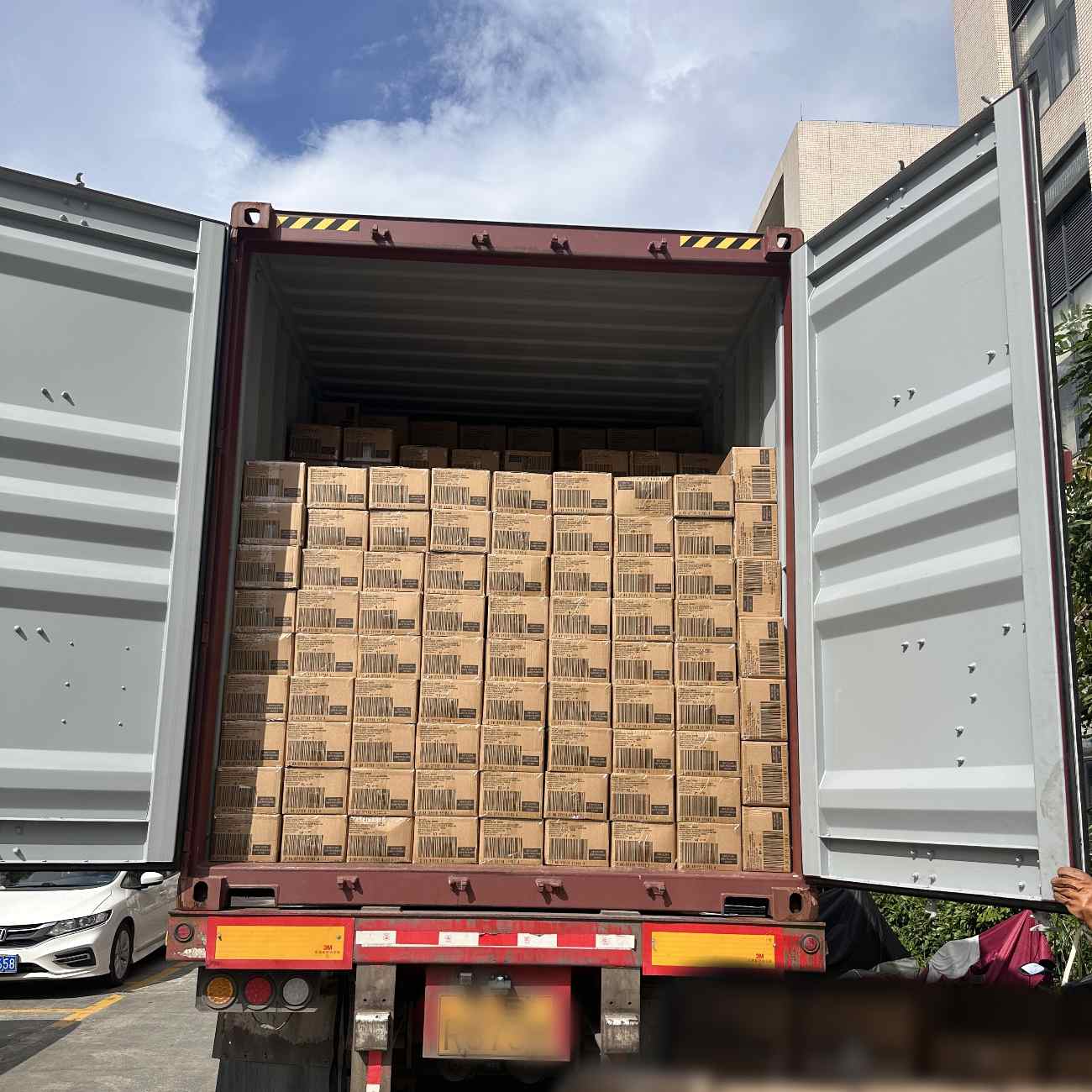
The Daily Record of Scissors Container Stuffing
For importers, wholesalers, and purchasing teams, a container loading day is more than a warehouse routine. It is the point where a purchase order, packing plan, carton labels, inventory records, and transport schedule must come together. This daily record of scissors container stuffing explains what buyers should look for when reviewing a shipment of scissors before it leaves the supplier facility.
The original shipment record highlights a container of scissors, secure packing, inventory logging, and recyclable carton materials. This article expands that idea into a practical sourcing guide. It does not replace a formal inspection, but it can help buyers ask better questions and reduce preventable loading problems.
Why Container Stuffing Records Matter for Scissors Shipments
Scissors are compact products, so a single container can include many cartons and product variants. That makes loading accuracy important. If carton counts are wrong, labels are unclear, or mixed SKUs are not separated, the issue may only be discovered after the shipment arrives at the destination warehouse. By that point, the cost of sorting, rechecking, and delayed order fulfillment can be higher than the cost of better documentation at origin.
A good stuffing record gives the buyer a traceable summary of what was loaded, when it was loaded, and how the cartons were arranged. It may include photos or video, container number, seal number, carton count, gross weight information, and references to the packing list. Buyers should confirm exactly what their supplier can provide before shipment day.
Pre-Loading Preparation: What Buyers Should Confirm
Before the truck arrives, the supplier should have a clear loading plan. For scissors orders, this usually means checking that all cartons are finished, labeled, counted, and ready in the correct loading area. The buyer should not assume these steps are automatic, especially when one order contains different sizes, handle styles, retail packs, or customer labels.
- Ask whether the final packing list matches the purchase order and commercial invoice.
- Confirm how cartons are labeled, including SKU, quantity, destination, and carton number if applicable.
- Request photos of representative outer cartons before loading.
- Ask whether recyclable carton materials are used if that is part of your packaging requirement.
- Clarify who is responsible for checking container condition before loading begins.
The original article notes environmentally conscious packaging and recyclable box materials. If this matters for your market, ask the supplier to state the carton material and documentation they can provide, rather than relying on a general claim.
Secure Packing for Scissors During Transport
Scissors need protection from impact, carton compression, moisture, and unnecessary movement during transit. Secure packing starts with the inner retail or bulk package, but container stuffing also matters. Cartons should be stacked in a way that supports weight evenly and reduces empty space. Heavy cartons should not crush lighter cartons. If mixed goods are loaded, the arrangement should follow a documented plan.
Buyers should ask the supplier how sharp edges and product tips are protected inside the packaging. The source article mentions scissors with stainless steel blades and ergonomic designs, but buyers should still confirm the exact product specification for their order. Material grade, blade finish, handle material, sharpness standard, and packaging method should be listed in approved samples or specification sheets, not assumed from a general product description.
Inventory Logging and Carton Traceability
Accurate inventory records are central to container stuffing. A shipment may include thousands of units, so relying on memory or a verbal count is risky. The supplier should maintain a loading record that can be compared with the packing list. For B2B buyers, the most useful records are simple, consistent, and easy to audit.
A practical scissors inventory log may show SKU, carton quantity, units per carton, total units, carton sequence, and loading status. If the buyer uses warehouse receiving software, it is helpful to align carton labels with the buyer’s system before production is finished. This can reduce manual relabeling and receiving errors later.
Container Loading Checklist for B2B Buyers
| Checkpoint | What to Review | Question to Ask the Supplier |
|---|---|---|
| Container condition | Clean, dry, no visible holes, doors working | Can you provide photos before loading? |
| Carton count | Total cartons match the packing list | Who signs off the final carton count? |
| SKU separation | Different scissors models are identifiable | How are mixed SKUs arranged and labeled? |
| Packaging protection | Cartons and inner packs reduce movement and damage | What packing method protects tips and blades? |
| Loading evidence | Photos or video record key loading stages | Can the record include container and seal numbers? |
| Final seal | Seal number recorded after doors close | Will the seal number appear on shipping documents? |
Quality Review Before the Doors Close
Container stuffing is not the same as product inspection. A loading record can show that cartons were loaded, but it does not prove every pair of scissors meets the approved standard. Buyers who need higher assurance should arrange pre-shipment inspection, in-line inspection, or sample checking according to their risk level.
For scissors, practical inspection points may include appearance, opening and closing action, blade alignment, handle finish, packaging correctness, barcode readability, and carton labeling. If compliance, material grade, or performance testing is required for your market, ask the supplier what documents are available and whether third-party testing is needed. Do not rely on informal descriptions when your sales channel requires formal proof.
Key Takeaways
- A scissors container stuffing record helps buyers verify loading, carton counts, and shipment traceability.
- Secure packing should address carton strength, stacking method, product movement, and blade or tip protection.
- Inventory logs are most useful when they match the purchase order, packing list, and carton labels.
- Buyers should ask suppliers for specific evidence, such as photos, video, seal number, and signed loading records.
- Product quality claims should be checked against approved samples, specifications, or inspection reports.
Practical FAQ
What is scissors container stuffing?
It is the process of loading packed scissors cartons into a shipping container. A proper record may include carton counts, loading photos, container number, seal number, and a comparison with the packing list.
Is a loading video enough to confirm product quality?
No. A loading video is useful for shipment evidence, but it mainly confirms handling and loading activity. Product quality should be verified through approved samples, inspection records, and agreed specifications.
What should a buyer request before container loading?
Request the final packing list, carton label format, representative carton photos, loading schedule, and confirmation of who will supervise the stuffing process. If needed, arrange a third-party loading inspection.
How can mixed scissors SKUs be controlled in one container?
Ask the supplier to group cartons by SKU, use clear carton markings, record carton quantities by item, and provide loading photos showing the arrangement. This makes destination receiving easier.
What commercial details should be confirmed with the supplier?
Ask about available product specifications, packaging options, order quantity requirements, lead time, inspection support, documentation, and shipping coordination. These details should be confirmed directly because they can vary by order.
