




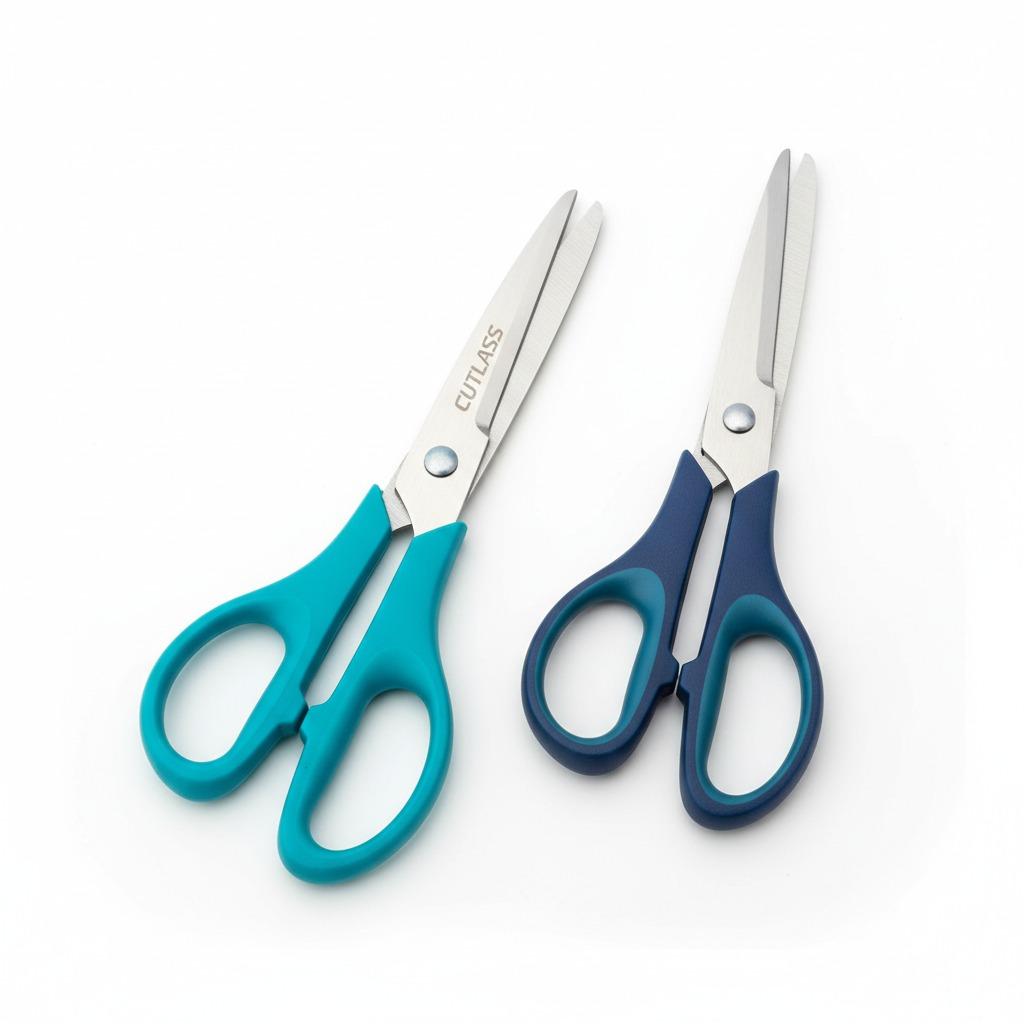
The Evolution of the Multi-Purpose Scissor in Modern Households
Household scissors are easy to overlook until a package will not open, herbs need trimming, or a craft project calls for a clean cut. The modern multi-purpose scissor is the result of a long design history: simple cutting edges became pivoted tools, then everyday household staples, and now practical implements for kitchens, offices, utility drawers, and hobby rooms. This guide looks at that evolution while focusing on what buyers and home users actually need to know when selecting and caring for household scissors.

From Ancient Shears to the Pivoted Scissor
The earliest scissors were not shaped like the familiar tools found in kitchen drawers today. Ancient spring shears used two blades connected by a flexible strip of metal. The user squeezed the blades together, and the spring action helped them open again. These tools were useful for basic cutting and grooming tasks, but they offered limited control.
A major change came with pivoted scissors, used by the Romans by the first century AD. Two blades joined at a central fulcrum allowed more pressure, better accuracy, and easier handling. That core design still defines most household scissors today. While materials and handle shapes have changed, the basic pivot remains one of the reasons scissors are so efficient for daily cutting.
How Scissors Became an Everyday Household Tool
For centuries, scissors were made by skilled metalworkers and could be costly. The shift toward wider household use accelerated during the 18th and 19th centuries. In 1761, Robert Hinchliffe of Sheffield, England, produced modern cast-steel pivoted scissors, helping make sharper and more durable scissors more accessible.
As production became more standardized, families began keeping different scissors for sewing, paper, kitchen work, and general household tasks. Over time, the emphasis moved from ornate designs to practical performance: sharper blades, more comfortable handles, and sizes suited to specific jobs.
What Makes a Scissor Multi-Purpose Today?
A modern multi-purpose household scissor is designed to handle more than one daily task. It may be used to open food packaging, cut paper, trim string, snip herbs, portion thin flatbread, or prepare craft materials. Some kitchen shears also include added functions such as a bottle opener or nutcracker, although features vary by model and should be checked before purchase.
When comparing options, pay attention to the tasks you repeat most often. A scissor used mainly for food preparation should be easy to clean and comfortable with wet or dry hands. A pair used for packages and utility jobs should feel sturdy and should not be confused with a dedicated food-prep tool. For hygiene and performance, many homes benefit from keeping separate pairs for kitchen, office, and general utility use.
How to Choose Household Scissors for Daily Use
Selection should start with fit and purpose rather than appearance. A pair that works well for cutting paper may not be ideal for poultry, thick cardboard, or herbs. Before buying, consider the following checklist:
- Blade type: Straight blades suit paper and general cutting; micro-serrated edges, when available, can help grip slippery materials.
- Handle comfort: Check whether the handle opening fits your hand and whether it causes pressure during repeated cuts.
- Cleaning method: If the scissors will touch food, ask whether the design comes apart or has areas where residue can collect.
- Task separation: Use dedicated scissors for raw food, crafts, and utility jobs to reduce cross-contamination and dulling.
- Storage safety: Choose a drawer insert, sheath, magnetic strip, or wall hook that keeps blades protected and out of children’s reach.
Comparison Checklist: Matching Scissors to Home Tasks
| Use Case | Helpful Design Priorities | Questions to Ask Before Buying |
|---|---|---|
| Kitchen prep | Comfortable grip, easy cleaning, food-safe use instructions | Can the blades be separated for cleaning? Is dishwasher use recommended by the supplier? |
| Packaging and mail | Durable cutting edge, controlled tip, comfortable handle | Will it cut plastic clamshells, tape, and light cardboard without twisting? |
| Crafts and school projects | Smooth action, accurate tip, size suited to the user | Is the blade length appropriate for detail work and safe storage? |
| General utility drawer | Sturdy pivot, balanced weight, easy-to-find color or sheath | Is it intended for light household use or heavier cutting tasks? |
Use and Care Tips for Longer Service
Even good household scissors perform poorly if they are misused or stored carelessly. Avoid cutting wire, hard plastic, or metal with general-purpose scissors unless the product is specifically designed for that task. Using the wrong pair can chip edges, loosen the pivot, or make the blades misalign.
For food use, wash scissors promptly after contact with meat, herbs, sauces, or oily packaging. Dry them thoroughly before storage to reduce the chance of staining or corrosion. If a pair has a removable blade design, separate the parts only according to the manufacturer’s instructions and reassemble them carefully. If the pivot feels loose or the blades start folding material instead of cutting it, the scissors may need adjustment, sharpening, or replacement.
Key Takeaways
- Household scissors evolved from spring shears to pivoted tools and then into versatile modern household implements.
- The best pair depends on the job: kitchen prep, packaging, crafts, and utility work place different demands on blades and handles.
- Comfort, cleanability, safe storage, and task separation matter more than extra features you may not use.
- For hygiene and blade life, keep separate scissors for food and non-food tasks whenever possible.
Practical FAQ
Are household scissors the same as kitchen shears?
Not always. Kitchen shears are a type of household scissor designed for food-related tasks, while household scissors may also include office, craft, sewing, or utility styles. Check the supplier’s intended-use guidance before using any scissors with food.
Can I put household scissors in the dishwasher?
Only if the product instructions say it is suitable. Some scissors may be hand-wash only, and drying is important after any washing method. If the care instructions are not clear, ask the seller or supplier before purchase.
Why do my scissors stop cutting cleanly?
Common causes include dull edges, sticky residue, a loose pivot, or using the scissors on materials that are too tough for the design. Clean the blades, check alignment, and avoid forcing the tool through unsuitable materials.
How many pairs of scissors should a home have?
Many households work best with at least three: one for kitchen use, one for paper and office tasks, and one for packaging or general utility. This keeps blades cleaner, sharper, and better matched to each task.
