




The Excellence of Made in China Scissors: Quality & Design
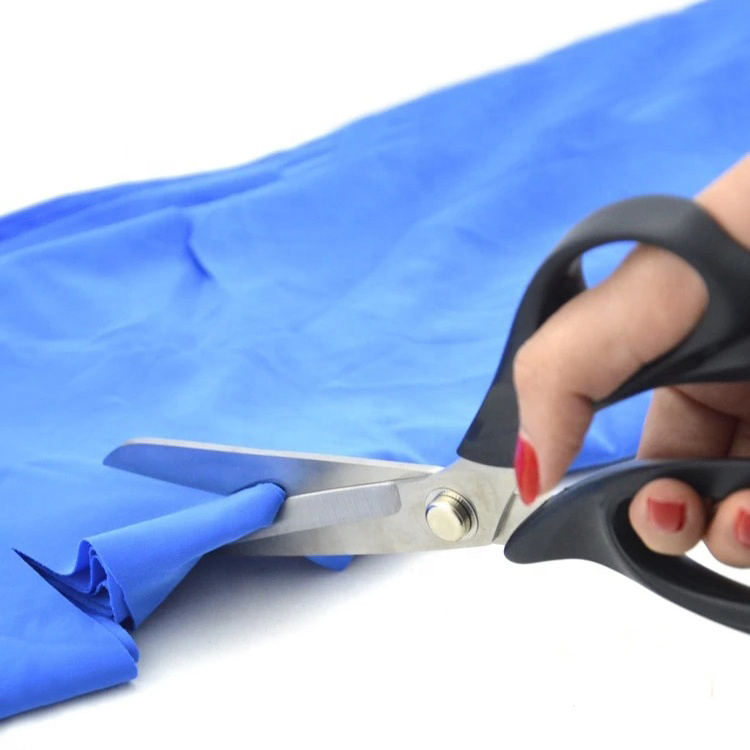
Made in China scissors are widely considered by sewing workshops, craft brands, distributors, and home users because they can offer a practical balance of cutting performance, design variety, and value. The original article highlighted three clear strengths: the rise of quality tailoring scissors from China, the importance of ergonomics and durability, and the idea that a reliable pair of shears is an investment in better cutting work. This rewritten guide expands those ideas into a practical sourcing and selection article for buyers who need to compare options carefully.
Not every pair of scissors is suitable for every job. Tailoring, quilting, embroidery trimming, packaging, school supplies, and household use all place different demands on blade length, handle shape, weight, and finishing. For B2B buyers, the key is not simply finding a low unit cost. It is confirming whether a supplier can provide consistent products that match the intended market and user expectations.
Why Made in China Scissors Remain Competitive
China has a broad manufacturing base for household goods, sewing tools, and craft accessories. This gives buyers access to many product styles, from basic household scissors to professional-looking tailoring shears. In the tailoring category, the original article notes the value of sharp stainless steel blades, comfortable handles, and durable construction. These are useful starting points when comparing products, but buyers should verify each feature with samples and supplier documentation rather than relying on descriptions alone.
For importers and wholesalers, the advantage is choice. A buyer can often compare handle colors, packaging formats, blade sizes, finishing styles, and branding options across different suppliers. However, the wide range of choices also means quality can vary. A careful evaluation process is needed before placing a repeat order.
Key Takeaways
- Choose scissors according to the cutting task, not only by appearance or price.
- For tailoring use, check blade sharpness, cutting smoothness, handle comfort, and edge alignment.
- Ask suppliers clear questions about materials, finishing, packaging, quality inspection, and OEM options.
- Always test pre-production or bulk samples before committing to a large wholesale order.
What to Check in Tailoring and Craft Scissors
Tailoring scissors need to cut fabric cleanly without dragging, snagging, or forcing the user to apply excessive pressure. The original source refers to stainless steel blades and the ability to cut through different fabrics. When evaluating samples, use your own test materials: lightweight fabric, medium cotton, denim, felt, or packaging material depending on your market. This gives a more realistic result than cutting only paper.
Handle comfort also matters. Long cutting sessions can cause hand fatigue if the grip is too small, too angular, or poorly balanced. An ergonomic handle should allow the user to maintain control while opening and closing the blades smoothly. If your customers include sewing studios or craft users, ask several people to test the same sample and collect feedback before choosing a model.
Comparison Checklist for Buyers
| Evaluation Point | What to Look For | Questions to Ask a Supplier |
|---|---|---|
| Blade sharpness | Clean cuts on intended materials without chewing or folding | How is blade sharpness checked before shipment? |
| Blade alignment | Tips meet correctly and blades close smoothly from pivot to tip | What tolerance or inspection method is used for alignment? |
| Material description | Clear explanation of blade and handle materials | Can you provide the exact material description used for this model? |
| Handle comfort | Grip fits the target user and reduces hand strain | Are alternate handle shapes, colors, or sizes available? |
| Packaging | Retail-ready, wholesale bulk, or custom packaging as needed | What packaging options are available and what information can be printed? |
| Quality consistency | Bulk goods match the approved sample | How do you control quality during production and before packing? |
B2B Sourcing Guidance for Wholesale and OEM Orders
If you are sourcing scissors for resale, promotional kits, craft brands, or sewing supply channels, treat the process as a product development project. Start with a clear brief. Define the intended user, target retail price range, packaging style, blade length preference, and any branding requirements. Avoid vague requests such as “best quality scissors” because suppliers may interpret quality differently.
Useful supplier questions include:
- Which models are suitable for tailoring, craft, school, or household use?
- What blade and handle materials are used for the specific model being quoted?
- Can the supplier provide samples from current production?
- What custom logo or packaging options are available?
- How does the supplier inspect blade sharpness, alignment, appearance, and packing?
- What commercial details apply, such as lead time, payment terms, carton packing, and minimum order requirements?
Do not assume that all models from one factory perform the same way. A basic household scissor and a professional tailoring scissor may look similar in online images, but they can differ significantly in weight, pivot quality, edge finishing, and user comfort. Sample testing is the safest way to confirm suitability.
Design Details That Affect User Experience
The original article emphasized ergonomics and durability, both of which are important in real use. A good design should feel controlled, not awkward. The pivot should open and close smoothly, the handle should not pinch, and the tips should be precise enough for the intended task. For tailoring, longer blades may help with straight fabric cuts, while smaller scissors may be better for trimming thread or detailed craft work.
Durability is not only about the blade material. It also depends on blade thickness, pivot construction, finishing, handle attachment, and how the product is packed and shipped. For wholesale buyers, poor packaging can create scratches, bent tips, or inconsistent presentation before the product even reaches a customer. Ask to review both the product sample and the packaging sample.
How End Users Can Select and Care for Scissors
For consumer-facing buyers and retailers, product education can reduce returns and improve customer satisfaction. Users should choose scissors for their intended material. Fabric scissors should generally be kept for fabric, because cutting cardboard, wire, plastic sheet, or rough packaging can dull the edge faster. After use, scissors should be wiped dry and stored closed in a safe place. If cutting performance declines, sharpening or replacement may be needed depending on the product type.
Basic care guidance for customers can include:
- Use the scissors only on suitable materials.
- Keep blades clean and dry after use.
- Store away from moisture and impact.
- Do not force the blades through materials they are not designed to cut.
- Check the pivot if cutting starts to feel loose or uneven.
Practical FAQ
Are made in China scissors suitable for professional tailoring?
They can be, but suitability depends on the specific model and supplier quality control. Test samples on the fabrics your users cut most often before approving a wholesale order.
What should I ask before ordering OEM scissors?
Ask about available models, material descriptions, logo methods, packaging options, sample timing, inspection procedures, lead time, and order requirements. Confirm all details in writing.
How can I judge blade quality from a sample?
Cut several materials relevant to your market. Look for smooth cutting, clean edges, proper tip closure, steady blade alignment, and comfortable hand control.
Should I choose the cheapest scissors for wholesale resale?
Not automatically. A lower price may be suitable for basic use, but tailoring and craft customers often value comfort, clean cutting, and consistency. Compare total value, not price alone.
Can scissors be customized with branding?
Many suppliers may offer branding or packaging options, but availability varies by model and order details. Ask the supplier what customization methods are possible for the exact product you are considering.
Final Thoughts
Made in China scissors can be a practical option for tailoring, crafting, household retail, and wholesale sourcing when buyers evaluate them carefully. The best approach is to define the use case, compare samples, ask precise supplier questions, and confirm that bulk production will match the approved sample. With a structured process, buyers can select scissors that deliver reliable cutting performance, comfortable handling, and appropriate value for their market.
