




The Safety and Design of Chinese Factory Scissors
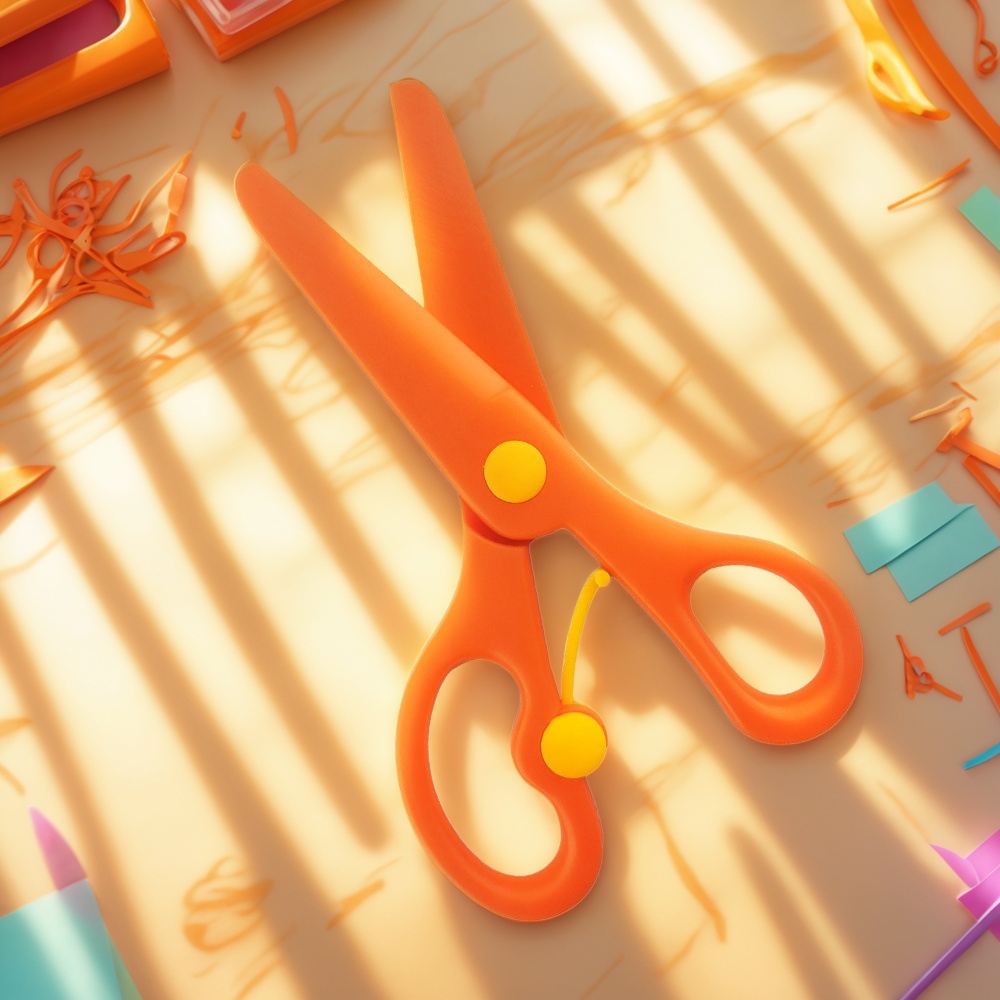
Chinese factory scissors for children are commonly used in classrooms, craft kits, stationery assortments, and home activity sets. The buying decision is not only about price. For child-facing scissors, purchasers also need to consider safe handling, cutting performance, packaging, age suitability, and supplier communication. The original product discussion highlights familiar kid-scissor features such as rounded tips, blunt blades, ergonomic handles, vibrant colors, lightweight materials, support for craft use, and an added blade guard. This rewritten guide explains how to evaluate those points in a more practical way, especially for wholesalers, importers, school supply distributors, and OEM buyers.

Key Takeaways
- Children’s scissors should balance safer handling with enough cutting ability for paper and simple craft materials.
- Rounded tips, blunt blades, comfortable handles, lightweight construction, and blade guards are useful features to review.
- B2B buyers should ask suppliers clear questions about materials, age grading, packaging, labeling, quality inspection, and sample approval.
- Do not rely on product photos alone; request samples and test how the scissors perform in realistic craft tasks.
What Makes Kid Scissors Different?
Kid scissors are designed for learners who are still developing hand strength, coordination, and safe tool habits. Compared with general-purpose office scissors, they usually place more emphasis on controlled cutting and reduced injury risk. Rounded tips can reduce the chance of accidental poking, while blunt blades are intended to limit sharp exposure during basic craft use. Ergonomic handles can help small hands hold the scissors more steadily, which may improve confidence and control.
For consumer-facing buyers such as parents and teachers, the main question is whether the scissors match the child’s activity level. For B2B buyers, the question is broader: will the product meet the expectations of the target market, retail channel, and end user? A classroom pack, a promotional craft kit, and a retail blister pack may require different packaging, colors, labeling, and documentation. Buyers should confirm these details with the supplier instead of assuming that all children’s scissors are the same.
Safety Features to Review Before Ordering
The original article notes several safety-oriented design elements: rounded tips, blunt blades, ergonomic handles, lightweight materials, and a blade guard. These are relevant starting points, but sourcing teams should evaluate how each feature works in practice. A rounded tip should be smooth and consistent, not rough at the edges. A blunt blade should still cut paper cleanly enough to avoid frustration, because children may use unsafe force if the scissors snag or tear excessively.
Handles are also important. A comfortable grip can support better control, especially during repeated classroom use. If a model is promoted for both right-handed and left-handed use, buyers should test it with users from both groups. Some symmetrical handles feel acceptable in either hand, while other designs may still cut better from one side. If the product includes a blade guard, check that it fits securely and is easy for adults to remove and replace.
Comparison Checklist for B2B Buyers
The table below can help importers, wholesalers, and education supply buyers compare options from a Chinese factory scissors supplier. It does not replace formal testing or compliance review, but it helps structure supplier discussions and sample evaluations.
| Review Point | Why It Matters | Questions to Ask the Supplier |
|---|---|---|
| Tip shape | Rounded tips can reduce poking risk during craft use. | Are all production units finished with the same rounded-tip design shown in the sample? |
| Blade style | Blunt blades should support safer handling while still cutting paper. | What materials are the scissors intended to cut, and what materials are not recommended? |
| Handle design | Ergonomic handles can improve grip and control for small hands. | What age range or hand size is the handle designed for? |
| Weight and balance | Lightweight scissors may be easier for children to control. | Can samples be checked for comfort during repeated cutting tasks? |
| Blade guard | A guard can add protection during storage and transport. | Is the guard included as standard, and how is it packed? |
| Packaging and labeling | Retail and school channels may require clear usage information. | Can warning text, barcode, language, and branding requirements be reviewed before production? |
Design Details That Support Young Users
Vibrant colors and lightweight materials can make children’s craft tools more approachable. Color is not a safety feature by itself, but it can help teachers organize group activities, separate classroom sets, or identify missing items quickly. Lightweight construction can also reduce hand fatigue, especially when children are practicing cutting lines, shapes, or paper strips.
Clean cutting performance matters because a child who struggles with poor scissors may pull, twist, or apply extra pressure. That can make craft time less controlled. Buyers should test common classroom tasks, such as cutting printer paper, construction paper, simple patterns, and thin craft sheets if those uses are intended. If a product is only suitable for paper, the packaging and sales description should avoid implying it can handle tougher materials.
How to Assess a Chinese Factory Scissors Supplier
When sourcing from a factory or supplier, avoid making decisions based only on unit cost. Ask for a production sample, packaging sample, and written confirmation of the product configuration. If you need private label or OEM packaging, confirm artwork requirements, color matching process, carton details, and approval steps. Do not assume that the first sample exactly represents mass production unless the supplier confirms the materials, mold, color, and accessories.
Useful sourcing questions include:
- What materials are used for the blades, handles, and blade guard?
- Is the product designed for a specific age range?
- Can the supplier provide samples from current production?
- What quality checks are performed before shipment?
- Are there packaging options for retail, classroom sets, or bulk wholesale?
- Can the supplier support left-hand and right-hand user evaluation?
- What labeling, warning, or instruction text can be customized?
If your market requires particular safety standards or documentation, ask the supplier directly and have documents reviewed by qualified compliance professionals. This article does not make any legal or certification claim for a specific product.
Sample Testing and Quality Inspection Tips
Before placing a larger order, test samples in realistic scenarios. Check whether the scissors open and close smoothly, whether the tips are consistently rounded, and whether there are rough plastic edges around the handle. Cut several sheets of paper one at a time and observe whether the blades align well. A child-safe design should not feel flimsy or unpredictable during ordinary use.
For wholesale orders, create a simple inspection checklist. Include appearance, color, handle comfort, blade alignment, guard fit, packaging condition, barcode placement if applicable, and carton labeling. If the order is for a school or craft brand, keep approved samples for comparison. This helps avoid confusion if future production batches differ from the original quotation or sample.
Use and Care Guidance for Parents and Teachers
Even scissors designed for children should be introduced with supervision. Adults can demonstrate how to hold the scissors, how to pass them handle-first, and how to store them after use. The blade guard, when included, should be used during storage rather than left loose in a drawer or craft box.
Basic care is simple: keep the scissors dry, remove paper dust or adhesive residue after craft sessions, and store them away from very young children who are not ready to use cutting tools. If the scissors become loose, damaged, or difficult to control, replace them rather than forcing continued use. For classrooms, assign a storage tray or labeled container so teachers can quickly count items before and after activities.
FAQ
Are Chinese factory scissors suitable for children?
They can be suitable when the design, age range, and safety features match the intended use. Buyers should review samples for rounded tips, blunt blades, comfortable handles, and reliable cutting performance before ordering.
What should wholesalers ask before buying kid scissors in bulk?
Ask about materials, target age range, packaging options, sample availability, quality inspection process, labeling support, and whether the final production will match the approved sample.
Can safety scissors cut all craft materials?
Not necessarily. Many kid scissors are intended mainly for paper and light craft tasks. Confirm recommended materials with the supplier and avoid overstating cutting capability in product listings.
Do children still need supervision when using safety scissors?
Yes. Rounded tips and blunt blades may reduce certain risks, but children should still be taught safe cutting habits and supervised according to their age and skill level.
Is a blade guard important?
A blade guard can be useful for storage, transport, and classroom organization. Buyers should check whether it is included, how securely it fits, and how it is packed with the product.
