




The Ultimate Guide to Children Safety Scissors
Children safety scissors are simple tools, but choosing the right pair matters. For young learners, scissors support paper crafts, classroom projects, hand-eye coordination, and fine motor development. For retailers, school suppliers, and OEM buyers, they also raise practical questions about materials, age suitability, packaging, labeling, and quality consistency.
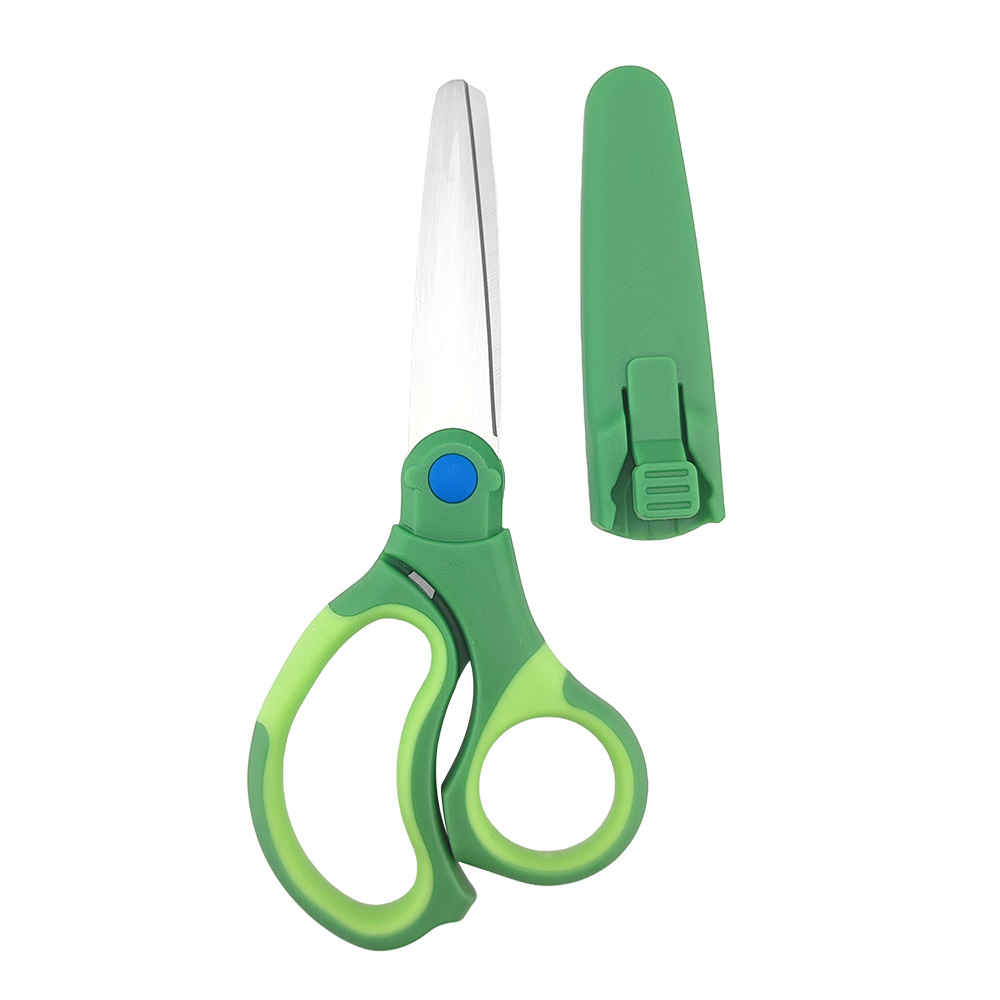
This guide reviews what to look for in children safety scissors, using the B5 Safety Shears as an example of a child-focused design. The original product information describes ergonomic green handles, rounded blunt-tip stainless steel blades, and a protective safety cover with a secure clip mechanism. Those details are useful, but a good sourcing decision should go beyond appearance and ask how the scissors will be used, packed, tested, and supported by the supplier.
Key Takeaways
- Children safety scissors should combine controlled cutting performance with blunt or rounded tips and comfortable handles.
- A safety cover is useful for storage, school bags, retail packaging, and classroom organization.
- OEM and wholesale buyers should verify materials, workmanship, packaging, labeling, and any required market compliance directly with the supplier.
- The best choice depends on the child age group, intended use, cutting materials, and supervision level.
What Makes Children Safety Scissors Different?
Children safety scissors are designed for learners who are still developing grip strength, coordination, and safe tool habits. Unlike general household scissors, they usually prioritize control over cutting power. Common design goals include rounded tips, smaller handles, a lighter body, and shapes that are easier for children to hold.
The B5 Safety Shears described in the original article fit this category through their blunt-tipped blade profile and ergonomic handle design. The green handle color also makes the scissors easy to identify in a classroom or craft area. For buyers, these points are helpful, but they should be confirmed with a physical sample before placing a bulk order.
Safety Features to Check Before Buying
Safety is not one single feature. It is the result of blade geometry, handle comfort, finishing, cover design, packaging, and clear user guidance. A blunt tip helps reduce the chance of accidental pokes, while smooth handle edges reduce discomfort during repeated cutting. A protective cover can help keep blades enclosed when the scissors are not in use.
When evaluating children safety scissors, inspect the following:
- Blade tip: Look for rounded or blunt tips appropriate for younger users.
- Blade edges: Check whether the cutting edge is sharp enough for paper but not overly aggressive for the intended age group.
- Handle opening: Confirm that the grip size fits small hands without pinching.
- Surface finish: Avoid rough plastic edges, burrs, or exposed sharp points.
- Safety cover: Test whether the cover stays in place during storage and transport.
- Packaging information: Ask what warnings, age guidance, and usage instructions can be included for your market.
Everyday Performance: School, Craft, and Home Use
Safety scissors still need to cut well enough to avoid frustration. A child who has to force the blades through paper may use poor posture or unsafe hand positions. The original article states that the B5 Safety Shears are suitable for paper, construction materials, and soft fabrics. For sourcing purposes, buyers should request samples and test the exact materials their customers are likely to use.
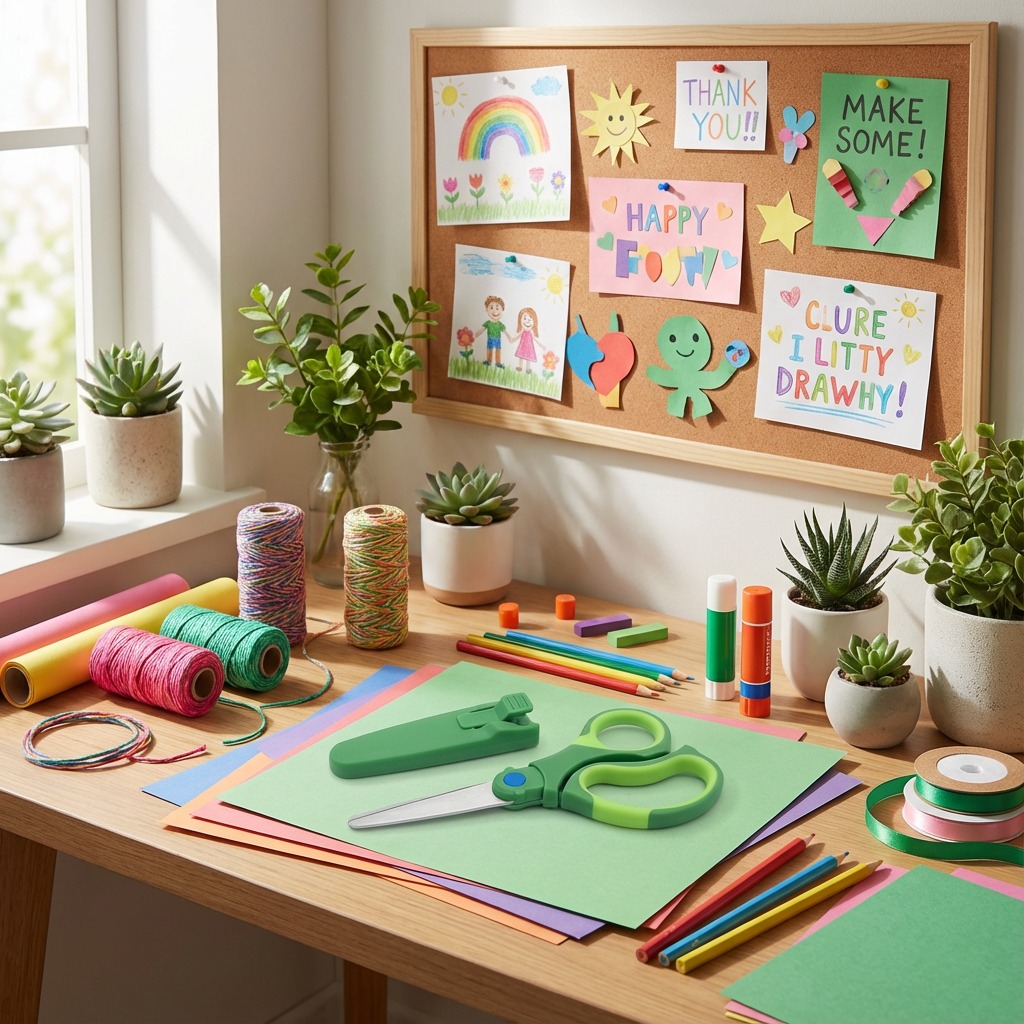
In a classroom, scissors may be shared by many students and handled roughly. In a home craft kit, they may be stored in a drawer or pencil case. In a retail set, they may be paired with paper, glue, crayons, or activity books. Each use case changes the priorities. A school supplier may focus on durability and easy identification. A craft brand may care more about packaging presentation and kit compatibility. A retailer may need clear shelf labeling and barcode requirements.
Comparison Checklist for Product Selection
| Selection Point | Why It Matters | Questions to Ask a Supplier |
|---|---|---|
| Blade shape | Blunt or rounded tips help suit younger users. | Can you provide blade drawings or samples for review? |
| Blade material | The original article describes stainless steel blades. | What material is used, and can it be documented? |
| Handle design | Small hands need a comfortable, stable grip. | Can handle size, color, or shape be customized? |
| Safety cover | A cover supports safer storage and transport. | How secure is the clip, and is replacement possible? |
| Cutting use | Paper, card, and soft fabrics may require different blade performance. | What materials has the sample been checked against? |
| OEM packaging | Retail and school channels often need specific labels. | What packaging formats, artwork support, and labeling options are available? |
| Quality control | Consistent finishing is important for children’s tools. | What inspections are performed before shipment? |
OEM and Wholesale Sourcing Guidance
If you are sourcing children safety scissors for a brand, school distributor, or wholesale program, do not rely only on catalog photos. Start with a sample review and a written specification. The specification should cover dimensions, blade material, handle color, cover design, packaging style, labeling, carton requirements, and any customization requests.
Because children’s products can be subject to different rules depending on the destination market, buyers should ask suppliers what documentation is available and what testing can be arranged through appropriate third parties. Do not assume that a product meets a particular regulation unless the supplier provides current, relevant documentation for the exact model and market.
Useful sourcing questions include:
- Is this the standard B5 Safety Shears model, or can it be modified for OEM orders?
- What colors, logos, and packaging options can be quoted?
- What is the sample lead time and how should sample performance be evaluated?
- What quality checks are used for blade finishing, handle edges, and cover fit?
- Can the supplier provide product photos, artwork templates, or packaging dielines?
- What commercial details, such as minimum order quantity and delivery schedule, apply to the current inquiry?
Use and Care Tips for Parents and Educators
Even safety scissors should be used with supervision, especially by younger children. Teach children to cut while seated, keep fingers away from the blade path, and pass scissors handle-first. After use, the blades should be covered and the scissors stored in a consistent location.
For longer product life, keep scissors dry, wipe off glue or paper dust after craft sessions, and avoid using children’s scissors on hard plastic, wire, or other materials outside their intended use. If the blades become loose, damaged, or difficult to control, replace the scissors rather than forcing continued use.
Practical FAQ
Are children safety scissors completely risk-free?
No. They are designed to reduce certain risks, but they are still cutting tools. Adult supervision and clear instructions remain important.
What age are blunt-tip scissors suitable for?
Age suitability depends on the design, the child’s ability, and local product guidance. Buyers should request age recommendations and labeling information from the supplier.
Why is a safety cover useful?
A cover helps shield the blades during storage, transport, and classroom organization. It is especially practical for pencil cases, craft kits, and retail packs.
Can children safety scissors cut fabric?
The original article notes use on soft fabrics, but performance depends on the fabric type and blade condition. Test samples with the actual materials used in your program.
What should OEM buyers confirm before ordering?
Confirm the final specification, sample quality, packaging artwork, labeling requirements, inspection process, commercial terms, and any required documentation for the target market.
Final Verdict
Children safety scissors should be selected with both usability and responsible sourcing in mind. The B5 Safety Shears described in the original article offer several child-friendly points: ergonomic green handles, rounded blunt-tip stainless steel blades, and a safety cover with a secure clip. These are practical features for school, craft, and home settings.
For consumers, the main decision is whether the scissors fit the child’s hand, skill level, and craft materials. For B2B buyers, the next step is to request samples, define the exact specification, and ask clear questions about packaging, quality control, and market documentation. A careful selection process helps ensure the product is appropriate, consistent, and ready for its intended sales channel.
