




Household Scissors: How to Choose, Use, and Maintain a Reliable Everyday Tool
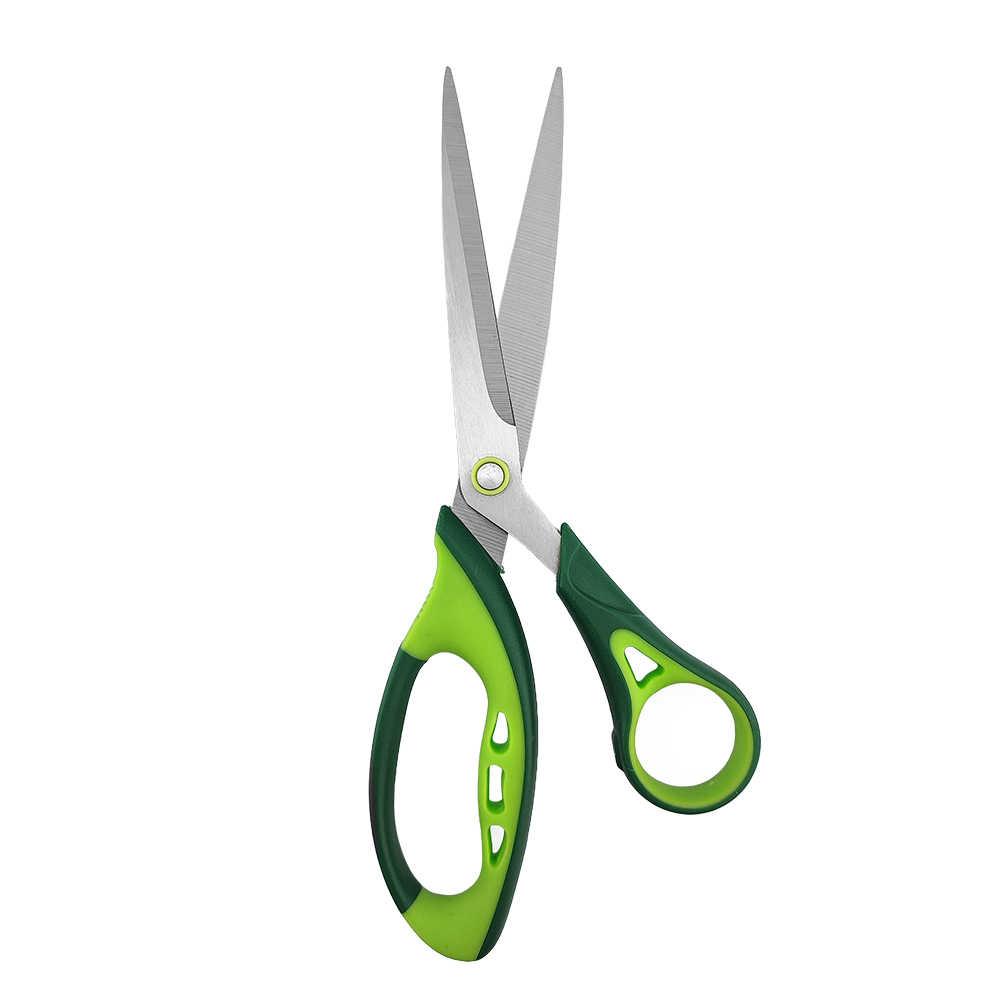
Household scissors are one of the most frequently used tools in a home, office drawer, craft box, or utility area. A good pair should make clean cuts, feel controlled in the hand, and stay dependable through everyday jobs such as opening packaging, trimming paper, cutting fabric, preparing craft materials, and handling light kitchen prep. The original product discussed here is a multi-purpose household scissor design with an ergonomic soft grip, stainless steel blades, and a green-and-dark accent color that makes it easier to spot in a busy toolkit.
This guide focuses on practical selection and care rather than promotional claims. If you are choosing scissors for personal use, a shared workspace, or a purchasing list, the goal is simple: match the scissor design to the tasks you actually perform and maintain it well enough to keep it safe and efficient.
Key Takeaways
- Household scissors are best selected by task: paper, fabric, packaging, crafts, and occasional food-related prep all create different cutting demands.
- A soft grip and ergonomic handle can reduce hand strain during repeated cuts, but handle size should match the user’s hand.
- Stainless steel blades are useful for everyday cutting, but they still need cleaning, drying, and proper storage.
- A smooth pivot is important for control; occasional cleaning and light oiling can help maintain movement.
- Do not use one general-purpose pair for every task if hygiene, blade sharpness, or material contamination is a concern.
What Makes Household Scissors Different from Specialty Scissors?
Household scissors are designed to handle a broad range of common jobs. They are not the same as dressmaking shears, poultry shears, pruning shears, or precision craft snips. A multi-purpose household pair is usually expected to cut paper, labels, thin cardboard, string, plastic packaging, and light fabric without requiring a separate tool for each task.
This versatility is useful, but it also means expectations should be realistic. If you regularly cut thick fabric, heavy cardboard, wire, or frozen food packaging, a dedicated tool may be safer and more effective. Using general scissors for tasks beyond their intended range can dull the blades, loosen the pivot, or create uneven cutting.
Handle Comfort: Why Soft Grip and Fit Matter
The original article highlights an ergonomic handle with a soft grip. This is a useful feature for everyday scissors because discomfort often appears during repeated cutting rather than the first few snips. A soft grip can help reduce pressure points on the fingers and thumb, especially during craft projects, office work, or repeated packaging tasks.
However, comfort is personal. Users with larger hands may find some compact handles restrictive, while smaller hands may prefer a lighter, narrower design. Before buying, consider who will use the scissors most often. For a shared household or workplace, it may be sensible to keep more than one size or style available.
Blade Material, Sharpness, and Cutting Performance
The product description notes stainless steel blades. Stainless steel is commonly chosen for household scissors because it is practical for everyday environments and easier to care for than many untreated materials. For the user, the key questions are not only what the blades are made from, but how well they meet daily cutting needs.
Good household scissors should close smoothly, cut from the base of the blade to the tip, and avoid chewing or folding thin materials. For paper and photos, clean edges matter. For fabric, the blades should not snag. For plastic packaging, the scissors should feel controlled and not twist in the hand. If a pair struggles with basic paper cutting, it is unlikely to perform well on more demanding materials.
Comparison Checklist for Choosing Household Scissors
Use the table below to compare options before buying. It focuses on practical features a consumer can check without relying on unsupported claims.
| Selection Point | What to Look For | Why It Matters |
|---|---|---|
| Handle comfort | Soft grip, smooth edges, finger openings that fit your hand | Improves control and reduces fatigue during repeated use |
| Blade type | Sharp stainless steel blades with an even closing action | Supports clean cuts through common materials like paper, fabric, and packaging |
| Pivot movement | Smooth opening and closing without wobble or stiffness | Affects precision, safety, and long-term usability |
| Task suitability | Match the scissor size and strength to everyday tasks | Prevents overuse on materials that may damage the blades |
| Visibility and storage | Bright or contrasting handle colors, dedicated storage location | Makes the tool easier to find and helps prevent misuse |
| Cleaning needs | Easy-to-wipe surfaces and no hard-to-clean residue traps | Important when scissors are used near food packaging, tape, glue, or craft materials |
Everyday Uses: Where Multi-Purpose Scissors Work Best
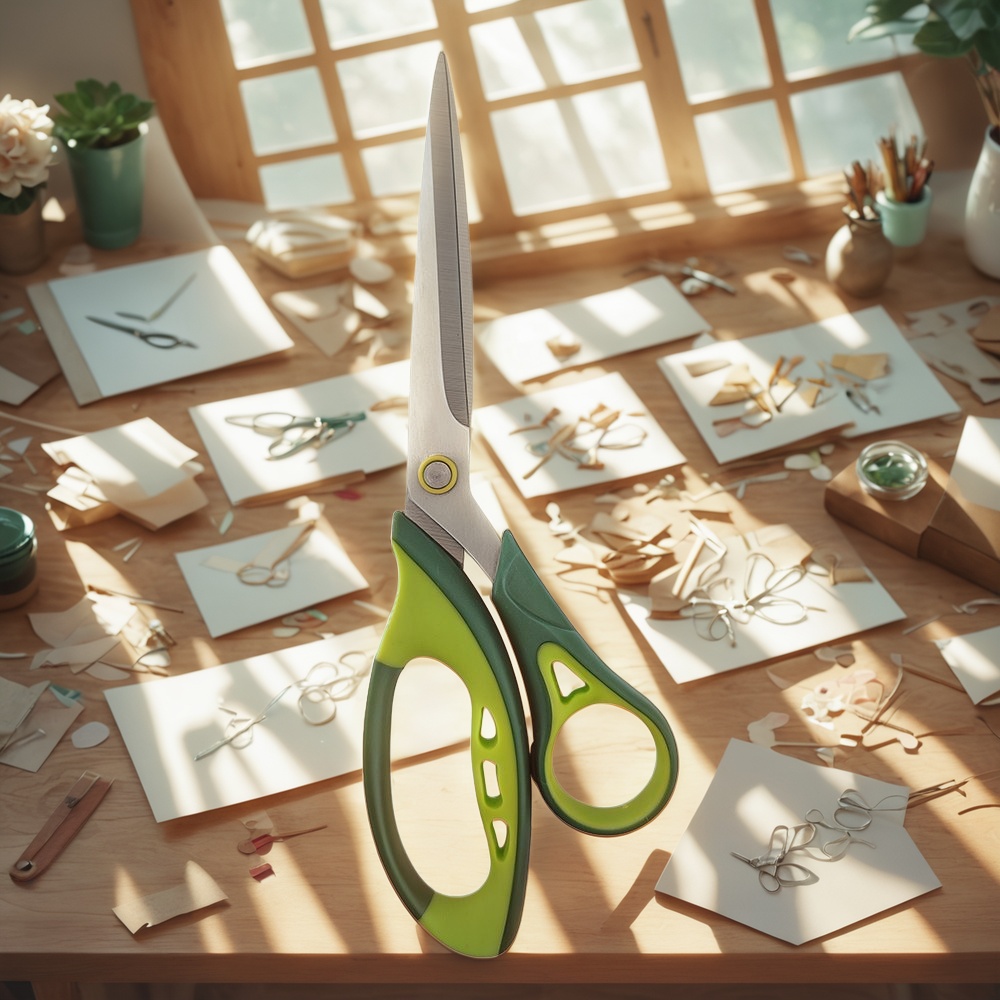
A practical household pair should earn its place by handling routine tasks well. Common uses include trimming paper, cutting coupons or labels, opening shipping bags, cutting ribbon, preparing craft supplies, trimming loose threads, and cutting lightweight fabric. The original article also mentions trimming photos and cutting through packaging, both of which require clean edges and steady control.
For kitchen prep, use caution. Scissors used on paper, tape, plastic, and craft materials should not be used directly on food without proper cleaning. If you often cut herbs, food packaging, or cooked items, consider keeping a dedicated kitchen pair separate from general household scissors. This helps avoid cross-contamination and protects blade performance.
Care and Maintenance for Longer Service
Even well-made household scissors need basic maintenance. Adhesive from tape, glue from craft projects, moisture, and dust can make the blades drag or cause the pivot to feel stiff. After cutting sticky packaging or craft materials, wipe the blades carefully with a soft cloth. If needed, use a mild cleaning approach suitable for the material, then dry the scissors fully before storage.
The original article notes that oiling the pivot can help keep movement smooth. Use only a small amount of light oil at the pivot, then open and close the scissors several times and wipe away excess. Too much oil can attract dust or transfer to paper and fabric. Store scissors closed, dry, and away from children. A drawer organizer, tool caddy, or craft box slot helps protect the blade edges and makes the scissors easier to locate.
Common Mistakes to Avoid
- Cutting materials that are too hard: Wire, thick plastic, and heavy cardboard can damage general household scissors.
- Using one pair for every job: Food, craft glue, paper, and packaging may require separate tools for hygiene and blade care.
- Ignoring handle fit: A soft grip helps, but the opening size and shape still need to suit the user.
- Putting scissors away wet: Moisture can affect performance and cleanliness, even with stainless steel blades.
- Forcing a dull pair: Dull scissors increase effort and can cause slipping or uneven cuts.
FAQ: Household Scissors
Can household scissors cut fabric?
They can cut light fabric, but frequent fabric cutting is better handled with dedicated fabric scissors. Paper and packaging can dull blades used for sewing or textile work.
Are soft grip scissors better?
Soft grip scissors can be more comfortable for repeated cutting, especially for users who experience hand fatigue. Fit still matters, so check handle size and shape.
How do I clean sticky residue from the blades?
Wipe the blades carefully after use. For stubborn adhesive, use a suitable cleaner sparingly, then remove residue completely and dry the blades before storing.
Should I oil household scissors?
If the pivot feels stiff, a small amount of light oil at the pivot can help. Open and close the scissors several times, then wipe away excess oil.
When should I replace household scissors?
Replace them when they no longer cut cleanly, the pivot becomes loose or unstable, the blades are damaged, or the handle is uncomfortable or cracked.
Final Buying Advice
For most homes, the best household scissors are not the most complicated option; they are the pair that fits the hand, cuts cleanly, and is easy to maintain. The soft grip, stainless steel blades, and visible green-and-dark handle accents described in the original product make sense for everyday convenience. Before choosing any pair, think about your most common tasks, whether multiple users will share the tool, and whether you need separate scissors for kitchen, craft, and utility work. A thoughtful choice, paired with simple cleaning and storage habits, will make household cutting tasks safer and more efficient.
