




The Ultimate Guide to Pinking Shears: Everything You Need to Know
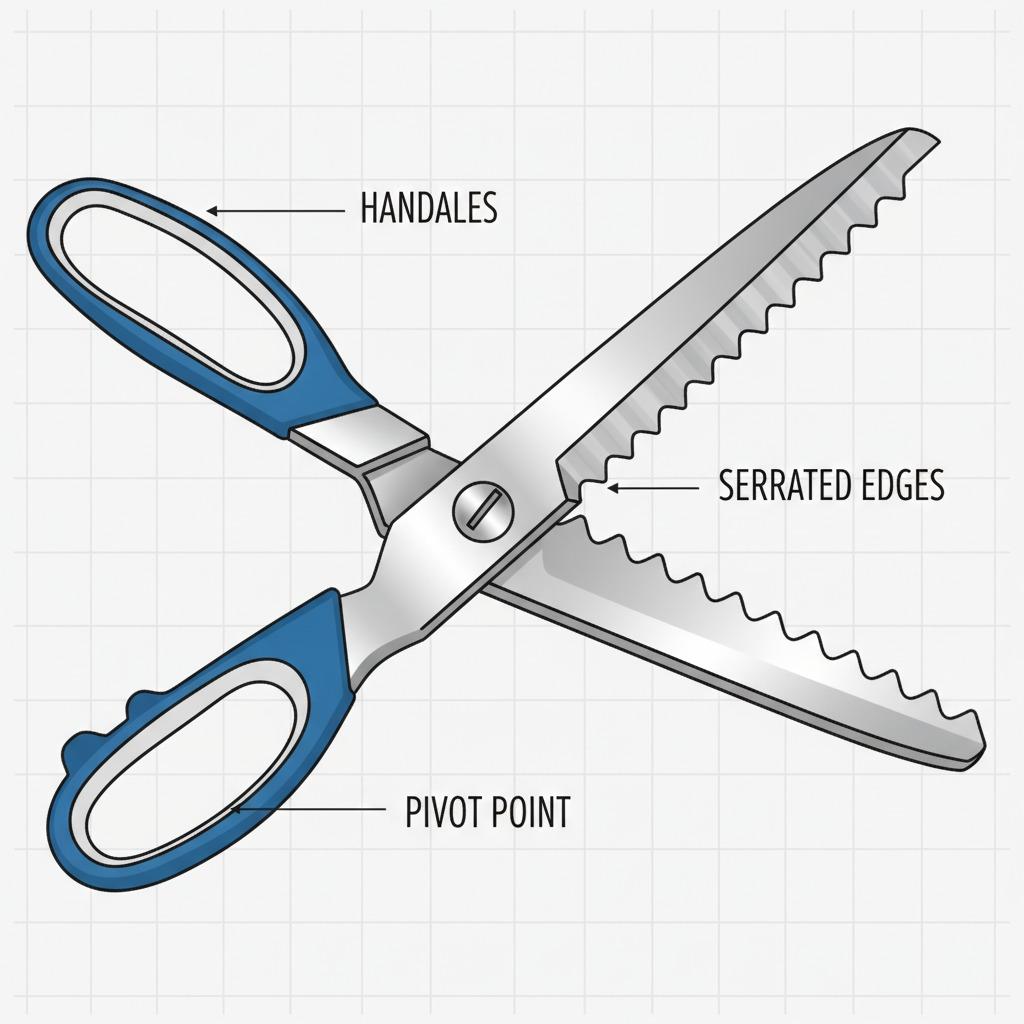
Pinking shears, sometimes called zigzag scissors, are sewing scissors with toothed blades that cut a V-shaped edge into fabric. Their main purpose is simple: reduce fraying on woven fabrics by interrupting the straight threads along a raw edge. They became widely known in the 1930s, before sergers and overlock machines were common in home sewing rooms.
Today, pinking shears are still useful for garment sewing, quilting, sample making, craft work, and fabric preparation. They are not a replacement for every seam finish, but they are fast, portable, and easy to use when the fabric and project are suitable.

Key Takeaways
- Pinking shears work best on woven fabrics such as cotton, linen, and wool.
- They reduce fraying but do not create a sealed or overlocked seam.
- Cutting one layer at a time usually gives a cleaner zigzag pattern.
- For wholesale or OEM sourcing, buyers should confirm materials, samples, tolerances, packaging, and quality checks with the supplier.
What Are Pinking Shears?
Pinking shears are built with interlocking serrated blades. As the blades close, they form a repeating zigzag cut. This edge has two common benefits. First, it slows the unraveling of woven threads. Second, it can create a decorative edge for craft projects, linings, swatches, and fabric samples.
They are different from regular fabric scissors. Straight scissors make a clean continuous line, which is excellent for pattern cutting but may leave some fabrics prone to fraying. Pinking shears are designed for edge treatment, trimming seam allowances, and finishing raw edges where a zigzag look is acceptable.
When to Use Pinking Shears
Pinking shears are most useful when you need a quick edge finish without setting up a sewing machine. They are often used on seam allowances inside garments, quilt pieces that may fray during handling, fabric test swatches, costume work, and simple craft items.
They are less effective on very loose weaves, slippery silks, stretchy knits, or fabrics that shed heavily. On these materials, the teeth may chew, shift, or distort the edge. For finished products that require high durability, compare pinking with other seam finishes such as serging, French seams, binding, or a machine zigzag stitch.
How to Choose the Right Pair
The best pinking shears depend on the user, fabric type, and cutting volume. A home sewer may prioritize comfort and easy handling, while a tailoring workshop may need consistent performance over repeated use. Retailers and wholesalers should also consider packaging, labeling, replacement policy, and batch consistency.
| Selection Factor | What to Check | Why It Matters |
|---|---|---|
| Blade action | Open and close the shears several times; check for smooth movement | Stiff action causes hand fatigue and uneven cutting |
| Tooth alignment | Inspect whether the teeth meet cleanly from pivot to tip | Poor alignment can leave uncut threads or crushed fabric |
| Handle fit | Test grip size, finger comfort, and left- or right-hand suitability | Comfort matters during long cutting sessions |
| Fabric suitability | Ask for sample cuts on common fabrics you plan to use | Performance can vary between cotton, wool, synthetics, and blends |
| Sourcing details | Ask about material, finish, QC process, packaging, and sample approval | Important for wholesale, OEM, and private-label buying |
Using Pinking Shears Correctly
Good technique makes a large difference. Place the fabric on a flat surface and keep it relaxed, not stretched. Start with the full length of the blade, then close the shears steadily rather than forcing them. When making a long cut, line up the next cut with the final tooth mark from the previous cut so the zigzag pattern continues evenly.
- Press the fabric flat before cutting.
- Cut one layer at a time when accuracy matters.
- Keep the lower blade supported on the table when possible.
- Avoid twisting the shears around tight curves.
- Test on a scrap before cutting the final project piece.
For curved seam allowances, pinking shears can replace multiple small clipping cuts in some situations. However, do not cut too close to the stitch line. Leave enough seam allowance to maintain strength.
Care and Maintenance
Pinking shears should be treated as fabric tools, not general household scissors. Cutting paper, plastic packaging, wire, or adhesive materials can dull or contaminate the blades. After use, wipe away lint and thread dust with a dry cloth. If the pivot feels tight, a small amount of suitable oil at the joint may help; wipe off any excess before cutting fabric again.
Store shears dry and closed, ideally in a sleeve or separate compartment. If they start folding fabric instead of cutting it, or if the zigzag edge becomes uneven, professional sharpening or adjustment may be needed. Pinking shears are harder to sharpen correctly than straight scissors because of their toothed blade geometry.
Guidance for Wholesale, OEM, and Retail Buyers
If you are sourcing pinking shears for a sewing supply shop, craft brand, training center, or OEM program, avoid choosing only by appearance. Request physical samples and test them with the fabrics your customers are likely to cut. Ask the supplier clear questions rather than assuming specifications.
- What blade material and handle material are used?
- Can the supplier provide pre-production samples for approval?
- How is tooth alignment checked during production?
- What packaging options are available for retail display or e-commerce shipping?
- Are replacement, defect, and inspection terms written into the purchase agreement?
- Can the supplier support branding requirements without changing tool performance?
For bulk orders, consistency matters more than one impressive sample. Check several pieces from the same batch for opening force, cutting quality, surface finish, and packaging condition. If compliance documents or test reports are required for your market, request current documents directly from the supplier and verify whether they apply to the exact product being ordered.
Common Mistakes to Avoid
One common mistake is expecting pinking shears to stop all fraying. They reduce fraying on many woven fabrics, but they do not lock threads in place. Another mistake is cutting too many layers at once. Thick stacks can push the teeth out of alignment and create a ragged edge. Users also damage shears by cutting non-fabric materials or storing them loosely with other metal tools.
Finally, remember that decorative zigzag edges remain visible on some projects. If the edge will show on the outside of a garment or craft item, test the appearance first and confirm the zigzag size suits the design.
FAQ
Are pinking shears only for sewing?
They are mainly used for fabric, but they can also help with craft textiles, felt, and sample swatches. Avoid using quality fabric shears on paper or hard materials.
Can pinking shears replace a serger?
No. A serger trims and stitches the edge at the same time. Pinking shears only cut a zigzag edge, so they are best for light finishing, preparation, or low-stress seams.
Why do my pinking shears chew fabric?
The blades may be dull, misaligned, dirty, or unsuitable for that fabric. Try one layer of stable woven fabric first. If the problem continues, the tool may need service.
What should wholesale buyers test before ordering?
Test sample cuts, handle comfort, pivot smoothness, tooth alignment, packaging strength, labeling needs, and whether the supplier can answer material and quality-control questions clearly.
Conclusion
Pinking shears remain practical because they solve a specific sewing problem quickly: managing raw woven edges. Choose them based on fabric, comfort, cutting quality, and maintenance needs. For business sourcing, verify samples and supplier details before committing to volume orders. A well-chosen pair can make fabric preparation cleaner, faster, and more consistent.
