




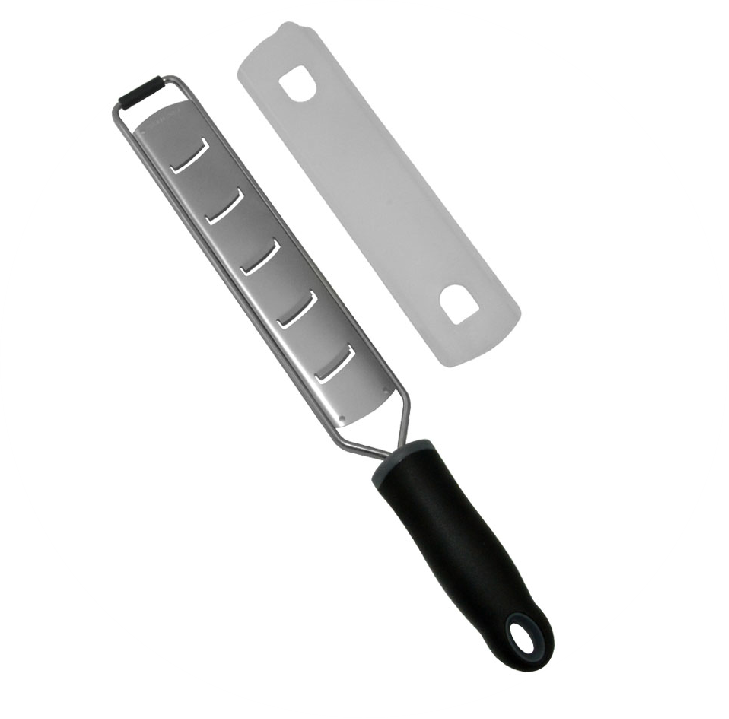
How to Choose a Kitchenware Supplier for Graters and Kitchen Gadgets
Finding a dependable kitchenware supplier is not only about locating a catalog with attractive products. For retailers, importers, brand owners, hospitality buyers and promotional product companies, the real task is to identify a supplier that can provide consistent product information, practical packaging choices, stable communication and clear answers before an order is placed. This is especially important for everyday tools such as graters, slicers and multi-function kitchen gadgets, where small differences in blade design, handle shape, cleaning access and packaging can affect user satisfaction.
The original topic highlights stainless steel graters and multi-blade kitchen tools. Those are useful product categories because they serve both home kitchens and food-service environments. However, buyers should evaluate them with a sourcing mindset: What materials are used? Which blade styles are available? Can the supplier support private label packaging? What quality checks are performed? Are spare parts or replacement components available? The following guide explains how to compare kitchenware suppliers without relying on vague claims.
Key Takeaways
- Choose a kitchenware supplier based on product clarity, communication, sample quality and order support, not only price.
- For stainless steel graters, ask about steel grade, blade sharpness, corrosion resistance expectations, handle material and cleaning instructions.
- Multi-blade graters can save space, but buyers should check blade locking, storage safety and replacement options.
- OEM or wholesale buyers should request samples, packaging details, inspection criteria and compliance documents relevant to the destination market.
What a Good Kitchenware Supplier Should Provide
A professional kitchenware supplier should make product comparison easier. At minimum, buyers should expect a clear product list, dimensions, material descriptions, available colors or finishes, packaging formats and photos of the product from multiple angles. If the product is a grater or slicer, the supplier should be able to explain blade options and typical uses in plain language.
For B2B purchasing, communication is part of quality. A supplier that gives fast but unclear answers may create problems later. Ask direct questions: What is the product made from? Are there different versions? What is included in one set? Can the packaging be customized? What information is printed on the carton? How are goods inspected before shipment? If the supplier cannot answer basic questions consistently, the risk of misunderstanding increases.
Evaluating Stainless Steel Graters
A stainless steel grater is a common kitchen tool used for cheese, citrus zest, vegetables, chocolate and other ingredients. The source article specifically mentions stainless steel graters and the need for precise cutting. When sourcing this category, do not stop at the phrase stainless steel. Ask the supplier which stainless steel grade is used, whether the blade and frame use the same material, and what care instructions are recommended to reduce staining or corrosion.
Blade design matters. Fine teeth are often used for citrus zest, hard cheese or ginger. Coarser teeth are better for vegetables or softer cheese. Slicer surfaces can help create thin pieces for salads or garnishes. Some multi-function sets may include fine, coarse, slicing, ribbon, star or extra-coarse blades. These blade names should be confirmed with photos, samples and actual cutting tests, because naming can vary between suppliers.
Also check user comfort and safety. A handle may be described as ergonomic, but buyers should verify grip size, texture, balance and whether it remains stable during use. For boxed graters or flat graters, check whether the tool has non-slip feet or a stable resting edge. For interchangeable blades, confirm how the blade locks into place and how users remove it without touching sharp edges.
Multi-Blade Grater Sets: Benefits and Risks
Multi-blade grater sets appeal to buyers because one product can cover several kitchen tasks. The original article mentions interchangeable blade choices such as fine, coarse, slicing, ribbon, star and extra-coarse options. That variety can be useful for retail shelves and online listings because it allows a product page to explain several use cases.
However, more parts also mean more points to inspect. Buyers should check whether each blade fits securely, whether the storage case protects the cutting surfaces, and whether the user instructions are simple. A set that looks complete in photos may be frustrating if the blades are difficult to change or hard to clean. Ask whether the supplier can provide an instruction sheet, safety warnings and packaging artwork files if private label service is required.
| Item to Check | Why It Matters | Questions to Ask the Supplier |
|---|---|---|
| Material description | Helps buyers assess durability, cleaning and market positioning. | What steel grade and handle materials are used? |
| Blade types | Determines whether the tool fits cheese, zesting, slicing or vegetable prep. | Which blade styles are included, and can you provide sample photos? |
| Blade locking | Affects safety and user confidence. | How does each interchangeable blade lock and release? |
| Packaging | Important for retail display, e-commerce shipping and private label orders. | What standard packaging is available, and can it be customized? |
| Quality inspection | Reduces the chance of defects in bulk orders. | What checks are performed before shipment? |
Wholesale and OEM Sourcing Questions
For wholesale kitchen tools, a buyer should build a short sourcing checklist before requesting prices. Price is meaningful only when the product version, packaging, order quantity and quality expectations are clear. If you are comparing several kitchen gadget suppliers, send the same question list to each one so the answers are easier to compare.
- Request the exact product description, including material, size, weight and included accessories.
- Ask for sample availability and whether the sample matches the mass-production version.
- Confirm packaging options, including retail box, color box, card, bulk pack or customized packaging.
- Ask about branding options such as logo placement, label design or instruction sheet customization.
- Clarify lead time, minimum order quantity and whether these vary by packaging or customization.
- Request inspection standards and photos of packed goods before shipment.
- Ask which documents are available for your target market instead of assuming compliance.
Do not invent or assume factory capacity, certification status, test results or customer references. A responsible buyer should ask for current documents and verify whether they apply to the exact product being purchased.
How to Compare Supplier Offers
When quotations arrive, compare them line by line. A lower unit price may exclude packaging, accessories, labeling or inspection services. A higher price may include stronger packaging or more complete product documentation. Create a spreadsheet with columns for material, dimensions, blade count, packaging, sample cost, lead time, order quantity, customization and payment terms.
For graters and slicers, it is also smart to test samples with real ingredients. Try hard cheese, citrus peel, carrots, cucumbers or chocolate depending on the intended use. Note how easily the tool cuts, whether food clogs the blade, whether the handle feels stable and how difficult it is to clean. If the product will be sold online, photograph the sample yourself to check whether the actual product matches the supplier images.
Practical Product Selection Tips
Retail buyers should match the tool to the end user. A simple stainless steel grater may be easier to explain and maintain for general home use. A multi-blade set may suit customers who want versatility but requires clearer instructions and safer storage. Food-service buyers may focus more on cleaning, durability and replacement frequency. Promotional buyers may care about branding area, packaging and perceived value.
Good product selection is about reducing returns and complaints. Avoid overpromising. If a grater is designed mainly for cheese and zest, do not market it as suitable for every hard vegetable unless testing supports that claim. If blades are sharp, make sure packaging and instructions communicate safe handling. If the product is dishwasher safe, confirm that statement with the supplier before using it in marketing copy.
FAQ
What should I ask before choosing a kitchenware supplier?
Ask for product materials, dimensions, packaging options, sample availability, customization choices, lead time, minimum order quantity and quality inspection procedures. For regulated markets, ask which documents are available for the exact product.
Is a stainless steel grater always rust-proof?
No. Stainless steel can resist corrosion, but performance depends on steel grade, finishing, cleaning habits and storage conditions. Ask the supplier for the steel grade and recommended care instructions.
Are multi-blade grater sets better than single graters?
They can be more versatile, especially when fine, coarse, slicing and ribbon blades are included. Single graters may be simpler, easier to clean and easier to package. The better choice depends on your target customer.
How should B2B buyers verify quality before a bulk order?
Order samples, test them with real ingredients, inspect packaging, confirm specifications in writing and request pre-shipment photos or inspection reports. If needed, use a third-party inspection service.
Can a supplier support OEM or private label kitchen gadgets?
Some suppliers may offer logo, packaging or instruction-sheet customization, but details vary. Buyers should ask about available methods, artwork requirements, minimum quantities, costs and production lead time.
