




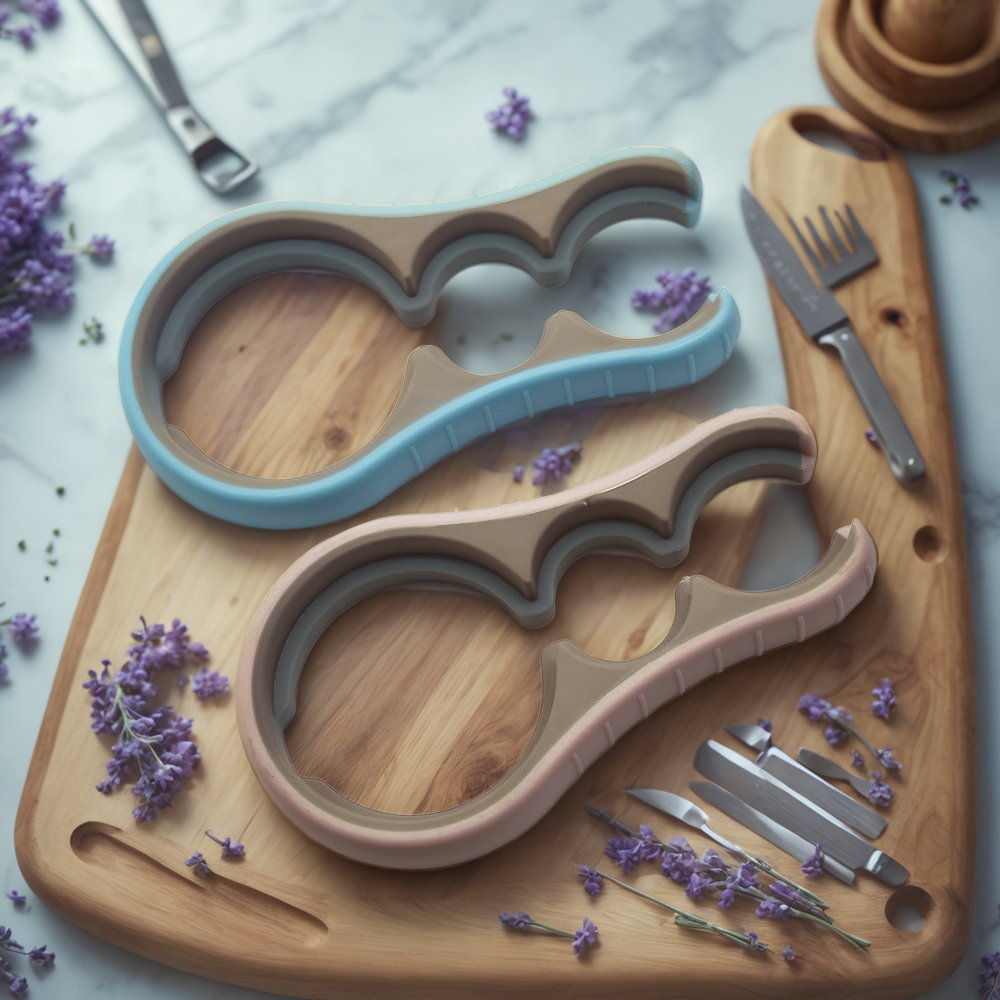
Multi-Purpose Jar Opener: Practical Guide for Easier Lid Opening
Opening a tight jar should not turn a quick meal into a test of hand strength. Vacuum-sealed caps, sticky sauce lids, and overtightened jars can be difficult for almost anyone, especially when hands are wet, tired, or sensitive. A multi-purpose jar opener is designed to add grip and leverage so the lid turns with less effort.
This guide explains what to look for in a jar opener tool, how to use it properly, and how to decide whether a compact multi-ridge design fits your kitchen. The original product concept includes a dual-tone look, often in dusty blue and lavender, ergonomic contours, multiple ridges for different lid diameters, and soft-touch rubber-lined grooves that help hold lids firmly while twisting.
Key Takeaways
- A multi-purpose jar opener is most useful when it fits several lid sizes rather than only one jar type.
- Rubber-lined grooves can improve friction and reduce slipping on smooth metal or plastic lids.
- An ergonomic grip matters for users with limited hand strength, wet hands, or frequent kitchen tasks.
- Check cleaning, storage, and lid-size compatibility before choosing an opener.
- Use the tool with steady downward pressure and a controlled twist instead of sudden force.
Why Stubborn Lids Are Hard to Open
Jar lids resist opening for several common reasons. A vacuum seal can pull the lid tightly against the glass rim. Sugary sauces, oils, or dried food residue can act like glue around the thread. Some caps are simply tightened too firmly during packing or after previous use. Smooth lids also offer very little friction, so fingers may slide even when the lid is not extremely tight.
A jar opener helps by increasing contact with the lid and giving the user a more comfortable surface to hold. Instead of relying only on fingertips, the tool spreads pressure across a larger area. The result is better control and less strain during everyday kitchen work.
Design Features That Matter
The most useful jar opener is not necessarily the largest or most complicated one. For home use, the important features are fit, grip, comfort, and control. The design described in the original article uses smooth, flowing contours and an ergonomic grip intended to feel secure in the hand. This is especially important when opening several jars during meal preparation.
Multiple ridges of varying sizes are another important feature. They allow the same tool to adapt to small sauce bottles, medium condiment jars, and larger pickle-style jars. Soft-touch rubber-lined grooves can help the opener bite into the lid surface without sliding. A lightweight body also makes the tool easier to keep in a drawer, carry to the dining table, or use with one hand while the other hand steadies the container.
Comparison and Selection Checklist
Before buying a jar opener tool, compare it against the lids you use most often. A good match depends on your kitchen habits, not just the product appearance.
| Selection point | What to check | Why it matters |
|---|---|---|
| Lid size range | Look for multiple grooves or ridges for different diameters. | One tool can handle more jars and bottles. |
| Grip material | Check whether the contact area has soft-touch or rubber-lined grooves. | Better friction can reduce slipping on smooth lids. |
| Handle comfort | Hold the opener and note whether the shape supports your palm. | A comfortable grip reduces hand strain. |
| Storage | Consider thickness, weight, and drawer space. | A tool that is easy to store is more likely to be used. |
| Cleaning | Ask how grooves should be washed and dried. | Food residue can collect in textured areas. |
How to Use a Multi-Purpose Jar Opener
Using a multi-purpose opener is straightforward, but technique makes a difference. Start by choosing the groove that best matches the lid. The opener should sit securely around the cap without forcing the lid into a size that is too small or too large.
- Dry the lid and your hands if they are wet or oily.
- Place the jar on a stable surface, such as a countertop or non-slip mat.
- Fit the correct ridge or groove around the lid.
- Apply light downward pressure so the rubber-lined area grips the cap.
- Twist steadily in the opening direction while holding the jar body firmly.
- If the lid does not move, pause and reposition the opener rather than using a sudden jerk.
For vacuum-sealed jars, you may hear a small pop once the seal releases. After that, the lid should turn more easily. Avoid using the opener on damaged glass jars or cracked lids, as extra force can increase the risk of breakage.
Who Benefits Most from This Tool?
A jar opener can help many types of users. It is useful for busy home cooks who open sauces, jams, pickles, and condiments often. It can also be helpful for older adults, people with reduced grip strength, and anyone who finds smooth caps difficult to control. Even strong users may appreciate the tool when dealing with oily lids or cold jars taken from the refrigerator.
Because the product has a compact kitchen-tool format, it can be kept near other utensils rather than stored with occasional gadgets. The dual-tone dusty blue and lavender color approach mentioned in the original article may appeal to users who prefer kitchen tools that are easy to spot in a drawer, although color should be secondary to fit and usability.
Care, Cleaning, and Storage Tips
Food residue and moisture can reduce grip over time, especially in textured grooves. After use, wipe the opener clean and remove any sauce, oil, or sticky residue. If washing with water, dry the tool before storing it so the grip surfaces stay clean and ready for the next use.
Store the opener where it is easy to reach. A drawer near the food-preparation area is usually better than a high cabinet. If multiple people in the household use it, keep it in a consistent location so it is available when a tight lid appears.
What to Ask Before Purchasing
Product pages do not always answer every practical question. If you are comparing options, ask the seller or supplier for details instead of assuming. Useful questions include: What lid diameter range does the opener fit? What materials are used in the grip area? How should the tool be cleaned? Is it intended for hand washing only? Does the design work with both metal and plastic caps? Are replacement or bulk packaging options available if buying for a workplace, care facility, or retail program?
These questions help avoid disappointment and ensure the opener matches the real containers you need to open.
FAQ
Can one jar opener fit every lid?
No single tool fits every container perfectly. A multi-ridge opener can cover many common lid sizes, but very large, unusually shaped, or damaged lids may need another method.
Will rubber-lined grooves scratch lids?
Soft-touch rubber-lined grooves are intended to grip rather than scrape, but results depend on the lid surface and the amount of pressure used. Use steady pressure instead of forcing the tool.
Is this type of opener useful for people with weak hands?
It can be helpful because it improves grip and leverage, but users with significant pain or mobility limitations should choose a design they can hold comfortably and safely.
How do I clean sticky residue from the grooves?
Use warm water and mild dish soap, then rinse and dry thoroughly. Pay attention to the groove areas where syrup, sauce, or oil may collect.
What should I do if a lid still will not open?
Reposition the opener, dry the lid, and try again with steady pressure. If the jar is damaged or the lid is severely stuck, avoid excessive force and consider a different safe opening method.
