




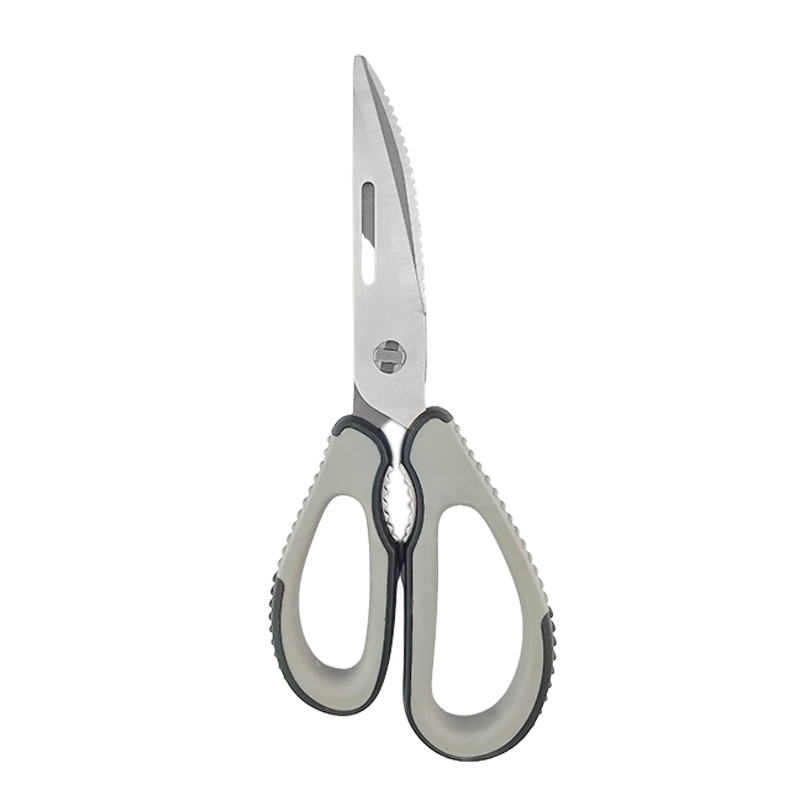
The Ultimate Multi-Functional Kitchen Scissors
Multi-functional kitchen scissors have become a practical alternative to keeping several single-purpose tools in a busy kitchen drawer. For home cooks, they can help with everyday preparation such as snipping herbs, cutting food packaging, trimming fish, or portioning poultry. For retailers, distributors, and private-label buyers, they are also a compact product category with broad consumer recognition and clear shelf appeal.
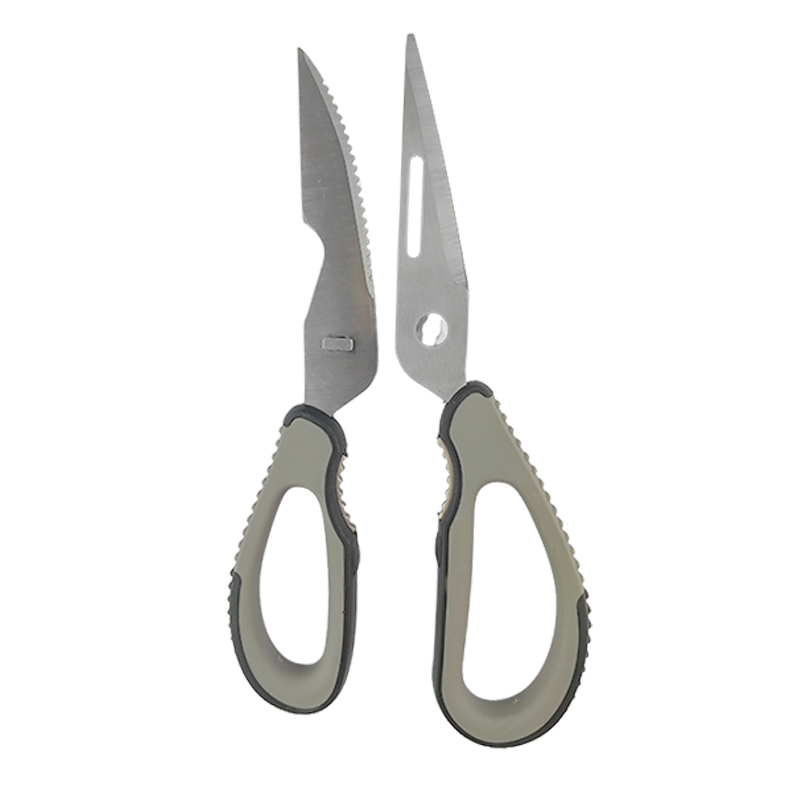
The original article highlights several common features found in this type of product: stainless steel blades, sharp cutting edges, a serrated section for gripping tougher materials, integrated functions such as a bottle opener, nutcracker, or vegetable peeler, and ergonomic handles for comfort and control. Those details are useful, but B2B buyers need more than a feature list. They need a structured way to compare samples, ask the right supplier questions, and avoid unclear claims before placing a wholesale or OEM order.
Key Takeaways
- Multi-functional kitchen scissors are valued because they combine cutting and auxiliary kitchen tasks in one compact tool.
- Buyers should verify materials, blade construction, handle comfort, cleaning method, packaging options, and replacement sample consistency.
- Do not rely on generic claims such as “premium” or “professional” without asking for clear specifications and documentation.
- For OEM or wholesale sourcing, request production samples, packaging artwork requirements, inspection standards, and lead-time details from the supplier.
What Makes Kitchen Scissors Multi-Functional?
A standard pair of scissors is designed mainly for cutting. Multi-functional kitchen scissors are designed to support several common food-preparation tasks. Depending on the model, the blades may include a serrated area that helps grip slippery or tougher ingredients. Some designs also include a bottle opener, nutcracker, or vegetable peeler, reducing the number of separate tools a user needs during meal preparation.
For consumer-facing listings, the most useful explanation is task-based: what can the scissors help cut, open, crack, trim, or peel? For B2B sourcing, the more important question is whether each added function is practical, durable, and easy to explain on packaging. Extra features only add value if they work reliably and do not make the tool uncomfortable or difficult to clean.
Core Product Features to Evaluate
When reviewing multi-functional kitchen scissors for a retail, online, or promotional product range, buyers should compare samples in a consistent way. The following table can be used as a simple checklist during product selection.
| Evaluation Point | What to Check | Questions for the Supplier |
|---|---|---|
| Blade material | Confirm the stated stainless steel type and finish | What material is used, and can it be documented? |
| Cutting performance | Test herbs, packaging, meat trimming, and tougher food items | How is sharpness checked before shipment? |
| Serrated section | Check grip on slippery or firm materials | Is the serration standard or customizable? |
| Integrated tools | Review bottle opener, nutcracker, or peeler usability | Which functions are included in this model? |
| Handle comfort | Assess grip, hand fit, and control during repeated use | Are handle colors or materials available for OEM orders? |
| Cleaning method | Check whether food residue can be removed easily | What cleaning instructions should appear on packaging? |
| Packaging | Review retail box, card, barcode, and instruction needs | What artwork files and labeling details are required? |
Why Blade Design Matters
The blade is the main reason a customer keeps using kitchen scissors after the first purchase. A sharp blade reduces effort, while a poorly aligned or dull blade can create frustration and returns. Stainless steel is commonly used for kitchen scissors because it is suitable for a kitchen environment, but buyers should still ask for the exact material specification instead of accepting broad phrases like “high-grade stainless steel” without details.
Blade geometry also affects performance. A straight section may be useful for clean cuts, while a serrated section can improve grip on fish skin, small bones, herbs, or packaging. However, a serrated edge should not be treated as proof that the scissors can cut every hard material. Retail descriptions should be accurate and avoid overstating performance beyond the supplier’s tested use cases.
Comfort, Safety, and Everyday Use
Eronomic handles were mentioned in the original article, and this is a key point for both consumers and product buyers. A comfortable handle should feel secure in the hand, allow controlled pressure, and avoid sharp edges where the fingers rest. For wholesale buyers, it is worth testing samples with several users because hand size and grip preference vary.
Safety is also connected to cleaning and storage. If the scissors include many integrated functions, check whether there are hidden gaps that trap food residue. Ask whether the blades are detachable if that feature is offered, and request clear care instructions. If detachability is not part of the product, do not imply it in marketing copy. Accurate instructions help reduce misuse and improve customer satisfaction.
OEM and Wholesale Sourcing Guidance
For retailers, kitchenware brands, and importers, sourcing multi-functional kitchen scissors should be handled like any other functional kitchen tool. A low unit price is not enough if cutting quality, packaging, or delivery consistency is uncertain. Start by defining the target channel: supermarket, online marketplace, promotional gift, specialty kitchen store, or private-label range. Each channel may require a different packaging style, price point, and feature set.
Before confirming a supplier, ask practical commercial and production questions rather than assuming details that have not been provided. Useful questions include:
- What blade material and handle material are used in the quoted model?
- Can the supplier provide pre-production samples for approval?
- Which parts of the design can be customized for OEM branding?
- What packaging formats are available, and who prepares the artwork?
- What inspection criteria are used for blade alignment, handle finish, and appearance?
- What are the MOQ, lead time, payment terms, and shipping options for the order?
These questions do not replace a formal purchasing agreement, but they help buyers identify whether a supplier is prepared to support a professional wholesale program.
How to Position the Product for Retail Customers
Good retail content should explain real use cases in plain language. Instead of using exaggerated claims, describe how the scissors help with common kitchen tasks: cutting herbs directly into a pan, opening food packaging, trimming poultry, preparing fish, cracking nuts if the model includes that function, or opening bottles if that tool is built in. This makes the product easier to understand and reduces the risk of disappointed customers.
Product pages should also include care guidance. Recommend cleaning after use, drying before storage, and keeping the tool away from children. If the supplier provides specific cleaning limits, such as whether dishwasher use is recommended or not, follow those instructions exactly. Do not add care claims unless they are confirmed for the specific model.
Practical FAQ
Are multi-functional kitchen scissors the same as regular scissors?
No. Regular scissors are mainly for cutting paper or light materials. Kitchen scissors are designed for food-preparation tasks, and multi-functional versions may include added tools such as a bottle opener, nutcracker, peeler, or serrated cutting section.
What should wholesale buyers check first?
Start with blade material, cutting performance, handle comfort, cleaning design, packaging options, and sample consistency. These factors directly affect customer experience and return risk.
Can kitchen scissors be customized for OEM projects?
Many sourcing programs ask about handle color, packaging, logo placement, and feature combinations. The exact options depend on the supplier and model, so buyers should confirm customization scope, MOQ, artwork requirements, and sample approval steps.
How should product claims be written?
Claims should match confirmed product details. If a model includes stainless steel blades, a serrated section, a bottle opener, a nutcracker, or a peeler, those features can be described. Avoid unverified claims about certifications, test results, material grades, or performance limits.
What makes a good supplier for this category?
A good supplier should provide clear specifications, stable sample quality, practical packaging support, transparent order terms, and responsive communication. Buyers should ask for details rather than relying on broad marketing language.
Final Buying Advice
Multi-functional kitchen scissors are useful because they solve simple kitchen problems in a compact format. For consumers, the best choice is a comfortable, sharp, easy-to-clean pair that matches everyday cooking habits. For B2B buyers, the best choice is a product that can be specified clearly, sampled reliably, packaged accurately, and marketed without unsupported claims. Treat the tool as both a functional kitchen item and a sourcing project, and the buying decision becomes much easier to manage.
