




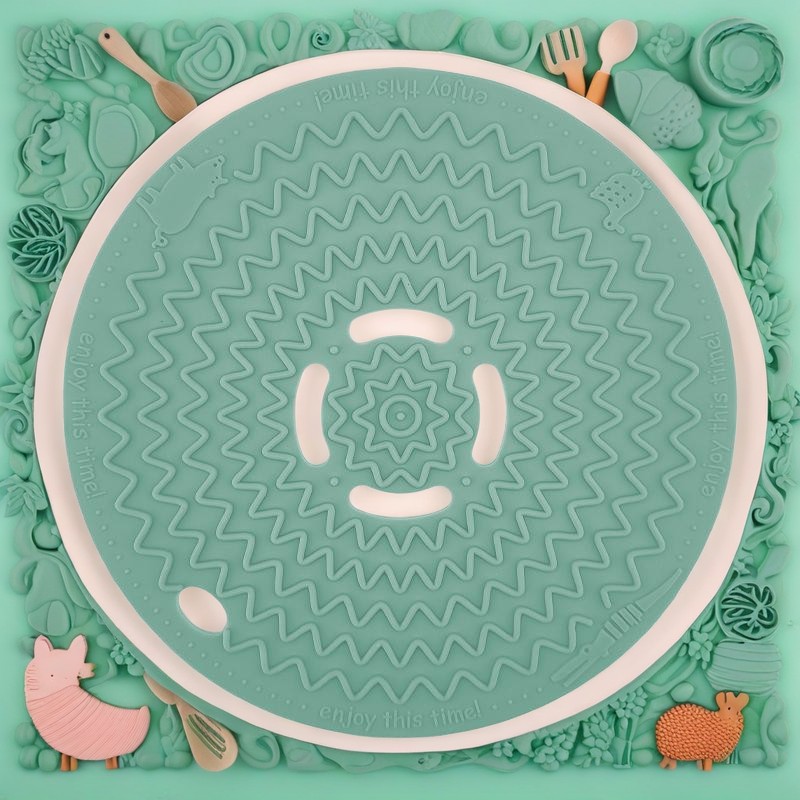
Ultimate Guide to Silicone Kitchen Mats: Heat-Resistant, Multi-Purpose Solutions
Silicone kitchen mats are simple tools, but they can solve several everyday kitchen problems: protecting counters from hot pans, improving grip when opening jars, cushioning cookware, and keeping prep areas cleaner. The original article highlighted three core ideas: silicone mats can be heat resistant, multi-purpose, and easy to clean. This expanded guide explains how to evaluate those claims in real use, what types of mats to consider, and how to care for them so they remain useful over time.
Key Takeaways
- Use silicone kitchen mats as trivets, grip pads, jar openers, coasters, and surface protectors.
- Check the supplier’s stated heat-resistance range before placing any mat under very hot cookware.
- Texture matters: ridges, honeycomb patterns, or raised dots can improve grip and airflow.
- Clean mats promptly after oily, sticky, or strongly colored foods to reduce residue and staining.
What Is a Silicone Kitchen Mat?
A silicone kitchen mat is a flexible pad made for common kitchen tasks. Depending on its design, it may work as a pot holder, trivet, grip mat, jar opener, spoon rest, drying mat, or protective layer under mixing bowls. The original product description refers to food-grade silicone, durability, easy cleaning, flexible structure, textured grip, and heat-resistant use. When shopping, treat these as features to verify on the specific product page or packaging rather than assuming every silicone mat performs the same way.
Silicone is popular in kitchens because it is flexible, washable, and generally less fragile than ceramic or glass accessories. A compact silicone jar opener pad, for example, can sit in a drawer and be used whenever a lid is difficult to loosen. A larger multi-function pot holder and grip mat can help protect a countertop while also giving hands more traction around cookware handles.
Common Uses Around the Kitchen
The main value of a silicone kitchen mat is versatility. One pad can often replace several single-purpose items, especially in small kitchens or commercial prep areas where space matters. Typical uses include:
- Trivet for hot cookware: Place the mat under a pan, tray, kettle, or casserole dish, provided the heat level is within the stated limit.
- Pot holder or grip aid: A flexible mat can help hold handles or lids, but it should not be used if it is too thin or if the cookware exceeds the heat rating.
- Jar opener: A ridged or textured pad increases friction when twisting tight lids.
- Counter protector: Use it under bowls, small appliances, or utensils to reduce slipping and surface contact.
- Coaster or spoon rest: Smaller mats can catch drips from cups, ladles, or cooking tools.
For best results, match the mat to the task. A thin jar opener pad is convenient for lids but may not provide the same hand protection as a thicker pot holder style mat. A large flat mat may protect a broad surface, while a compact textured pad may be better for grip.
How to Choose the Right Silicone Kitchen Mat
Before buying, look beyond color and shape. The most practical factors are heat rating, thickness, texture, size, and cleaning method. If the product is promoted as heat resistant, the supplier should state a temperature range and any limits on direct contact with cookware, ovens, microwaves, or dishwashers.
| Selection Point | Why It Matters | Question to Ask |
|---|---|---|
| Heat resistance | Determines whether the mat is suitable for hot pans or baking trays. | What is the tested temperature range for this exact mat? |
| Texture | Raised patterns can improve grip and help reduce slipping. | Is the surface designed for jar opening, pot holding, or general protection? |
| Thickness and flexibility | Affects insulation, comfort, storage, and ability to wrap around handles. | Is it thick enough for hand protection but flexible enough for grip? |
| Size | Small pads store easily; larger mats cover more counter space. | Will it fit the cookware, jar lids, or prep area you use most often? |
| Cleaning instructions | Proper cleaning helps prevent odors, grease film, and staining. | Is it dishwasher safe, hand-wash only, or subject to specific care limits? |
Heat-Resistant Use: Practical Safety Tips
Heat resistance is one of the main reasons people buy silicone kitchen mats, but the phrase should be used carefully. A mat may tolerate hot cookware for short contact, yet still have limits. Always follow the product’s stated use instructions. Avoid placing any mat directly on an active burner, open flame, grill surface, or under a broiler unless the supplier clearly confirms that use.
When using a silicone mat as a trivet, place it on a stable, dry, flat surface. If the cookware is extremely heavy, make sure the mat is wide enough to support it evenly. If using a flexible mat as a handle grip, fold it securely and keep fingers away from steam, metal edges, and hot liquids. Silicone can reduce heat transfer, but it does not make careless handling safe.
Cleaning and Care for Long-Term Use
One advantage of silicone mats is that they are usually easy to clean. For routine care, wash with warm water and mild dish soap, then rinse thoroughly. Grease can cling to textured surfaces, so use a soft brush or sponge to clean grooves and ridges. Let the mat dry fully before storing it to avoid trapped moisture in drawers.
- Rinse soon after contact with sauces, oil, or strong-smelling foods.
- Avoid abrasive scouring pads that may damage the surface texture.
- Do not cut directly on the mat unless the product is specifically sold as a cutting surface.
- Store flat or loosely rolled rather than sharply folded for long periods.
- Replace the mat if it becomes torn, sticky, cracked, or difficult to clean.
When a Multi-Purpose Mat Makes Sense
A multi-purpose silicone mat is useful if you want fewer tools on the counter and more flexibility in daily cooking. For home kitchens, it can serve as a trivet during dinner, a jar opener during meal prep, and a spoon rest while cooking. For small cafés, office pantries, or hospitality settings, compact silicone pads can help protect surfaces and simplify basic serving tasks. If buying in quantity for a business, ask the supplier about available sizes, colors, packaging options, care instructions, and documentation for the intended market.
FAQ
Can I put a silicone kitchen mat under a hot pan?
Yes, if the mat is designed for that purpose and the pan temperature is within the supplier’s stated heat-resistance range. Do not assume every silicone pad is suitable for extreme heat.
Is a silicone jar opener pad different from a pot holder mat?
Often, yes. Jar opener pads are usually compact and textured for grip, while pot holder mats may be thicker or shaped for handling cookware. Some designs can do both, but check the product details.
How do I remove oily residue from a silicone mat?
Wash with warm water, mild dish soap, and a soft sponge or brush. Rinse well and air dry. If residue remains, repeat cleaning rather than using harsh abrasives.
Can silicone mats be used as cutting boards?
Not unless the product is specifically intended for cutting. Knives can damage many silicone surfaces and create grooves that are harder to clean.
What should buyers ask before sourcing silicone kitchen mats wholesale?
Ask for material details, heat-resistance data, size tolerances, packaging options, care instructions, available colors, lead times, and any compliance documents relevant to your sales region.
