




Three-Purpose Peeler: Practical Guide for Everyday Prep
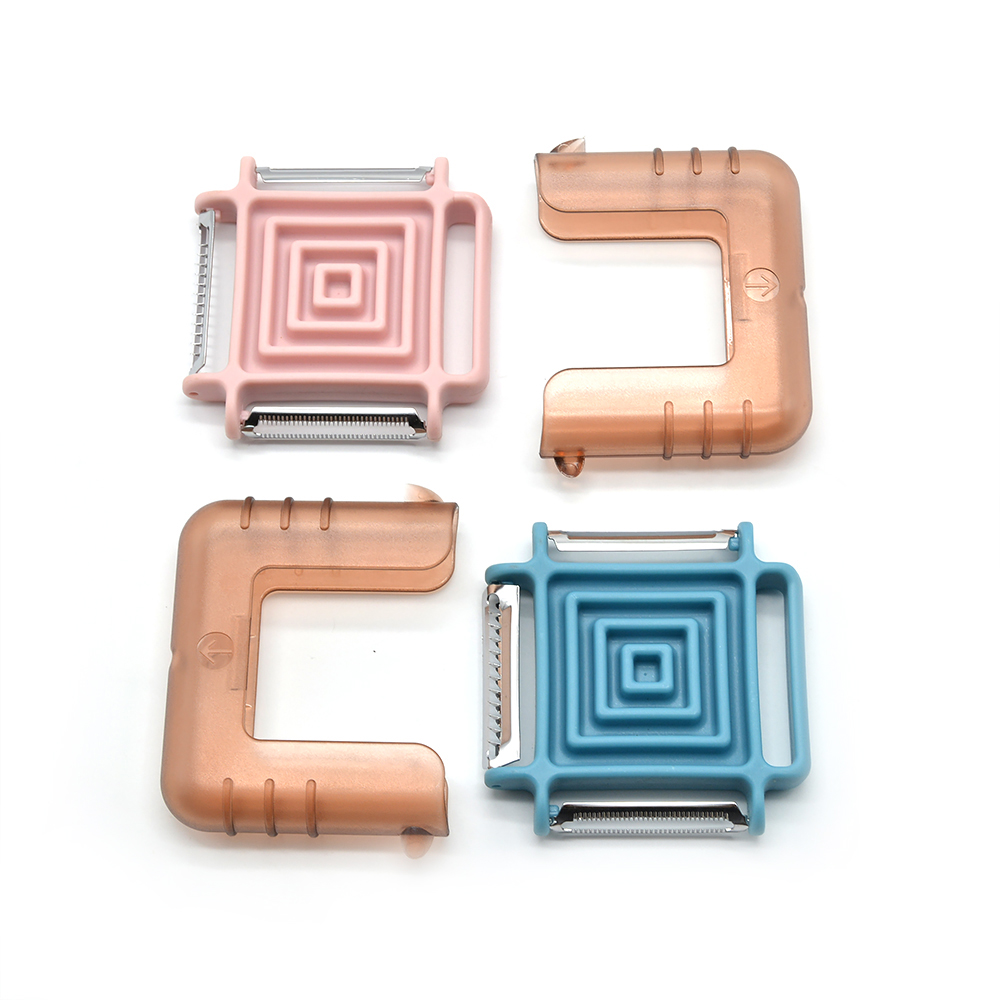
A three-purpose peeler is designed for cooks who want one compact hand tool to handle several small preparation jobs. The original product description presents it as a multi-functional peeler set with dual peeling and grating capabilities, stainless steel blades, an ergonomic handle, pastel pink and blue colors, rose gold accents, and a protective cover for safer storage. Those are useful details, but the real question for shoppers is simple: when does a combined peeler and grater make sense, and how should you evaluate one before buying?
This guide explains where a three-purpose peeler fits in daily food preparation, what to check before purchase, and how to use and care for it without turning a convenient tool into a risky or hard-to-clean gadget.
Key Takeaways
- A three-purpose peeler is best for light, frequent prep tasks such as peeling potatoes, carrots, and apples, plus zesting citrus or grating small amounts of firm food.
- Stainless steel blades, a comfortable handle, and a protective cover are the most important practical details mentioned in the source material.
- Buyers should check blade sharpness, grip comfort, cleaning access, and storage safety rather than choosing only by color or decorative finish.
- For heavy grating, large batch prep, or commercial kitchens, a dedicated grater or specialized peeler may still be more efficient.
What Is a Three-Purpose Peeler?
A three-purpose peeler combines multiple preparation functions in one small kitchen tool. Based on the original description, this product is intended for peeling, grating, and zesting. It is positioned as a compact alternative to keeping separate tools for every small task.
For home kitchens, that can be useful when drawer space is limited or when a cook wants a quick tool for weeknight meals. For example, the peeling edge can be used on vegetables and fruit, while the grating or zesting surface may help with hard cheese, citrus peel, or finishing touches that do not require a full-size box grater.
It is important to keep expectations realistic. A compact peeler and grater set is not meant to replace every kitchen tool. It works best when the task is small, controlled, and repetitive rather than heavy-duty.
Best Uses in Everyday Cooking
The most practical value of a multi-function peeler is speed during common prep. If you often peel carrots for soup, potatoes for boiling, apples for baking, or citrus for zest, having one tool within reach can reduce the number of utensils used and washed.
- Use the peeling blade for firm produce such as potatoes, carrots, cucumbers, and apples.
- Use the zesting or fine grating side for citrus peel, small amounts of hard cheese, or finishing ingredients.
- Use the protective cover after washing and drying so the blade is not exposed in a drawer.
For softer foods, work slowly. A sharp blade can remove too much flesh if too much pressure is applied. For round foods such as apples or potatoes, rotate the item steadily and keep fingers away from the blade path.
How to Choose a Multi-Function Peeler
Color and finish may influence whether a tool looks good on a countertop, and the original article notes pastel pink and blue colors with rose gold accents. However, performance should come first. A good peeler should feel secure in the hand, cut cleanly without tearing, and be easy to rinse after use.
The source describes stainless steel blades and an ergonomic handle. Those are useful starting points, but shoppers should still check product details carefully. Ask whether the blade is replaceable, whether the cover locks securely, whether the grating surface traps food, and whether the handle is comfortable for both left- and right-handed users.
| Selection Point | What to Check | Why It Matters |
|---|---|---|
| Blade material | Confirm the blade is stainless steel, as stated in the product description. | Sharp metal blades help produce cleaner peeling and grating results. |
| Handle comfort | Hold the tool and check grip security when hands are dry and slightly wet. | A stable grip reduces slipping and hand fatigue during repeated prep. |
| Protective cover | Check whether the cover fits firmly and shields the cutting edge. | Covered storage helps protect fingers and preserve blade condition. |
| Cleaning access | Look for areas where peel, zest, or cheese may become trapped. | Easy cleaning reduces odor, residue, and hygiene problems. |
| Task fit | Match the tool to light peeling, zesting, and small grating jobs. | A compact tool may not suit large batches or heavy grating. |
Safe Use and Care Tips
Because a peeler is small, it is easy to underestimate the blade. Treat it like any sharp kitchen tool. Peel away from your body when possible, keep the food stable, and avoid rushing when working with small pieces.
After use, rinse the blade area promptly so starch, fruit sugars, cheese, or citrus oils do not dry onto the surface. If food is stuck in the grating section, use a brush rather than fingers. Dry the tool before storing it, especially around metal parts, and put the protective cover back on before placing it in a drawer.
- Do not leave the peeler loose in a sink where someone may reach in and touch the blade.
- Do not use excessive force on very hard foods if the tool is intended for light prep.
- Do not store it uncovered with other utensils if a protective cover is supplied.
- Replace or stop using the tool if the blade becomes loose, bent, or damaged.
When a Dedicated Tool Is Better
A three-purpose peeler is convenient, but it is not always the best choice. If you grate large blocks of cheese, shred vegetables in volume, or prepare food for a high-output kitchen, a larger grater, mandoline, or food processor may save more time. If you mainly peel one type of produce, a specialized straight, Y-shaped, or serrated peeler may feel better.
The advantage of the combined tool is flexibility. The tradeoff is that each function may be smaller than a dedicated alternative. Before buying, think about your real cooking habits rather than the longest possible feature list.
FAQ
Can a three-purpose peeler replace a box grater?
Not completely. It can help with small amounts of hard cheese, citrus zest, or light grating, but a box grater is usually faster for larger quantities.
Is stainless steel important for the blade?
The original description states that the tool uses stainless steel blades. Stainless steel is commonly used for kitchen cutting tools because it can provide a sharp working edge and is suitable for regular food contact when properly maintained.
How should I store the peeler safely?
Use the protective cover if one is supplied. Store the tool dry and covered, away from loose utensils that could push against the blade.
What foods are suitable for this type of peeler?
The source mentions potatoes, carrots, apples, hard cheese, and citrus fruits. These are sensible examples for light home preparation.
What should I check before purchasing?
Check blade sharpness, handle comfort, cleaning access, cover fit, and whether the tool is appropriate for your usual prep volume.
