




Three-Purpose Peeler: Practical Guide to a Versatile Kitchen Tool
A good peeler is one of the simplest tools in the kitchen, but the right design can make a noticeable difference in daily food preparation. A three-purpose peeler set is designed to handle more than one peeling task by combining three blade styles: a classic straight blade, a julienne blade and a serrated blade. Instead of relying on a single peeler for every ingredient, home cooks can choose the blade that suits the texture and shape of the produce.
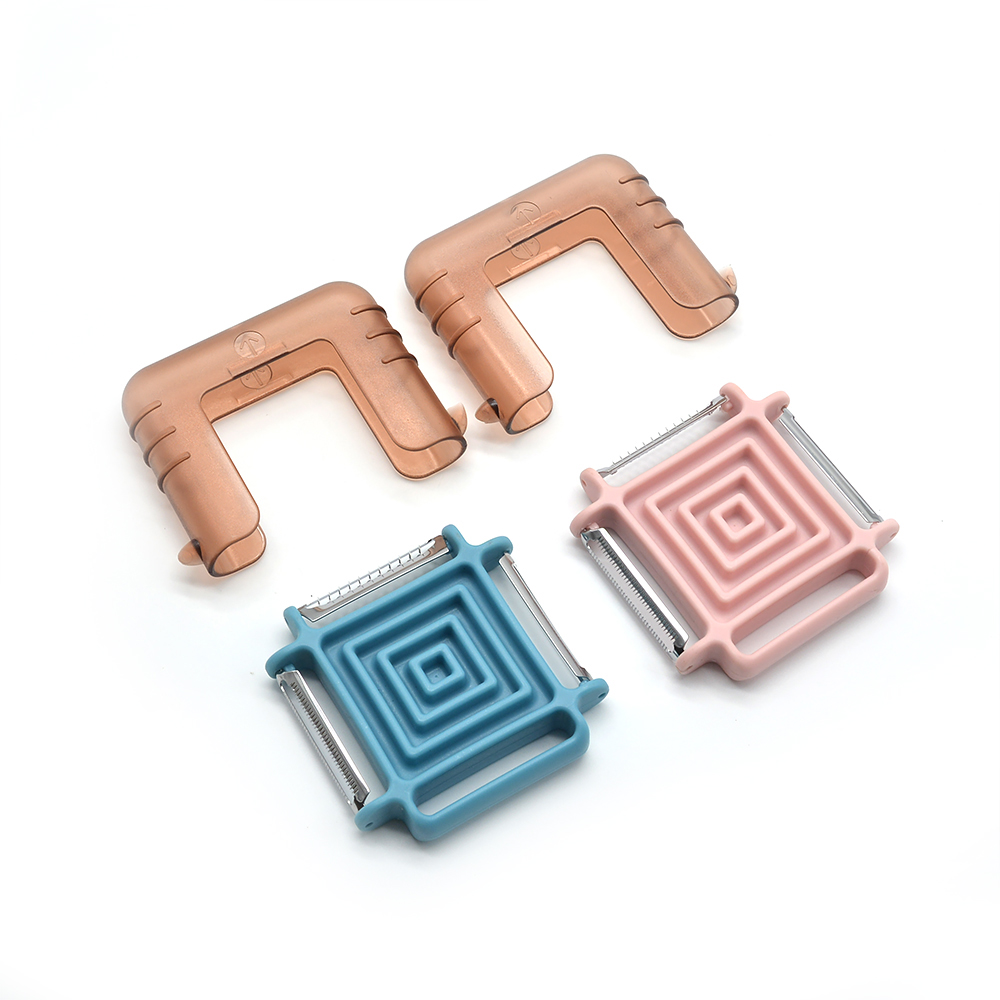
The original product description highlights a set housed in an elegant holder, with stainless steel blades, ergonomically integrated grips, radial body patterns for stabilization, copper-tinted holders, and pink and blue tones. Those details point to a tool intended not only for utility, but also for convenient countertop storage and comfortable handling. This guide explains how to evaluate and use a three-purpose peeler without treating it as a decorative accessory alone.
Key Takeaways
- A three-purpose peeler is most useful when each blade has a clear job: straight peeling, julienne cutting and serrated peeling.
- Stainless steel blades should be kept clean and dry to help maintain performance.
- Comfort, grip stability and safe storage matter as much as blade variety.
- Choose the blade based on produce texture rather than using one blade for everything.
What Is a Three-Purpose Peeler?
A three-purpose peeler is a compact peeling set that provides multiple cutting options for fruits and vegetables. In this product concept, the set includes three distinct blades. The straight blade is intended for smooth-skinned produce, the julienne blade creates narrow strips, and the serrated blade helps with tougher or more delicate skins that may slip under a plain edge.
This type of tool is especially useful for kitchens where storage space is limited but cooking habits vary. One meal may require peeling potatoes, another may call for carrot strips for a salad, and another may involve tomatoes, peaches or other ingredients with skins that can be awkward to remove. Having the three blade types stored together reduces drawer clutter and makes it easier to choose the right edge quickly.
Blade Types and Best Uses
The main value of this set comes from understanding when to use each blade. A straight blade is usually the first choice for everyday peeling. It works well when the produce surface is firm and relatively even. A julienne blade is not primarily for removing skin; it is used to make thin strips for salads, garnishes, slaws or quick stir-fry preparation. A serrated blade is useful when the skin is tougher, waxy or slippery, because the small teeth can catch the surface more effectively.
| Blade type | Best for | Practical tip |
|---|---|---|
| Straight blade | Smooth-skinned fruits and vegetables | Use steady pressure and peel away from your hand. |
| Julienne blade | Uniform strips for salads, garnishes and vegetable prep | Use long, even strokes for consistent strips. |
| Serrated blade | Tough, thin or slippery skins | Let the teeth grip the surface rather than forcing the blade. |
How to Choose a Multi-Function Peeler Set
When comparing a three-purpose peeler with a standard single peeler, look beyond the number of blades. A set is only useful if the blades are easy to identify, comfortable to hold and safe to store. The original description mentions ergonomically integrated grips and radial patterns on the body for stabilization. These features are important because peeling involves repeated hand movements, and a slippery or awkward handle can make preparation slower and less controlled.
Consider the following checklist before choosing a peeler set:
- Blade clarity: Can you quickly tell which blade is straight, julienne and serrated?
- Grip comfort: Does the handle suit your hand size and peeling style?
- Stability: Are there grip patterns or shapes that help prevent slipping?
- Storage: Does the holder keep blades covered or organized when not in use?
- Cleaning access: Are food particles easy to rinse away from the blade area?
- Countertop fit: If stored in a holder, does it sit securely and fit your kitchen layout?
Using the Straight, Julienne and Serrated Blades Safely
Even a small peeler should be treated as a sharp cutting tool. Before use, check that the blade is clean and that the handle is dry. If the produce is round, such as an apple or potato, create a stable grip before peeling. For long vegetables such as carrots or cucumbers, place one end on a cutting board and peel downward if that gives better control.
Use the straight blade for basic peeling tasks where the goal is to remove a thin layer of skin. Avoid pressing too hard; excess pressure wastes edible flesh and can cause the peeler to skip. For the julienne blade, work slowly at first. The teeth cut strips, so fingers should stay well away from the path of the blade. For the serrated blade, a light sawing motion may help on resistant skins, but forcing the tool is unnecessary and can reduce control.
Care, Cleaning and Storage
Stainless steel blades are valued in kitchen tools because they are practical for repeated food preparation, but they still need proper care. Rinse the peeler soon after use, especially after working with starchy, acidic or fibrous ingredients. A small brush can help remove trapped vegetable fibers from a julienne blade. Dry the blades before returning them to the holder to reduce moisture buildup.
If the set is displayed on a countertop, keep it away from areas where it may be splashed by cooking oil or knocked over during meal prep. The original description notes a holder and colored tones, including copper-tinted holders with pink and blue accents. Appearance may make the set pleasant to keep visible, but the main purpose of the holder should be organization and safer access. Always store the blades where children cannot reach them.
When a Three-Purpose Peeler Makes Sense
A three-purpose peeler is a good fit for people who prepare fresh produce regularly and want a compact alternative to several separate tools. It can be especially helpful for salad preparation, lunchbox vegetables, garnishes, fruit peeling and everyday dinner prep. It is less necessary for cooks who rarely peel produce or who already use specialized knives and slicers for most tasks.
The set can also be a practical option for small kitchens because the three blade functions are stored together. However, buyers should be realistic: a peeler is not a replacement for a chef’s knife, mandoline or food processor. It is best for quick hand preparation, not high-volume slicing or heavy cutting.
Practical FAQ
What is the straight blade used for?
The straight blade is intended for smooth-skinned fruits and vegetables where you want to remove a thin, even layer of peel.
What does the julienne blade do?
The julienne blade cuts produce into narrow strips. It is useful for carrots, cucumbers and similar vegetables used in salads, garnishes or quick cooking.
When should I use the serrated blade?
Use the serrated blade on tougher, waxy or slippery skins where a plain straight blade may not grip as easily.
Are stainless steel blades maintenance-free?
No. They should still be washed, cleared of food particles and dried after use. Proper care helps keep the tool clean and ready for the next task.
Is a holder necessary?
A holder is not required for peeling, but it helps keep the three tools organized and can reduce loose sharp items in a drawer.
How do I avoid wasting food while peeling?
Use light pressure, choose the blade suited to the produce, and peel in steady strokes. Pressing too hard often removes more flesh than needed.
Final Thoughts
A three-purpose peeler works best when it is chosen and used as a practical preparation tool, not just as a colorful countertop item. The combination of straight, julienne and serrated blades gives home cooks flexibility for common fruit and vegetable tasks. Comfort features such as integrated grips and stabilizing patterns can improve control, while a holder keeps the set organized. For everyday kitchens that handle a variety of produce, this kind of multi-function peeler can be a simple way to make prep more efficient and consistent.
