




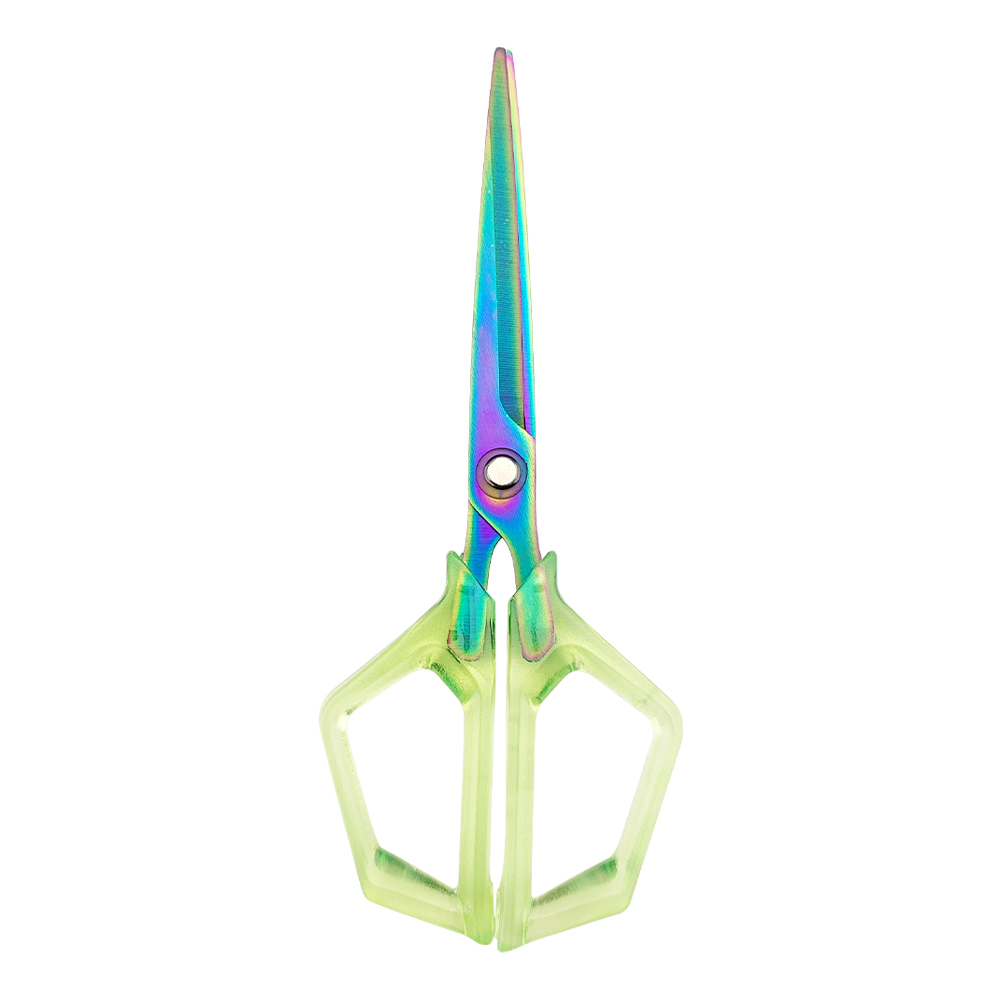
Titanium Scissors for Professionals: Cutting Edge Precision
For artists, crafters, designers, workshop teams, and sourcing buyers, scissors are not a minor accessory. A dependable pair affects cutting accuracy, hand comfort, material waste, and the final appearance of a project. The phrase titanium scissors is often used in the market to describe scissors with titanium-related finishes, coatings, or positioning, but buyers should always verify the actual blade material and surface treatment with the supplier. What matters most is not the marketing term alone, but the combination of sharpness, blade alignment, pivot control, handle comfort, and consistent quality.
The original article highlighted professional use, manufacturing quality, and modern customization. This expanded guide keeps those useful themes while adding practical selection and sourcing advice for buyers who need scissors for craft, design, office, textile, packaging, or promotional product programs.
Key Takeaways
- Professional scissors should be assessed by cutting performance, blade alignment, pivot smoothness, and comfort, not by finish alone.
- “Titanium” can mean different things in product listings, so confirm whether it refers to coating, color, plating, or another construction detail.
- For OEM, wholesale, or supplier sourcing, ask clear questions about materials, customization, quality inspection, packaging, and sample approval.
- A product such as Rose Gold Precision Craft Scissors shows how appearance and usability can be combined, but specifications should still be confirmed before bulk purchasing.
What Makes Scissors Suitable for Professional Work?
Professional users usually need scissors that cut cleanly across repeated tasks. A craft designer may cut paper, ribbon, templates, or decorative materials. A studio team may need consistent performance throughout the day. A buyer selecting scissors for retail or promotional use may need a tool that feels reliable in the hand and looks attractive on display.
The most important performance factors are blade edge quality, blade alignment, pivot tension, and handle ergonomics. If the two blades do not meet correctly, even sharp scissors can fold or snag the material. If the pivot is too loose, the cut may feel unstable. If it is too tight, the user may experience fatigue. Professional-grade scissors do not need exaggerated claims; they need predictable performance.
Understanding “Titanium” in Scissor Descriptions
In the scissor market, “titanium” may be used in several ways. Some products may have a titanium-colored surface. Others may have a coating or finish associated with improved wear resistance or appearance. Some listings may use the word mainly to communicate a premium look. Because the term can vary by supplier, B2B buyers should not assume a specific grade, coating process, or performance result unless it is provided in written specifications.
When discussing titanium scissors with a supplier, ask for the blade material, finish description, coating process if applicable, and any available test or inspection criteria. If the product is for professional craft or design use, request samples and test them with the real materials your customers are likely to cut.
Blade Alignment, Pivot Tension, and Handle Comfort
The original article correctly noted that high-quality scissor manufacturing depends on precision engineering. In practical terms, three details deserve close attention. First, blade alignment determines whether the scissors cut from the base to the tip without leaving uncut fibers. Second, pivot tension controls how smoothly the blades open and close. Third, handle design affects comfort, control, and user fatigue.
Ergonomic handles are especially important for long sessions. A handle may look attractive but still create pressure points if the finger openings, grip angle, or balance are not suitable for the intended user. For professional applications, sample testing should include both short precision cuts and longer repetitive cuts.
Comparison Checklist for Selecting Professional Scissors
| Selection factor | What to check | Why it matters |
|---|---|---|
| Blade material | Ask for the stated blade material and finish details. | Prevents assumptions about titanium, stainless steel, or coatings. |
| Cutting test | Test on the actual paper, fabric, ribbon, or craft material used. | Real-use testing is more useful than generic claims. |
| Pivot movement | Open and close the scissors repeatedly to check smoothness. | Affects control, comfort, and cutting consistency. |
| Blade tip precision | Check whether the tip cuts cleanly on small details. | Important for designers, crafters, and detail work. |
| Handle comfort | Evaluate grip size, shape, and pressure during repeated use. | Reduces hand fatigue and improves accuracy. |
| Packaging and branding | Ask what packaging, labeling, or customization options are available. | Essential for retail, wholesale, and promotional programs. |
Customization and Visual Design
Modern professional tools are increasingly expected to look good as well as perform well. Customizable titanium scissors, colored handles, branded packaging, and coordinated product lines can help buyers serve different retail or promotional markets. However, customization should not come at the expense of cutting quality. A sample with the final finish, handle color, logo method, and packaging is the safest basis for approval.
The original article mentioned Rose Gold Precision Craft Scissors with premium stainless steel blades and an elegant pink handle. This is a useful example of a tool that combines a decorative appearance with a practical cutting purpose. For sourcing teams, the key is to confirm the exact materials, finish, available colors, logo options, and packaging format before placing a bulk order.
B2B Sourcing Questions for Factories, OEM, and Wholesale Buyers
If you are buying scissors for resale, brand programs, kits, or professional supply channels, treat the sourcing process as a quality-control project. Do not rely only on catalog photos. Ask direct questions and keep written answers for comparison.
- What is the blade material and what does “titanium” refer to in this product?
- Can the supplier provide pre-production samples for cutting tests?
- What customization options are available for handle color, logo, and packaging?
- How is blade alignment checked during production?
- What inspection criteria are used before shipment?
- Are replacement samples or revised samples available if the first sample does not meet expectations?
- What commercial details, such as MOQ, lead time, and packing method, should be confirmed in writing?
These questions do not assume capabilities or certifications. They help buyers compare suppliers fairly and reduce misunderstandings before production.
Care and Use Tips for Longer Service Life
Even well-made scissors perform best when they are used correctly. Avoid cutting materials that are harder than the tool is intended to handle unless the supplier confirms suitability. Keep the blades clean and dry after use, especially if adhesives, tape, or craft residues are involved. Store scissors closed and protected to reduce edge damage. If the pivot becomes loose or stiff, follow the supplier’s maintenance guidance rather than forcing the tool.
For teams, it can help to assign scissors by material type. A pair used for paper may not deliver the same clean result on delicate fabric after heavy mixed use. Clear tool management protects both the scissors and the quality of finished work.
Practical FAQ
Are titanium scissors always better than stainless steel scissors?
Not automatically. Performance depends on blade material, edge quality, alignment, coating or finish, and manufacturing consistency. Always compare samples using the materials you need to cut.
What should buyers confirm before ordering customized scissors?
Confirm blade material, finish meaning, handle color, logo method, packaging, sample approval process, inspection standards, MOQ, lead time, and shipment packing details.
Can decorative scissors still be suitable for professional use?
Yes, if the cutting performance, comfort, and durability meet the user’s needs. Appearance is valuable, but it should be evaluated alongside function.
How can I test scissors before wholesale purchase?
Request samples and test cutting from heel to tip, fine detail cutting, repeated opening and closing, grip comfort, and performance on your target materials.
What is the safest way to interpret “titanium” in a product listing?
Treat it as a term to verify. Ask the supplier whether it describes a coating, color, finish, material component, or marketing style, and request written specifications.
