




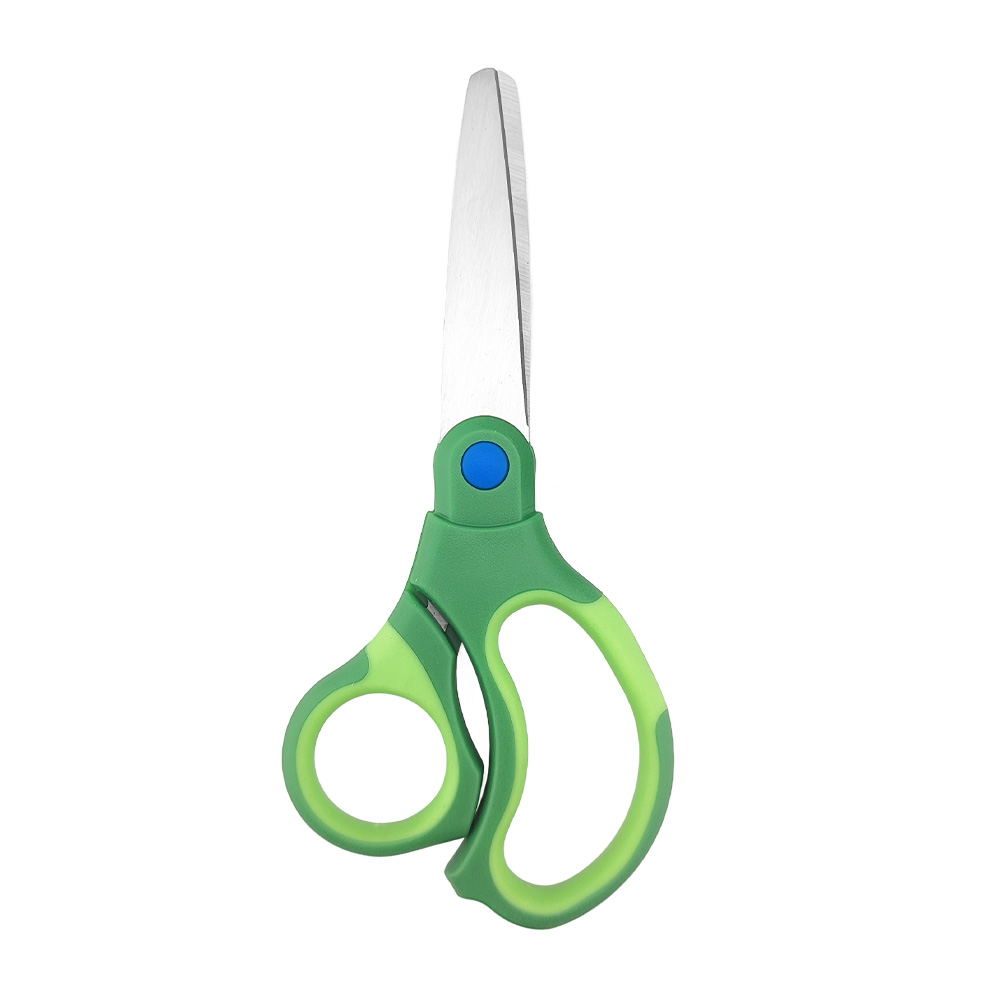
Top Children Safety Scissors: Protect Young Crafters
Children safety scissors are small tools, but they carry a large responsibility. Parents, teachers, craft-kit brands, and school-supply buyers need scissors that help children cut paper and basic craft materials while reducing avoidable risk. The right product is not simply the brightest color or the lowest unit cost. It should match the child’s age range, cutting task, grip comfort, storage method, and the buyer’s quality expectations.
This guide rewrites the topic from a sourcing and selection point of view. It is useful for buyers comparing children safety scissors, OEM scissors options, factory scissors manufacturing partners, and safety cover scissors for kids. It does not assume unverified specifications. Instead, it explains what to check, what to ask, and how to evaluate samples before committing to a school, retail, or private-label program.
Key Takeaways
- Children safety scissors should prioritize rounded tips, controlled cutting performance, comfortable handles, and clear storage habits.
- Safety cover scissors for kids can reduce exposure during storage and transport, but the cover must fit securely and be easy for adults to manage.
- For OEM scissors projects, buyers should confirm materials, age grading, labeling, packaging, testing expectations, and sample approval steps with the supplier.
- Do not rely only on product photos. Request physical samples and test them with the intended paper, craft sheets, or classroom materials.
- Commercial details such as MOQ, lead time, customization limits, and documentation should be confirmed directly with the factory or supplier.
What Makes Children Safety Scissors Different?
Children safety scissors are designed for young users who are still developing hand strength, coordination, and safe tool habits. Common safety-focused elements include rounded tips, blunt or less aggressive edges, and handles shaped for smaller hands. The original article also highlights safety cover scissors for kids, which add a protective sheath or cover for storage.
These features do not remove the need for supervision. A “safe” scissor is still a cutting tool. For schools and activity providers, the goal is to choose a product that supports supervised learning: cutting paper, making cards, building simple decorations, or completing classroom projects. Buyers should avoid vague claims and instead request clear descriptions of blade type, handle material, cover design, and intended age range.
Choosing Scissors by Use Case
The best choice depends on where the scissors will be used. A preschool classroom may prefer shorter scissors with very controlled cutting ability. A primary school art room may need a stronger pair that still has rounded tips. A craft-kit brand may need compact scissors that fit into a box and include a safety cover for shipping and storage.
Before sourcing, define the application clearly. Will children cut only paper, or also foam sheets, yarn, cardboard, or thin fabric? Will the scissors be shared by many students or used by one child at home? Will the product be sold as part of a kit, in retail packaging, or in bulk classroom packs? These decisions influence handle design, packaging, cover requirements, and quality checks.
Comparison Checklist for Buyers
| Selection Point | Why It Matters | Questions to Ask a Supplier |
|---|---|---|
| Tip design | Rounded tips help reduce accidental pokes during normal craft use. | Are the tips rounded, and can you provide close-up sample photos or samples? |
| Blade behavior | Children need enough cutting ability for paper without overly aggressive edges. | What materials are the scissors intended to cut, and what should they not cut? |
| Handle fit | Small hands need a stable grip to avoid twisting and strain. | What age range or hand size is the handle designed for? |
| Safety cover | A cover can help protect the blade area in bags, drawers, and kits. | Does the cover stay in place during transport, and is it included in packaging? |
| OEM customization | Private-label buyers may need colors, logos, packaging, or assortment planning. | Which customization options are available, and what are the artwork requirements? |
| Quality documentation | Importers and retailers often need consistent records and inspection plans. | What inspection process, test reports, or compliance documents can be provided? |
OEM Scissors Sourcing: What to Clarify Early
For B2B buyers, OEM scissors sourcing should begin with a written product brief. Include the target market, user age range, product size expectations, colors, packaging style, barcode or labeling requirements, and whether a safety cover is required. If the product will be part of a children’s activity kit, also provide the kit dimensions and packing method.
A factory or supplier should be able to explain available options, but buyers should not assume every feature is standard. Ask whether the blades are stainless steel if that matters to your project, because the original article mentions stainless steel blades as an example but commercial orders should confirm actual material. Ask whether handles are plastic, what colors are possible, whether left-handed versions exist, and how samples will be approved before mass production.
Also clarify practical commercial details as questions rather than assumptions: What is the MOQ for the selected model? What is the sample cost and timing? What is the estimated production lead time after artwork approval? What packaging formats are available? What inspection standard will be used before shipment? Getting these answers early prevents mismatched expectations.
Evaluating Safety Cover Scissors for Kids
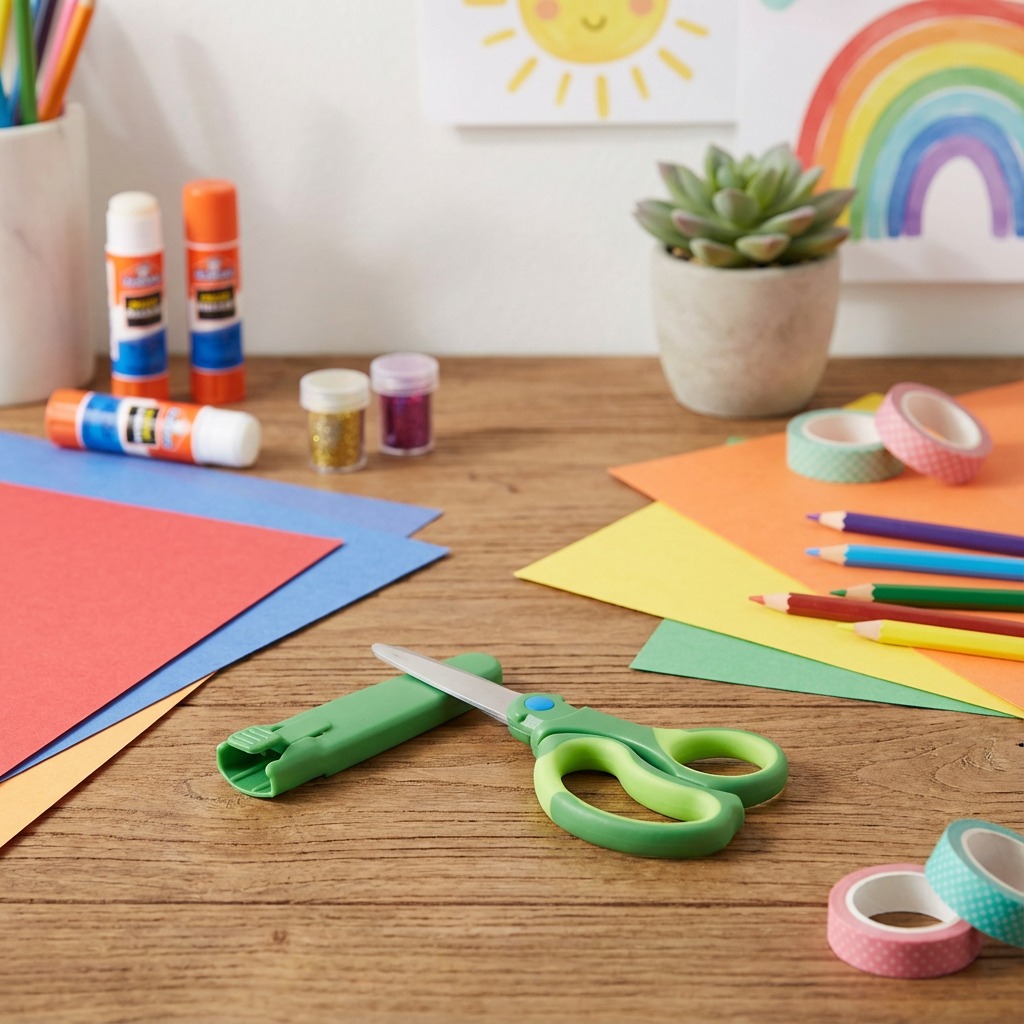
Safety cover scissors for kids are especially useful when scissors are stored in pencil cases, craft drawers, classroom bins, or boxed activity sets. A cover can keep the blade area separated from other supplies and may help teach children to store tools properly after use.
However, the cover itself needs evaluation. If it is too loose, it may fall off during shipping or daily handling. If it is too tight, children may struggle and pull unsafely. Buyers should test how the cover fits after repeated use. For classroom packs, teachers may prefer covers that are easy to identify and count. For retail kits, the cover should not damage packaging or create unnecessary bulk.
Sample Testing Before Placing an Order
Product photos are not enough for children safety scissors. Request samples and test them in the same environment where the product will be used. A school buyer can ask teachers to cut typical classroom paper and craft sheets. A kit company can place the scissors in the final box and check whether the cover stays attached. A retailer can review shelf presentation, warnings, and packaging durability.
- Check the tip shape and finish by sight and touch.
- Open and close the scissors repeatedly to feel hinge smoothness.
- Cut the intended paper or craft material, not just a single test sheet.
- Test handle comfort with the target age group under adult supervision.
- Inspect the safety cover for fit, removal effort, and storage convenience.
- Confirm packaging text, labels, and any required buyer-specific information.
Use, Care, and Supervision Tips
Even well-designed children safety scissors should be introduced with clear rules. Children should cut while seated, point the tips away from themselves and others, and return the scissors to a storage area after use. Adults should explain that scissors are for approved craft materials only, not hair, clothing, electrical items, or hard objects.
For schools, routine checks are helpful. Remove scissors with cracked handles, loose pivots, damaged covers, or rough edges. Keep classroom scissors clean and dry, especially if they are used with glue-heavy projects. For home use, store them away from toddlers and make sure older children understand when supervision is required.
Practical FAQ
Are children safety scissors completely safe?
No. They are designed to reduce common risks, but they are still cutting tools. Adult supervision and clear cutting rules are important.
Should I choose safety cover scissors for kids?
A safety cover is useful for storage, classroom bins, pencil cases, and craft kits. Check that the cover fits securely and does not create frustration during use.
What should OEM buyers ask a scissors supplier?
Ask about materials, handle size, tip shape, intended age range, packaging options, customization process, sample approval, MOQ, lead time, and available documentation.
Can children safety scissors cut fabric?
Some may cut thin fabric, but many are intended mainly for paper crafts. Confirm the intended cutting materials with the supplier and test samples before ordering.
How can schools manage shared scissors?
Choose durable, easy-to-count designs, inspect them regularly, store them in a fixed place, and replace any pair with visible damage or poor cutting control.
