




Colander Strainer Factory Sourcing Guide for Buyers
Choosing a colander strainer factory is not only about finding a low unit price. For importers, wholesalers, private-label brands, and kitchenware distributors, the better question is whether a supplier can consistently deliver practical products that meet your market’s expectations for usability, storage, durability, and presentation. The original product focus here includes colanders, plastic colander manufacturing, and a 2-in-1 Colander and Mixing Bowl Set. This guide explains how to evaluate those options with a sourcing mindset, without relying on unsupported assumptions.
Key Takeaways
- Assess a colander supplier by product usability, documentation, packaging support, and communication, not price alone.
- For plastic colanders, ask for written confirmation of material, BPA-free claims, and any applicable test reports before ordering.
- A 2-in-1 colander and mixing bowl set can be attractive for buyers because it supports rinsing, draining, mixing, and storage in one product concept.
- Request samples and inspect hole consistency, handle strength, nesting fit, surface finish, and carton protection.
What a Colander Strainer Factory Should Help Buyers Solve
A colander looks simple, but it affects daily kitchen workflow. Consumers use it for washing vegetables, draining pasta, rinsing fruit, and handling prepared foods. Commercial buyers need products that look good on the shelf and perform reliably after repeated use. A capable colander strainer factory should be able to discuss practical details: how water drains, how the product balances when full, how easy it is to grip, and whether the design stores efficiently.
The original article highlights features such as precision-molded holes and sturdy handles. These are useful points to evaluate during sample review. Hole placement affects drainage speed and whether small foods fall through. Handle shape affects comfort and stability. If the product is part of a nested or combined set, the fit between pieces should be checked carefully so units do not rattle excessively, stick together, or waste carton space.
Why Plastic Colanders Remain Popular in Wholesale Programs
Plastic colanders are widely used because they can be lightweight, colorful, and suitable for compact storage designs. A plastic colander manufacturer may also offer shapes that are difficult or costly to make in other materials. For buyers, the main sourcing question is not simply whether the item is plastic, but which material is used, what claims can be supported, and how the product will be positioned in the target market.
The source article mentions BPA-free materials. Because material claims can affect labeling and buyer responsibility, treat this as a point to verify with the supplier. Ask what resin is used, whether BPA-free status can be documented, and whether any third-party testing is available for your intended sales region. Avoid relying only on a catalog phrase when your retail customer, distributor, or marketplace may request evidence later.
Evaluating a 2-in-1 Colander and Mixing Bowl Set
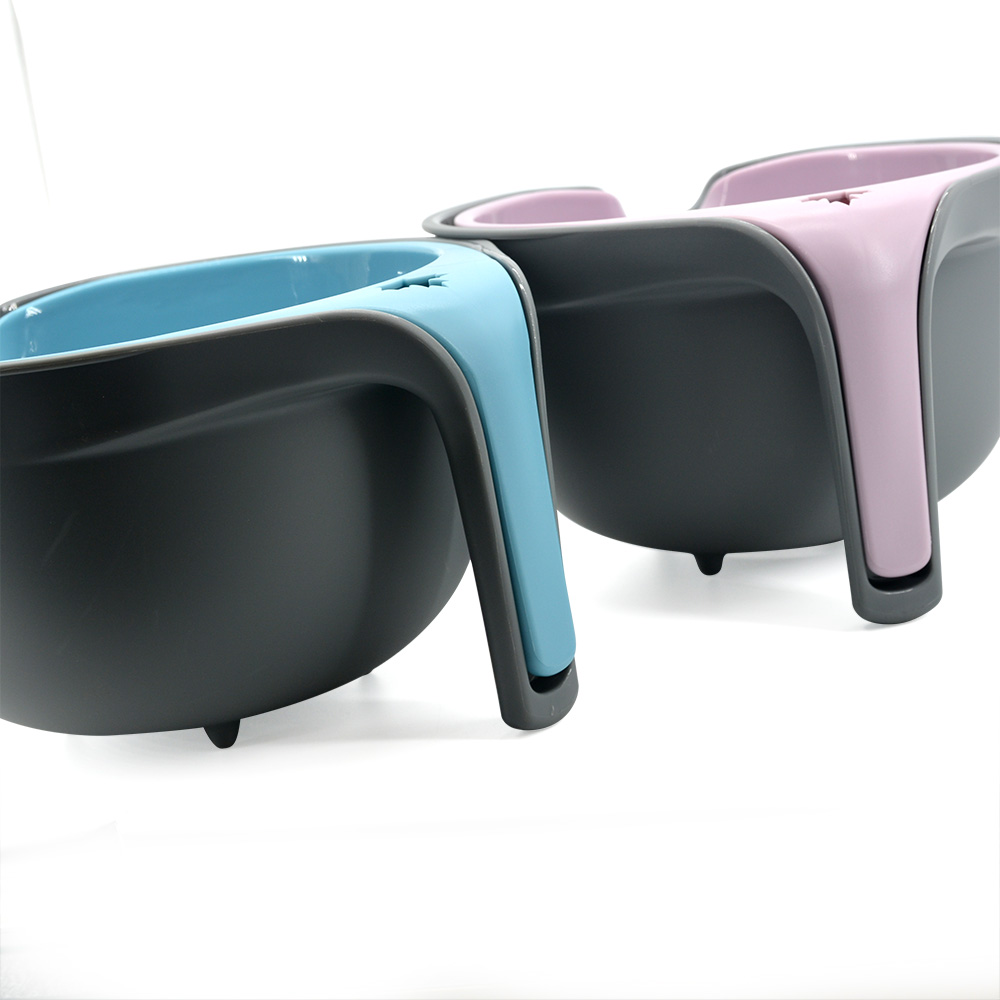
A 2-in-1 Colander and Mixing Bowl Set can be a practical product concept for modern kitchens. The colander component supports rinsing and draining, while the bowl can be used for mixing, catching water, or serving preparation tasks. For consumers with limited cabinet space, a nested set can be more appealing than separate pieces.
When sourcing this type of set, examine the relationship between the two parts. The colander should sit securely in or over the bowl without tipping during normal use. The bowl should have enough volume for common food preparation tasks, while the colander should drain efficiently. If the set is designed to nest for storage, ask for packed dimensions and review whether the nesting design reduces shipping volume or simply adds another component.
Factory Comparison Checklist for B2B Buyers
Before selecting a colander supplier, compare factories using a consistent checklist. The table below focuses on questions that help reduce sourcing risk without assuming any unverified manufacturing capacity, certification, or commercial term.
| Evaluation Area | What to Check | Questions to Ask the Supplier |
|---|---|---|
| Product design | Drainage holes, handle strength, bowl fit, nesting function | Can you provide samples of the current mold and explain available design options? |
| Material claims | Plastic type, BPA-free statement, food-contact suitability | What documentation supports the material and safety claims for our target market? |
| Quality control | Surface finish, burrs, warping, color consistency, packed condition | What inspections are performed before shipment, and can we define an AQL standard? |
| Customization | Color, logo, packaging, set configuration | Which customization options are available, and what are the costs and lead times? |
| Commercial terms | MOQ, sample policy, delivery schedule, payment terms | What is the MOQ for standard items and for customized packaging or colors? |
Sample Inspection: What to Look For
Samples are essential before placing a wholesale or OEM order. Photos can show appearance, but they cannot confirm balance, grip comfort, or actual drainage performance. Fill the colander with produce or similar weight, rinse under running water, and check whether the handles feel stable. Place the colander inside the matching bowl if it is a 2-in-1 set, then test whether water collects as expected and whether the colander can be lifted out cleanly.
- Check the rim and handles for sharp edges, burrs, or weak points.
- Inspect the drainage holes for consistent molding and smooth openings.
- Confirm that the bowl and colander nest without excessive force.
- Review color consistency across multiple samples if color matching matters.
- Test the packaging by repacking the sample and checking for movement inside the box.
OEM and Wholesale Sourcing Questions
If you are sourcing for private label or retail distribution, clarify the order details early. Ask whether the factory supplies standard products, customized colors, logo printing, packaging design, or modified set combinations. Do not assume that every option is available for every order size. MOQ, tooling needs, lead time, and unit cost may change depending on the level of customization.
Buyers should also discuss packaging requirements. A colander may be sold with a hang tag, sleeve, color box, or bulk carton depending on the channel. E-commerce packaging may require stronger protection than shelf-ready wholesale cartons. If your customer needs barcodes, warning statements, recycling marks, or specific labeling, provide the requirements in writing and ask the supplier to confirm feasibility before production.
Balancing Function, Appearance, and Cost
For kitchenware categories, a product should be easy to understand within seconds. A colander strainer must clearly communicate what it does, and a 2-in-1 set should make the combined function obvious. However, buyers should avoid overcomplicating the design if the target customer wants a simple, affordable tool. More components, special colors, or retail packaging can improve perceived value, but they can also affect cost and production complexity.
The best sourcing decision is usually based on total value: stable quality, clear documentation, reliable communication, and a product that matches the buyer’s channel. A factory that answers questions carefully and provides realistic timelines can be more valuable than one that gives vague promises.
Practical FAQ
What should I ask a colander strainer factory first?
Start with product availability, material information, sample policy, MOQ, customization options, packaging choices, and expected production lead time. Ask for written confirmation rather than relying only on verbal statements.
How can I verify a BPA-free plastic colander claim?
Ask the supplier what material is used and request supporting documentation or test reports relevant to your sales market. If your buyer has a compliance checklist, share it before ordering.
Is a 2-in-1 colander and mixing bowl set better than a single colander?
It depends on the channel. A set can offer stronger perceived value and storage convenience, while a single colander may suit budget programs or simple replacement purchases.
What defects should buyers watch for in plastic colanders?
Common issues to inspect include rough edges, uneven holes, weak handles, warping, poor nesting fit, inconsistent color, and packaging that allows damage during transit.
Can I request OEM packaging or private-label branding?
Many suppliers may offer customization, but availability depends on order quantity, artwork, production process, and packaging type. Confirm MOQ, cost, lead time, and proofing steps with the supplier.
