




Corn Cooker Manufacturer & Supplier Selection Guide
Choosing a corn cooker manufacturer or corn cooking machine supplier is not only about finding a machine that boils or steams corn. For restaurants, catering businesses, food stalls, supermarkets, and food processing operations, the right choice affects serving speed, consistency, cleaning time, staff safety, and long-term operating costs. Buyers also need to think about accessories used after cooking, such as trays, holders, and seasoning tools that support serving and handling.
This guide explains how to evaluate commercial corn cookers, what innovations are useful, and how a product such as a Corn Server Kit can fit into a complete corn preparation and service workflow. It avoids assumptions about capacity, certifications, materials beyond stated information, or factory terms that should always be confirmed directly with the supplier.
Key Takeaways
- Commercial corn cookers are commonly used in restaurants, food processing plants, catering, and high-volume service settings.
- Important buying factors include cooking method, temperature control, capacity, cleaning access, safety design, and supplier support.
- Ask suppliers for exact specifications, available customization, MOQ, lead time, warranty, spare parts, and compliance documentation.
- Service accessories, including a corn tray, silicone corn holders, and grinders, can improve handling and presentation after cooking.
What Commercial Corn Cookers Are Designed to Do
Commercial corn cookers are specialized machines intended for higher-volume preparation than ordinary home cookware. Depending on the design, they may be used for boiling or steaming corn quickly and evenly. In busy kitchens, even cooking matters because undercooked or overcooked batches slow service and create waste.
Many buyers look for features such as precise temperature control, large cooking capacity, and easy operation. These features are especially relevant for buffet service, street food counters, cafeteria lines, and food processing plants where corn must be prepared repeatedly throughout the day. Before purchasing, however, buyers should verify the actual capacity, power requirements, water usage, cooking cycle time, and installation needs with the manufacturer or supplier.
Useful Innovations in Corn Cooker Technology
The most valuable innovations are practical rather than decorative. A commercial corn cooker should help operators maintain consistency, reduce unnecessary energy use, and lower the risk of staff injury. The original article noted that newer designs may include advanced technology, easy-to-clean surfaces, and safety mechanisms. These are useful points to discuss with a supplier, but buyers should request written specifications rather than relying on general claims.
When reviewing a product sheet, ask whether temperature controls are manual or digital, whether the machine supports boiling, steaming, or both, and how operators drain or clean the unit. Also ask how the design prevents accidental contact with hot water, steam, or heated surfaces. For facilities with formal operating procedures, the supplier should be able to explain daily cleaning steps, maintenance intervals, and replacement part availability.
Comparison Checklist for Buyers
| Selection Factor | Why It Matters | Questions to Ask the Supplier |
|---|---|---|
| Cooking method | Boiling and steaming can produce different texture, speed, and workflow results. | Does the machine boil, steam, or support both methods? |
| Capacity | Undersized equipment causes delays; oversized equipment may waste space or energy. | How many ears of corn or kilograms can it process per batch? |
| Temperature control | Consistent heat helps improve repeatability during peak service. | What type of temperature control is included, and how accurate is it? |
| Cleaning access | Food residue and mineral buildup can increase labor and hygiene risks. | Which parts are removable, and what cleaning process is recommended? |
| Safety design | Steam, hot water, and heated surfaces require careful handling. | What safety mechanisms are built into the unit? |
| Commercial terms | Procurement teams need predictable sourcing and after-sales support. | What are the MOQ, lead time, warranty, spare parts policy, and packaging options? |
How to Evaluate a Corn Cooking Machine Supplier
A reliable corn cooking machine supplier should provide clear answers, not vague promises. For B2B buyers, the first step is to request a detailed quotation and technical sheet. This should identify the model, dimensions, power requirements, capacity, recommended use, packaging, and available accessories. If the buyer needs OEM or wholesale supply, the supplier should explain which elements can be customized and which cannot.
Do not assume that a manufacturer has a certain certification, testing result, or production capacity unless documentation is provided. Instead, ask practical questions: Can the supplier provide product photos, user instructions, spare parts lists, and packaging details? Are samples available? What is the process for confirming artwork, branding, or carton labeling? How are quality checks handled before shipment? These questions help buyers compare suppliers on evidence rather than sales language.
Where the Corn Server Kit Fits in the Workflow
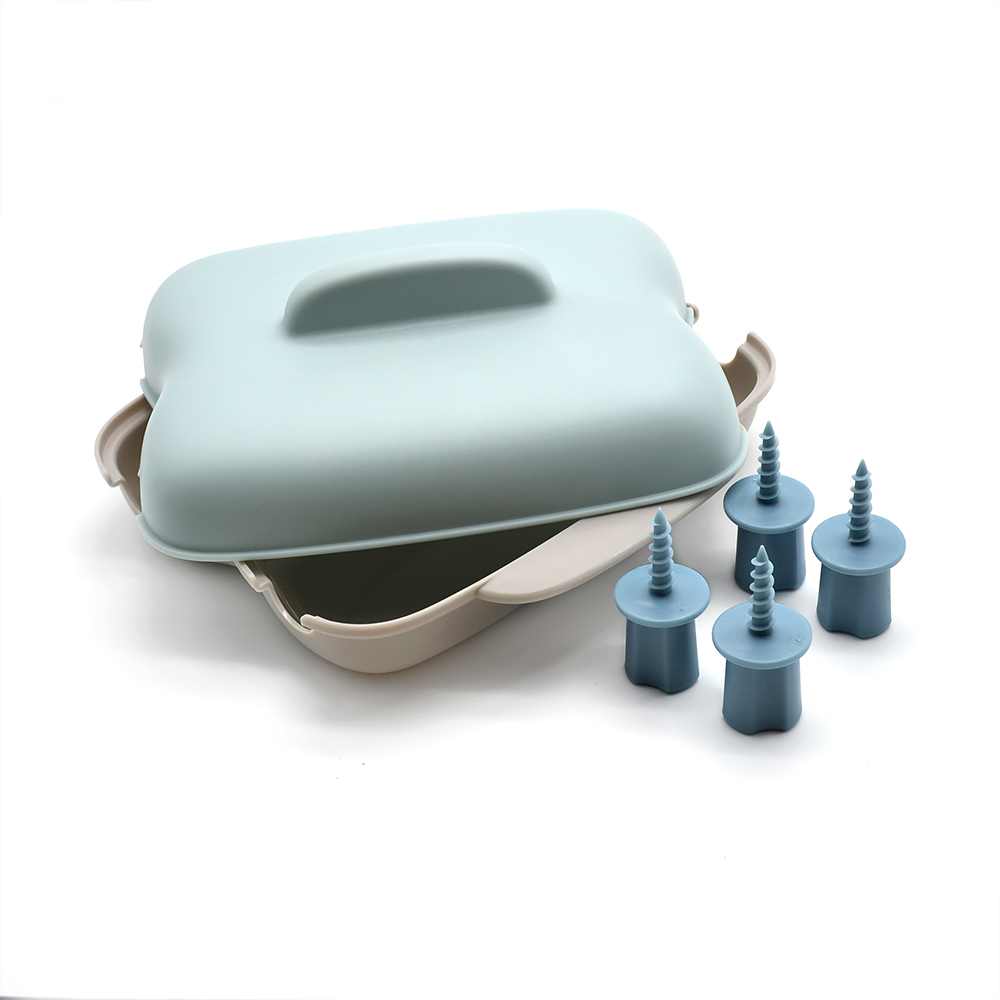
Cooking is only one part of corn service. After corn leaves the cooker, staff still need to transfer, hold, season, and present it safely. The Corn Server Kit mentioned in the original article is positioned as a multifunctional accessory set. Its dual-function corn tray is described as being made from food-grade materials, and the silicone corn holders are designed to protect hands from heat during handling. The kit may also include salt and pepper grinders for seasoning at the table or serving station.
For caterers, BBQ events, family-style service, or retail sampling, such accessories can help organize the serving process. Buyers should still confirm the exact set contents, dimensions, cleaning method, temperature tolerance, packaging, and whether the materials meet the requirements of their market. If the kit is being sourced for wholesale or promotional use, also ask about branding options, carton quantities, and sample approval.
Maintenance, Cleaning, and Use Considerations
Commercial corn cookers should be selected with cleaning labor in mind. Corn starch, salt, butter, and seasoning residue can build up on surrounding surfaces, while water-based cooking equipment may require descaling depending on local water quality. A good supplier should provide a practical cleaning guide that staff can follow at the end of each shift.
- Confirm whether the cooker must be cooled before draining or cleaning.
- Check which parts can be removed without tools.
- Ask what cleaning agents are recommended or prohibited.
- Review how often seals, valves, baskets, or heating elements should be inspected.
- Train staff on safe handling of steam, hot water, trays, and corn holders.
Accessories also need care instructions. Silicone corn holders, trays, and grinders should be cleaned according to the supplier’s recommendations. If the products will be used in a commercial environment, confirm whether they are suitable for the intended washing method and frequency.
Practical FAQ
What is the difference between a corn cooker and a corn server kit?
A corn cooker prepares corn by boiling or steaming. A corn server kit is used after cooking for holding, serving, handling, or seasoning corn.
Should I choose boiling or steaming equipment?
It depends on your menu, batch size, texture preference, service speed, and utilities. Ask the supplier for cooking cycle information and test results for your use case if available.
What should wholesale buyers ask before placing an order?
Ask about MOQ, lead time, packaging, sample availability, customization options, warranty, spare parts, payment terms, and shipping documentation.
Can I assume a product is certified for my market?
No. Always request current compliance documents or test reports that match your destination market and product category.
Are corn holders useful in commercial service?
They can be useful where hot corn is handled by staff or guests. The silicone corn holders described in the Corn Server Kit are intended to help protect hands from heat, but buyers should confirm heat tolerance and care instructions.
