




Top Egg Poacher Manufacturer: Quality & Innovation
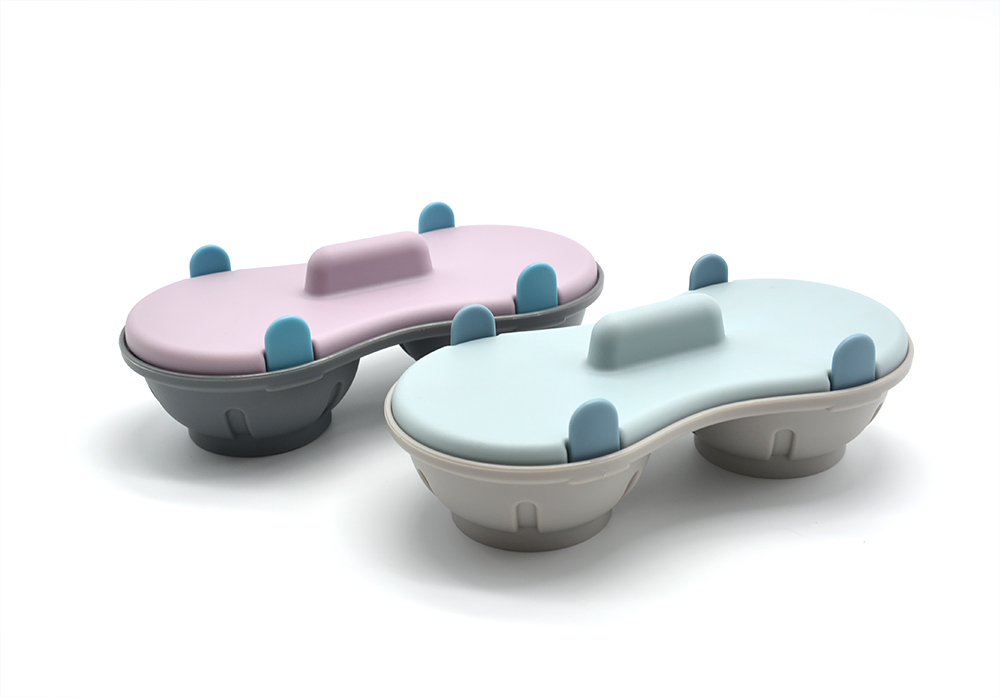
Choosing an egg poacher manufacturer is not only about finding a kitchen tool that looks good in a catalog. For retailers, importers, promotional buyers, and kitchenware distributors, the more important question is whether the product is easy to understand, practical for end users, consistent in appearance, and supported by clear supplier communication. The original product described here is a dual egg poacher with a lid, two contoured poaching cups in a calming blue hue, slits for water flow, a neutral-tone base, and a matching lid intended to help retain heat and speed up cooking.
This guide rewrites the original product introduction into a more useful sourcing article. It explains what buyers should look for, which details should be confirmed before wholesale purchasing, and how to evaluate the product from both a business and consumer-use perspective. It does not assume unverified specifications, certifications, prices, minimum order quantities, or performance results. Those are details every buyer should request directly from the supplier.
Key Takeaways
- A dual egg poacher with lid can be a practical item for breakfast, brunch, and everyday kitchenware assortments.
- Buyers should confirm materials, dimensions, heat-source compatibility, packaging, and care instructions before placing an order.
- Visible design details, such as cup shape, drainage slits, base color, and lid fit, matter because they affect usability and customer perception.
- Wholesale sourcing should include sample review, packaging checks, labeling review, and written commercial terms.
- A reliable egg poacher supplier should answer technical and ordering questions clearly rather than relying only on general quality claims.
Understanding the Dual Egg Poacher Design
The article source describes a dual egg poacher with two contoured poaching cups and a matching lid. For consumers, the two-cup format is useful because it supports small breakfasts without requiring multiple pans or complicated preparation. For retailers, the format is easy to explain: it is a compact tool for preparing poached eggs with more structure and less guesswork than free-form poaching in a pot.
The blue poaching cups create a clear visual identity, while the neutral base is intended to blend with modern kitchen settings. Color may seem like a minor detail, but it can influence shelf appeal, online product photos, and customer expectations. Buyers should ask whether colors are standard or customizable, whether color consistency is controlled between batches, and whether the finish can withstand normal use and cleaning.
Product Features Buyers Should Verify
The original content mentions slits in the cups for water flow and even heat distribution, as well as a lid designed to retain heat and speed up cooking. These are useful design ideas, but wholesale buyers should still verify how the product performs in real use. A sample test can show whether the cups sit securely, whether the lid fits well, whether the poached eggs release cleanly, and whether the parts are easy to rinse after cooking.
| Feature to Check | Why It Matters | Question to Ask the Supplier |
|---|---|---|
| Two contoured cups | Supports consistent egg shape and simple portioning | What are the cup dimensions and capacity? |
| Slits for water flow | May support circulation during cooking | How should users position and fill the poacher for best results? |
| Matching lid | Helps contain heat during cooking | What is the lid material and how should it be cleaned? |
| Neutral-tone base | Improves visual compatibility with many kitchens | Are other colors available for wholesale or OEM orders? |
| Packaging and instructions | Reduces returns and improves user confidence | Can instructions, labels, and packaging be reviewed before production? |
How to Evaluate an Egg Poacher Manufacturer
When sourcing from an egg poacher manufacturer, buyers need more than a short product description. Start by requesting a current product sheet with confirmed materials, measurements, product weight, carton details, care guidance, and available packaging options. If the supplier offers OEM or private-label support, ask what can be customized and what requires additional tooling, artwork approval, or longer lead time.
It is also important to confirm the supplier's process for samples and pre-shipment review. A sample should be checked for fit, finish, stability, lid alignment, cup shape, and ease of cleaning. If your market requires specific labeling, warnings, or documentation, ask the supplier what information they can provide and what must be arranged through your own compliance process. Avoid assuming that a kitchenware item automatically meets your local requirements.
Wholesale Sourcing Checklist
For egg poacher wholesale purchasing, a simple checklist helps prevent misunderstandings. Use it before confirming artwork, packaging, or bulk production.
- Request a physical sample and test it with ordinary eggs, water levels, and cooking times.
- Confirm product dimensions, materials, color, packaging style, and carton information in writing.
- Ask whether the product is intended for specific cooktops, pans, microwaves, dishwashers, or hand washing only.
- Review user instructions for clarity, especially first-use guidance, cleaning steps, and safety notes.
- Confirm commercial terms such as MOQ, lead time, payment terms, sample cost, and shipping method directly with the supplier.
- Check whether replacement parts, spare lids, or packaging revisions are available if needed for your sales channel.
Use Cases for Retailers and End Users
A dual egg poacher is most relevant to customers who want a manageable way to prepare poached eggs at home. It can appeal to busy families, brunch hosts, small households, and customers who prefer portion-controlled breakfast tools. The two-cup design also makes it suitable for small kitchens where storage space matters.
For retailers, this type of product can fit into breakfast accessories, cookware add-ons, housewarming assortments, and seasonal brunch promotions. However, the listing should be accurate and practical. Instead of vague claims, product pages should explain what is included, how many eggs it holds, how it is used, and what care steps are recommended. Clear content helps customers decide whether the product matches their cooking habits.
Questions to Ask Before Placing an Order
Before choosing an egg poacher supplier, buyers should prepare questions that separate confirmed product facts from marketing language. Ask what materials are used for each component, whether the lid and cups are sold as a complete set, and what temperature or use limitations apply. If the supplier describes the product as durable or easy to maintain, request care instructions and sample-based evidence rather than relying on a general claim.
For B2B orders, also ask about packaging artwork files, barcode placement, inner box options, carton marks, inspection arrangements, and how defects are handled. If the order is for a marketplace or chain retailer, confirm whether the supplier can support the documentation and packaging format your channel requires. These conversations should happen early, not after production has started.
Practical FAQ
What makes a dual egg poacher useful?
A dual egg poacher allows users to prepare two eggs at once in shaped cups. This can make breakfast preparation more predictable than dropping eggs directly into simmering water.
Can I assume the poacher works on every heat source?
No. Heat-source compatibility should be confirmed with the supplier. Buyers should ask for written use instructions before selling the product in a specific market.
What should I check in a sample?
Check the cup shape, lid fit, stability, finish, ease of egg release, cleaning process, and whether the instructions are clear enough for first-time users.
Is this product suitable for wholesale or private label?
It may be suitable, but buyers should confirm MOQ, customization options, packaging choices, lead time, and any added costs directly with the supplier.
What should product listings avoid?
Avoid unverified claims about materials, certifications, cooking performance, or durability. Use confirmed facts, practical instructions, and clear photos instead.
Final Sourcing Perspective
An egg poacher manufacturer can be a valuable partner when the product design is clear, samples match expectations, and communication is specific. The dual egg poacher described in the source has several straightforward selling points: two contoured blue cups, slits for water flow, a neutral base, and a matching lid. To turn those details into a successful wholesale item, buyers should verify the technical information, review samples carefully, and document all commercial terms before ordering.
The best sourcing decision is not based on a single promise of quality or innovation. It comes from asking practical questions, testing the product as a real user would, and confirming that the supplier can support your sales channel with accurate information and consistent presentation.
