




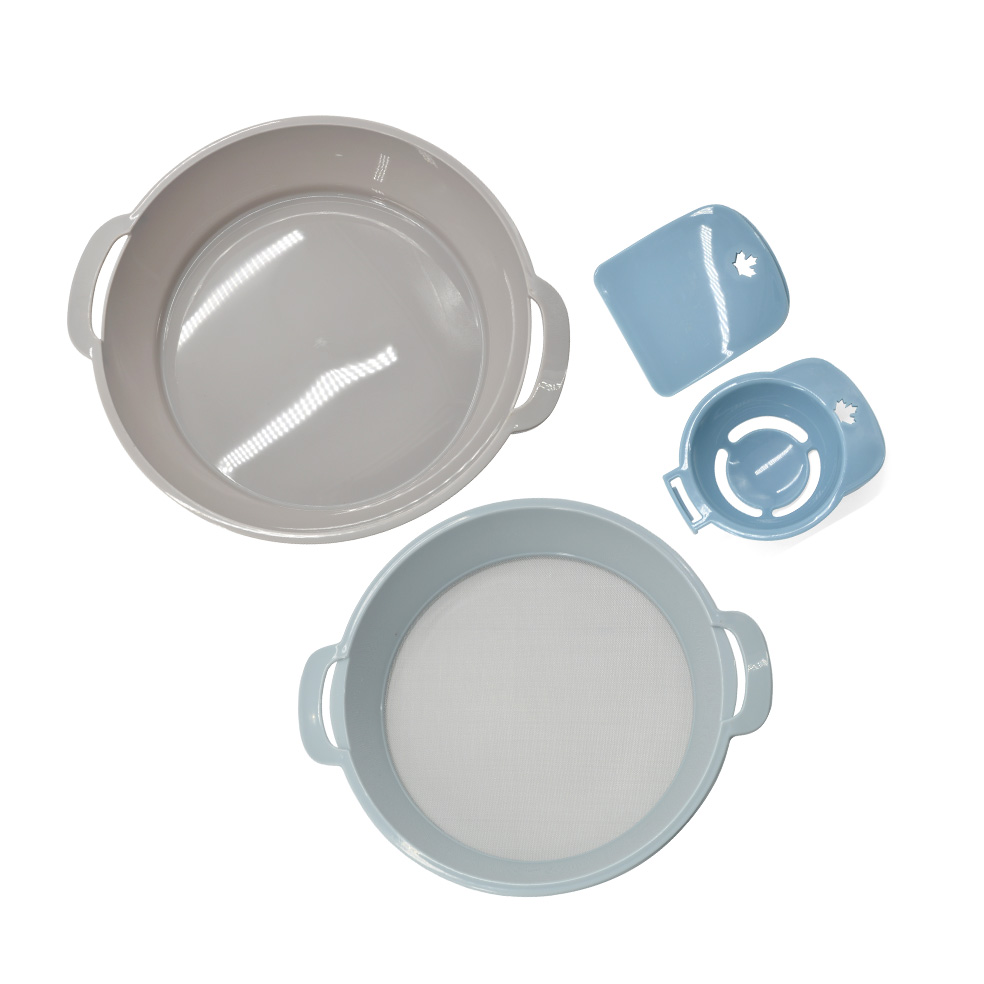
Top Flour Sifter Factory for High-Quality Baking Tools
Finding the right flour sifter factory is not only about choosing a product that looks suitable in a catalog. For wholesalers, importers, kitchenware brands, and bakery equipment buyers, the sourcing decision should connect product performance, packaging, consistency, lead-time communication, and after-sales support. A flour sifter may seem simple, but small differences in mesh construction, handle feel, finish, assembly, and carton protection can affect customer satisfaction and repeat orders.
The original topic highlights three important ideas: identifying a suitable factory, understanding China flour sifter manufacturer options, and working with a flour sifting machine supplier. This rewritten guide expands those points into a practical B2B checklist so buyers can evaluate suppliers with fewer assumptions and clearer questions.
Why the Right Flour Sifter Factory Matters
Flour sifters are used to aerate flour, break up clumps, and help dry ingredients mix more evenly. In retail kitchenware, bakeries, and food-service environments, a poorly made sifter can create complaints such as rough edges, weak handles, inconsistent mesh, jamming mechanisms, or difficult cleaning. A dependable factory should be able to explain how it controls basic production quality and how it handles buyer requirements before mass production begins.
For B2B buyers, the factory relationship is especially important because the same item may be reordered over multiple seasons. If a supplier changes materials, packaging, surface finish, or assembly details without approval, the buyer may face inconsistent inventory. This is why sourcing should focus on repeatability as much as price.
China Flour Sifter Manufacturer Insights
China is home to many manufacturers and exporters of kitchen tools, including flour sifters and related baking accessories. The market is broad, which can be an advantage for buyers who need different price levels, packaging formats, or OEM options. However, a broad market also means supplier capabilities can vary. Some companies may be factories, some may be trading companies, and some may combine both roles.
Instead of assuming that every China flour sifter manufacturer offers the same capability, ask targeted questions. Can the supplier provide current product photos and pre-shipment inspection images? Can they explain available sizes, handle styles, mesh types, packaging choices, and carton dimensions? Are changes to branding, color, labels, or instruction sheets possible? If compliance documents or test reports are required for your market, ask what can be provided and whether the documents match the exact product you plan to order.
How to Evaluate a Flour Sifting Machine Supplier
The phrase flour sifting machine supplier can refer to different product categories. Some buyers use it for hand-operated kitchen flour sifters, while others mean larger sifting equipment used in bakeries or food production. Before contacting suppliers, define the intended use clearly. A home baking tool, a retail baking accessory, and a commercial flour screening machine require different evaluation standards.
For kitchenware sourcing, focus on product handling, durability, finish, and packaging. For industrial or bakery equipment, ask about operating capacity, cleaning access, safety features, spare parts, installation requirements, and maintenance instructions. Do not rely on a product name alone. Share your target user, sales channel, expected packaging, and quality expectations so the supplier can recommend a suitable option.
Comparison Checklist for Supplier Selection
Use a structured comparison table when reviewing multiple suppliers. This helps purchasing teams avoid choosing only by unit price and makes it easier to explain decisions internally.
| Evaluation Point | What to Check | Questions to Ask the Supplier |
|---|---|---|
| Product fit | Size, handle type, mesh, finish, and intended use | Which models are best for retail, bakery, or wholesale channels? |
| Sample quality | Assembly, smooth edges, operation, cleaning ease | Can you provide samples before bulk production? |
| OEM options | Logo, packaging, color, labeling, instruction sheets | What customization options are available, and what are the requirements? |
| Quality control | Inspection process, defect handling, consistency | What checks are performed before shipment? |
| Commercial terms | MOQ, lead time, payment terms, packing method | What are the current order requirements and production schedule? |
| Documentation | Market-specific documents if required | Can you provide relevant documents for the exact ordered item? |
Key Product Details to Confirm Before Ordering
A flour sifter is a functional tool, so buyers should confirm the details that influence actual use. Avoid vague descriptions such as “good quality” or “durable” unless the supplier can define what that means in measurable terms. If a material grade, surface treatment, or feature matters to your market, ask the supplier to confirm it in writing and include it in the purchase order or specification sheet.
- Confirm the product size and usable capacity, not only the outer dimensions.
- Check whether the sifting mechanism operates smoothly and returns properly.
- Review mesh consistency and whether it suits the type of flour or dry ingredients your customers commonly use.
- Inspect edges, seams, handles, and any moving parts for comfort and safety in normal use.
- Ask how the product should be cleaned and whether the supplier provides care instructions.
- Verify inner packaging, carton strength, barcode placement, and labeling requirements.
- Request written approval samples for OEM packaging or branded versions.
OEM and Wholesale Buying Guidance
For OEM or wholesale projects, communication should start with a clear product brief. Include target market, estimated annual volume, preferred packaging type, logo requirements, and any retail compliance needs. If you are comparing several factories, send the same brief to each one. This makes quotations easier to compare and reduces misunderstandings.
Buyers should also ask how changes are managed. For example, if a factory suggests a different mesh, handle, package, or carton arrangement, the change should be reviewed and approved before production. For repeat orders, request confirmation that the same specification will be used unless both sides agree otherwise.
Sampling is important. A single sample cannot guarantee every unit in a bulk shipment, but it helps confirm the basic design, appearance, and usability. If possible, test the sample with flour or dry ingredients similar to your intended user scenario. Check whether the tool feels comfortable, whether the mesh releases flour evenly, and whether cleaning is practical.
Common Sourcing Mistakes to Avoid
One common mistake is comparing suppliers only by the lowest quoted price. A lower price may reflect simpler packaging, different materials, reduced inspection, or a product that does not match your sales channel. Another mistake is not defining the target buyer. A sifter suitable for occasional home baking may not be appropriate for a professional bakery or food-service environment.
Buyers should also avoid assuming that catalog images represent final production exactly. Ask for current photos, videos if useful, and production sample confirmation. If the order is customized, approve artwork, color, layout, and packaging text carefully. Small errors in labeling or carton marks can create delays at the receiving warehouse.
Key Takeaways
- A good flour sifter factory should offer clear communication, consistent samples, and practical quality control answers.
- China offers many manufacturer options, but buyers should verify whether a supplier fits their exact product and channel needs.
- For OEM and wholesale sourcing, define specifications, packaging, inspection expectations, and documentation requirements before ordering.
- Samples and written approvals reduce risk, especially for branded or repeat orders.
Practical FAQ
What should I ask a flour sifter factory first?
Start with product range, available models, sample options, customization choices, packaging methods, MOQ, lead time, and quality control steps. If you need documents for your market, ask whether they apply to the exact item you are sourcing.
Is a trading company always worse than a factory?
No. A trading company may provide useful sourcing coordination, communication, and product variety. However, you should understand who controls production, how quality is checked, and who is responsible if specifications are not met.
How do I compare two similar flour sifters?
Compare operation smoothness, mesh consistency, handle comfort, edge finishing, weight, packaging protection, carton details, and cleaning convenience. Price should be reviewed together with these factors.
Can I request OEM packaging for wholesale orders?
Many suppliers may offer OEM packaging, but requirements vary. Ask about artwork format, approval samples, packaging materials, labeling, carton marks, MOQ, and any extra cost before confirming the order.
What if I need a commercial flour sifting machine instead of a hand tool?
Clarify capacity, power requirements, cleaning process, spare parts, maintenance, safety features, and installation needs. Commercial equipment requires a more technical review than a handheld kitchen sifter.
